Our beauty team hails these the 9 best hair masks for every hair type, concern and budget
From dull, dry strands to damaged, colour-treated tresses, these hair treatments do a stellar job at reviving and nourishing


Serving us in our hair's time of need (AKA when our tresses are seeking some well-deserved TLC), the best hair masks are one of the most under-rated steps in our haircare routine. These intense formulas can fix damage, infuse deep moisture, smooth frizz and boost curl definition and bounce.
While shampoo and conditioner that's formulated for your specific hair type, such as the best shampoos for fine hair, are the central pillar of your haircare routine, at times our strands need extra nourishment and care. That's where hair masks come in: trusted allies that work to revive damaged, weak and dehydrated locks. We throw a lot at our hair, be it from heat styling, bleaching or day-to-day mechanical stress, so it's only right that we treat it every now and then. As Kérastase hairstylist and founder of salon Fowler35, Darren Fowler puts it, “The best hair masks are like a spa day for your hair."
Masks and treatments pose many benefits that will supercharge the health of your hair, "They provide a more concentrated treatment, targeting issues like frizz, damage, and lacklustre appearance," Fowler continues. "Think of conditioners as daily vitamins, and hair masks as a luxurious retreat." So, we've done our duty as a beauty team and tested dozens on the market to refine this list of the very best formulas to suit every hair type, concern and budget.
The best hair mask deals
These deals were last checked on 16/09/26 and we will continue to do so to ensure that all of the products below are still in stock, still discounted and, most importantly, are the very best deals around at the moment.
Our top three hair masks for every hair type
For masks that will nourish, hydrate, soften and smooth all hair types, these are our top three tried and tested formulas that are worthy of a spot in any haircare routine.

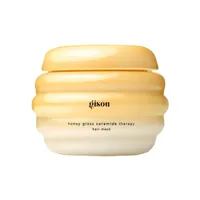
RRP: £42 for 230ml | Hair types: All | Benefits: Hydrates, strengthens, smooths for a glossy finish | Key ingredients: Mirsalehi honey, bee garden oils, biomimetic ceramides, hyaluronic acid
Tested by: Sennen Prickett
While the honey-hued, beehive-shaped pot is gorgeous, the real gem of the Gisou Honey Gloss Ceramide Therapy Hair Mask is the formula that's housed inside. We loved that it's indulgently thick, with a stunning wildflower honey scent, gliding across strands and immediately getting to work.
I found that it detangled my knotty strands instantly, leaving my hair noticeably smoother, sleeker and with an enviable mirror-like shine – which is a must for those wanting to hop on the healthy hair trend. As someone with fine hair, I chose to apply it once a week in place of my go-to conditioner to avoid weighing my strands down. However, it was also gentle enough that if I wanted to use it more frequently, I could.

RRP: £30 for 212ml | Hair types: All, especially dry | Benefits: Restores moistures, smooths frizz | Key ingredients: Coconut, fig extract, shea butter, argan oil
Tested by: Annie Milroy, Stephanie Maylor
This award-winning mask is a solid all-rounder. Its ultra-nourishing combination of coconut and shea butter makes it a great option for curly and natural hairstyles, as it's harder for natural oils to make their way down these hair patterns. This beautifully scented, buttery mask is ideal to absorb deep into the hair shaft to hydrate and soften thirstier or coarser hair types.
Sit back for 10 minutes and then comb it through; it gives the slip you need to detangle curls. When you rinse it off, you'll be rewarded with smooth and defined hair that's less prone to breakage. This brand is also 100% vegan, so if you're already using the best vegan shampoo and conditioner for your hair type and want to supercharge it with a mask, this would be a great choice.

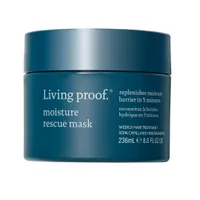
RRP: £36 for 236ml | Hair types: All | Benefits: Intensely nourishes and smooths | Key ingredients: Hemisqualane, biomimetic emollient blend, amino acid blend, meadowfoam seed oil, cupuaçu butter
Tested by: Sennen Prickett, Lucy Abbersteen
If you read my Full Shampoo and Conditioner recommendation, you'll know that it's no secret that I'm a big Living Proof fan, so I had high expectations for the launch of their new Moisture Rescue Mask. Unsurprisingly, it impressed me upon first use and has continued to become one of my most frequently reached-for products with every use.
This mask transformed brittle, lifeless hair into bouncy, silky-soft tresses in just one use, leaving my hair feeling hydrated, sleek and with the healthiest-looking shine. Not to mention it also kept frizz and flyaways at the crown of my head at bay. It's the hair mask that resembles the feeling of having just stepped out of the salon, post-blow dry. But its results become even more impressive when you take into account that the mask only requires to be left on for five minutes to work, meaning no hanging about before rinsing your strands. Meanwhile our contributing beauty editor Lucy loves its gel-like texture that deeply nourishes her naturally dry and curly hair, fast. If you usually feel too time poor to bother with hair masks, this is the one for you.
The best hair masks for every hair type and concern, reviewed by our experts

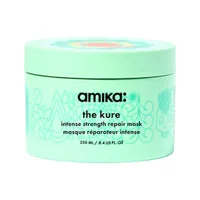
RRP: £36 for 250ml | Hair types: Brittle, dehydrated | Benefits: Boosts elasticity, hydrates, strengthens | Key ingredients: Sea buckthorn, omega-7, bond fortifying technology, borage oil, shea butter, mango butter
Tested by: Sennen Prickett
Particularly ideal for those with brittle, dehydrated strands that need an elasticity boost, Amika's The Kure hair mask boasts a rich, nourishing and intensely hydrating formula. Its thicker texture is similar to one of the best face moisturisers with a silky, velvety feel, meaning you don't need a lot to thoroughly coat each strand of hair.
As for its results, it does a quality job at noticeably hydrating and smoothing the hair, as well as helping to effortlessly detangle the hair. After consistently using this hair mask, my once knotty, straw-like strands changed into soft, glossy tresses with an overall healthier appearance. What's more, it only needs 5–10 minutes to get to work on your strands, which is on the lesser side of most hair masks, time-wise.

RRP: £39.50 for 215ml | Hair types: Dull, damaged, frizz-prone | Benefits: Resurfaces, repairs, smooths | Key ingredients: Humidity blocker, heat protection
Tested by: Sennen Prickett, Stephanie Maylor, Aleesha Badkar
If you haven't already got up to speed with our full review of the Color Wow Dreaming Treatment, four members of our beauty team tried this formula to rave review. This mask made a noticeable difference on a mixture of hair types, from damaged to frizz-prone. As for the latter, we noted how our hair was left looking sleek and silky. It also performed well on our curly-haired team members, who reported back that their curls were left defined and springy after just one use of this mask.
That said, we would say that its rich texture might mean it's too heavy for very fine, flatter hair types, but if your strands are damaged or on the thicker and coarser side, this will be an effective treatment. We also absolutely have to call out the longevity of this hair mask, with the results lasting through up to three washes.

RRP: £30 for 200ml | Hair type: Thinning hair prone to excess shedding | Benefits: Bond-building technology, strengthen, restore | Key ingredients: Argan oil, coconut water, avocado oil
Tested by: Sennen Prickett
Known and loved for their growth-boosting eyelash serums, it was only a matter of time before UKLash entered the hair mask market – and so came the UKHair Repair Mask. Utilising bond-building technology, this formula is a deep conditioning treatment that helps strengthen and restore the Keratin bonds in the hair follicle, yet still has a lightweight, lotion-like texture.
With just one use a week, this powerful leaves hair stronger, smoother and looking healthier, encouraging the optimum environment for hair growth. We also have to hail its tropical coconut scent that reminds me of a beach-side surf shop – niche reference, but every bit gorgeous.

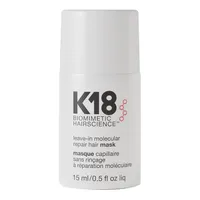
RRP: £70 for 50ml | Hair type: Damaged, broken and colour-treated hair | Benefits: Re-connects broken keratin chains to reverse damage and restore strength, softness, smoothness, and bounce | Key ingredients: K18PEPTIDE™
Tested by: Fiona McKim
If you've done any research on hair masks, no doubt you will have come across the K18 Leave-In Molecular Repair Hair Mask. It's no understatement when I say this formula is unlike any other hair mask on the market, as evidenced by our glowing K18 hair mask review. Beginning with one pump (and adding more if needed), you simply apply it to towel-dried hair and leave it in, no rinsing required.
As for results, the immediate effects made my hair felt more elastic and less prone to breakage. But it's all about the long game with this hair mask, using it every four to six washes to see results. After roughly four uses, I noticed a nice, gradual improvement in the texture and strength of my highlighted hair, contributing to a less straggly and piece-y overall appearance. It's worth noting that I do usually detect a tiny bit of residue through the finest parts of my hair, such as at the back of my crown. So, if you have fine hair too I'd advise using it on days when you don't need your hair to feel 100% freshly washed and fluffy.

RRP: £30.50 for 250ml | Hair types: Curly | Benefits: Enhances curl patterns, maintains moisture | Key ingredients: Glycerin, urea, hibiscus seed extract
Tested by: Annie Milroy, Stephanie Maylor
Curly hairstyles and textures need more moisture than straighter hair types, due to their structure and the natural dryness that results from their shape. Luckily, the hair industry has come a long way in ensuring that every hair type is catered for and masks like this one are specifically designed with bounce, definition and hydration in mind.
L'Oréal Professionnel Curl Expression Curl Mask has a unique texture that effortlessly melts into curls and delivers a massive dose of much-needed moisture. This is one of the best hair masks for curly hair we've tried for a long time – it has a light, almost yoghurt-like texture which means it's really nourishing but won't weigh finer curls down. No matter what dire straits our bleach-blitzed curls are in, this immediately leaves them looking smoother, more defined and bouncy.

RRP: £8.99 for 400ml | Hair types: Dull | Designed to: Smooths | Key ingredients: Pineapple, amla, vitamins C, E & F, shea butter
Tested by: Annie Milroy, Stephanie Maylor
On a healthy length of hair, the cuticle scales lie flat and smooth. Damaged hair, however, has lifted cuticles, which means moisture can seep in and result in frizz. Cue this huge tub of goodness. The jumbo-sized carton is incredibly pleasing – especially considering the price. Really, we were already impressed even before use. It's really hard to fault; not only does it smell like your favourite holiday destination but the product delivers incredible results too.
Working hard to deeply nourish, boost radiance, add shine and reduce frizz, this left my hair looking like it had had a professional salon treatment. I noticed fewer flyaways and my hair was much easier to style, with a silky and glossy finish. This formula also contains amla, a nutrient-rich fruit native to South East Asia that's packed full of vitamin C and antioxidants, making it a popular ingredient in haircare. It’s recognised for strengthening strands, promoting hair growth, minimising hair fall and boosting shine. For how to get shiny hair in a cost-effective and convenient way, this could well be one of the best hair masks for you.
How we tested the best hair masks

Each of the best hair masks in this list has been tested by at least one member of the W&H beauty team. All of us have different hair types and concerns, ranging from curly, fine, thick and colour-treated.
Each of the hair masks that made it into the final guide was tested more than once to ensure that we reach a fair conclusion based on our results. We wanted to test a range of hair masks, varying in benefits, price, brand and type to make sure we provided a balanced and unbiased opinion.
Every element of the formula and its packaging was assessed, from user experience to technology and effects, while the price was taken into account to ensure it was worth the investment for the results.
How to choose the best hair mask for you
“Look for clinically proven results that actually deliver based on your hair needs," advises celebrity hairstylist Sam McKnight MBE. "Your hair might be in dire need of moisture so look for a treatment that promises to hydrate. Whereas if you’re suffering from breakage and damaged lengths reach for the treatment that will strengthen and repair."
McKnight continues: “A good formulation is all about the balance of different ingredients, their active levels and how those work in synergy together, it’s never as simple as just looking for certain ingredients.”
You can figure out what your hair needs by understanding your hair's key characteristics.
- Fine hair = volumising mask
- Brittle, colour-treated hair = hydrating or colour-boosting mask
- Broken/ damaged/ split ends = bond building/ strengthening mask
- Curls and coils = curl-enhancing mask
- Thinning hair = growth supporting mask
- Frizzy strands = smoothing mask
Your best hair mask FAQs, answered
What's the best way to apply a hair mask?
For those wondering what the best way to apply a hair mask is, fortunately McKnight has given us step-by-step guidelines on how to effectively apply the formulas.
- "To begin double cleanse your hair, the first shampoo will remove product, pollution or sebum buildup and the second will deliver the benefits of your shampoo leaving it ready for your mask.
- Gently squeeze out excess water from your hair, if your hair is too wet the mask will not apply well or evenly.
- Apply your treatment mask to your mid-lengths and ends. Focus on the hair that needs the most attention, which means for most of us gather your hair into a mid-ponytail and apply throughout.
- With any leftovers apply to any shorter layers framing the face.
- Leave for the recommended amount of time - read the treatment guidelines to get the most out of your mask. Some need longer than others, and some are a pre-shampoo treatment.
- For a hydration boost pop a shower cap over your treatment. Moist heat can help your mask penetrate the cuticle and trapping the steam within is an easy hair hack.
- Rinse thoroughly with lukewarm or cool water. Never hot or cold. Hot will strip the moisture from your hair and too cold won't allow for hair to be rinsed thoroughly. Once the mask is rinsed well you can always to a cold shot of water then.
How are the hair masks different to conditioners?
Whilst seemingly very similar, it's worth noting that conditioners and hair masks aren't the same – and, importantly, you don't need to use both. McKnight breaks down the main differences for us: “Conditioners are for your regular cleansing routine for hydration and manageability, whereas masks and treatments have been formulated with concentrated and innovative ingredients to deliver results."
"Conditioners coat your hair’s cuticle to smooth, soften and lock in moisture, reducing frizz and detangling, while treatments work by penetrating the cuticle to strengthen, hydrate and repair hair from the inside out,” McKnight explains.
He continues, “You shouldn’t need to use both a mask and a conditioner. A treatment mask should hydrate and nourish your hair enough. If your hair is extremely coarse or frizzy, or your treatment isn’t nourishing enough for your hair needs you can use a conditioner after your mask," he reveals.
Are hair masks essential in a hair routine?
While you don't need to add a hair mask into your routine if you feel like your hair is healthy, it definitely won't hurt as it will only benefit your strands. "Incorporating a hair mask into your routine can work wonders, especially if you struggle with dryness, split ends, density or chemical damage," says Fowler. "Regular use can help revive your hairs natural vibrancy and restore its strength."
McKnight echos this advice. "Treatment masks aren’t just for those whose hair needs extra moisture, repair or strengthening. It's also to keep your hair in optimum condition to prevent damage or dehydration resulting in shine, healthy strands and easy-to-manage hair."
Should you apply a hair mask to your roots?
Unless your hair is particularly dry or porous, avoid applying your conditioner or your treatment masks to your roots unless it is designed to be both a scalp and hair treatment. Doing so can make them greasy, even if you wash them out well. Apply your best hair masks from the crown of your head downwards, paying special attention to the ends.
"Avoid the roots unless your hair actively needs repairing or hydration there. The majority of people do not and it can make your hair flat as over moisturising this area can leave roots lank and result in roots getting greasy quicker," McKnight advises. "Look at your roots in comparison to the rest of your hair. Is there breakage or damage, are they very dry in need of moisture? Are your roots very frizzy and coarse?"
Our expert panel

Annie Milroy is Beauty Writer for woman&home and other women's lifestyle publications as Future. After eight years working in the fashion & beauty industry, she's left the fashion world behind and now writes about everything from lightweight foundations, her favourite perfumes, to natural-looking fake tans – plus many a haircare product.

Sennen is Digital Beauty Writer at woman&home, where she shares the latest beauty launches, trending buys and personal product recommendations, from makeup and hair to skincare and nails.

Darren Fowler is an extremely experienced hair stylist, Global Ambassador for Kérastase and founder of London-based salon Fowler35. He splits his time between editorial, film and TV work.

Sam McKnight MBE is a legendary hairstylist who has worked with the likes of Princess Diana and Kate Moss. He is also the founder of his eponymous styling line, Hair by Sam McKnight.