It's considered the gold standard for brightening but a vitamin C serum can be bad for skin under certain circumstances. True, vitamin C is a skincare heavyweight. Its antioxidant powers protect against skin-damaging free radicals; it can boost collagen production and it can help brighten patches of uneven pigmentation on the face. But its genius is equally overshadowed by its instability.
First, if you've ever used a serum and noticed the colour has deepened and the smell is more pungent, this is likely the result of exposure to air or sunlight. Neither are friends to vitamin C as they cause it to oxidise and degrade the formula.
Oxidised vitamin C won't do as much for your skin as the potency will be affected. Very rarely oxidised vitamin C can cause a slight yellow discolouration on the skin. So if in doubt, toss it.
More from woman&home:
- Best mascara – lengthen, define and volumise your lashes with our favourite formulas
- Best eye cream: our favourite formulas for every skin type
- Best foundation: Our favourite formulas for all skin types
Is vitamin C suitable for sensitive skin?
Not all vitamin C is created equal and some can causing a stinging sensation on sensitive skin types.
Rather than flood skin with a high concentration of vitamin C, aesthetician Dr Barbra Sturm, whose clients include Hailey Bieber, believes that high concentrations of vitamin C (some serums contain vitamin C at as high a concentration as 20%) can potentially "damage the protective skin barrier function or cause sensitivity."
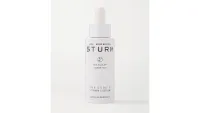
To that end, Sturm's new The Good C Vitamin C Serum contains three different forms of stable vitamin C, including Kakadu plum, a potent fruit source, at a concentration of 5% - the sweet spot, she believes, to brighten, improve the look of hyper pigmentation and boost collagen production.
Can you use vitamin C and retinol together?
Lastly, "vitamin A is the perfect complement to vitamin C but only when used separately as a day and night system," says Dr Tom Mammone, vice president of skin physiology and pharmacology for Clinique. They work best in different skin environments so using them at the same time cancels out their effects and can leave irritation in its wake.
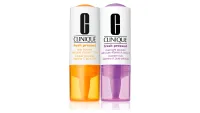
As a rule of thumb, apply a vitamin C serum in the morning underneath your sunscreen as it will help to boost your SPF's protective powers. Then stick to using retinol at night. This is even easier to remember with the Clinique Freshly Pressed Duo - a Daily Booster with Pure Vitamin C and Overnight Booster with Pure Vitamin A.
Follow the above and your skin is guaranteed to stay on the sunny side of vitamin C's brightening powers.