How to get 10,000 steps in without leaving the house - in just 7 easy activities
You don't have to give up your step streak on a busy day (or a lazy one) at home, as you can get 10,000 steps in without leaving the house


We all enjoy the fresh air and being outdoors. The fresh air, greenery, and potential for a hint of sunshine are too good to miss, even in the winter months, and there are so many benefits for body and mind to getting outside.
Yet, the seasonal slump in December and January often comes with colder and rainier days, and we'd understandably rather stay inside. Luckily, pulling on your best walking shoes and heading out into the garden or marching up and down the steps will still do your cardiovascular health and fitness good.
Unsure where to begin? With the boom in home workouts and 'exercise snacks', we've thought of more ways to get 10,000 steps in without leaving the house, so we spoke to a cardio specialist and a PT to reveal the best ways to do it.
How to get 10,000 steps in without leaving the house
1. Indoor walking workouts
YouTube and the best walking apps are full of workouts that'll get you clocking up thousands of steps before you've even realised it. Many also include bodyweight exercises, such as squats and lunges, which add another dimension to your workout routine.
"You can go from desk to workout in less than a minute and clock up plenty of steps in your living room," says Emma Simarro, a personal trainer and the founder of Building Body Confidence. "With a variety of walking exercises and intensities, these can tick lots of boxes."
Here's our favourites to try:
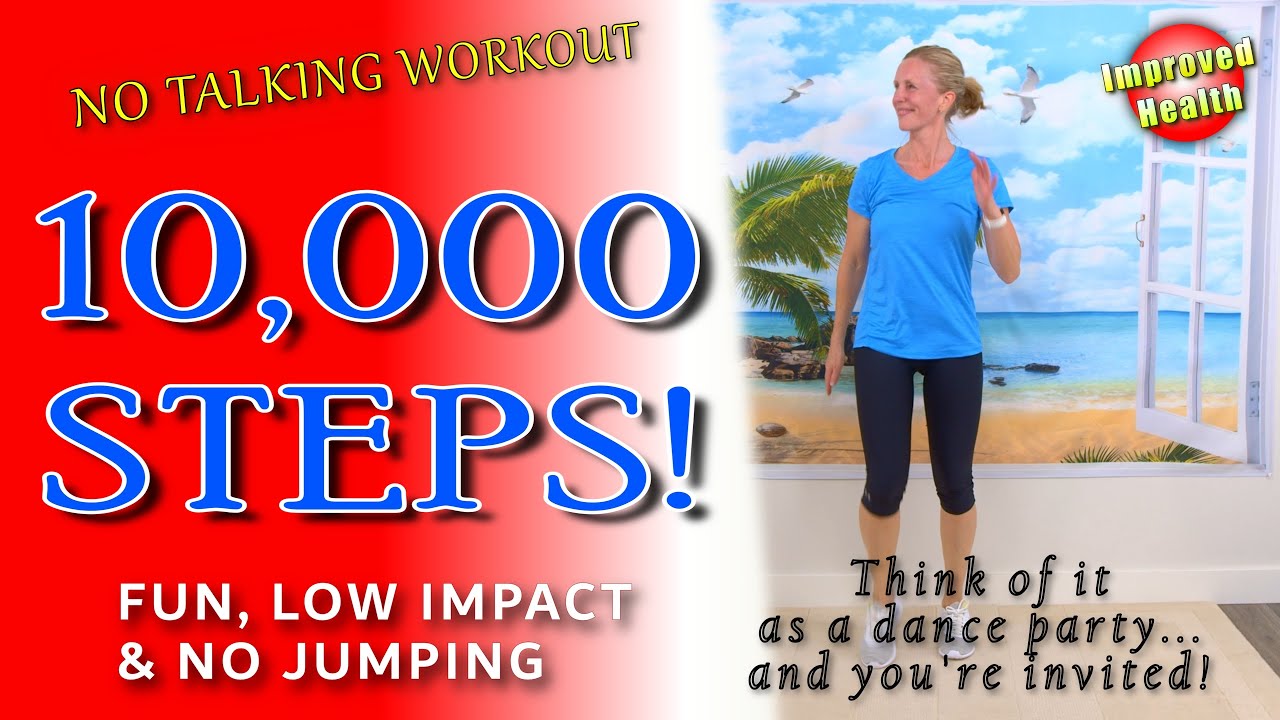
- Improved Health's 10,000-step session is a real burner, but it gets the job done with limited impact on the bones and joints outside of the walking. It takes an hour and a half to complete it.
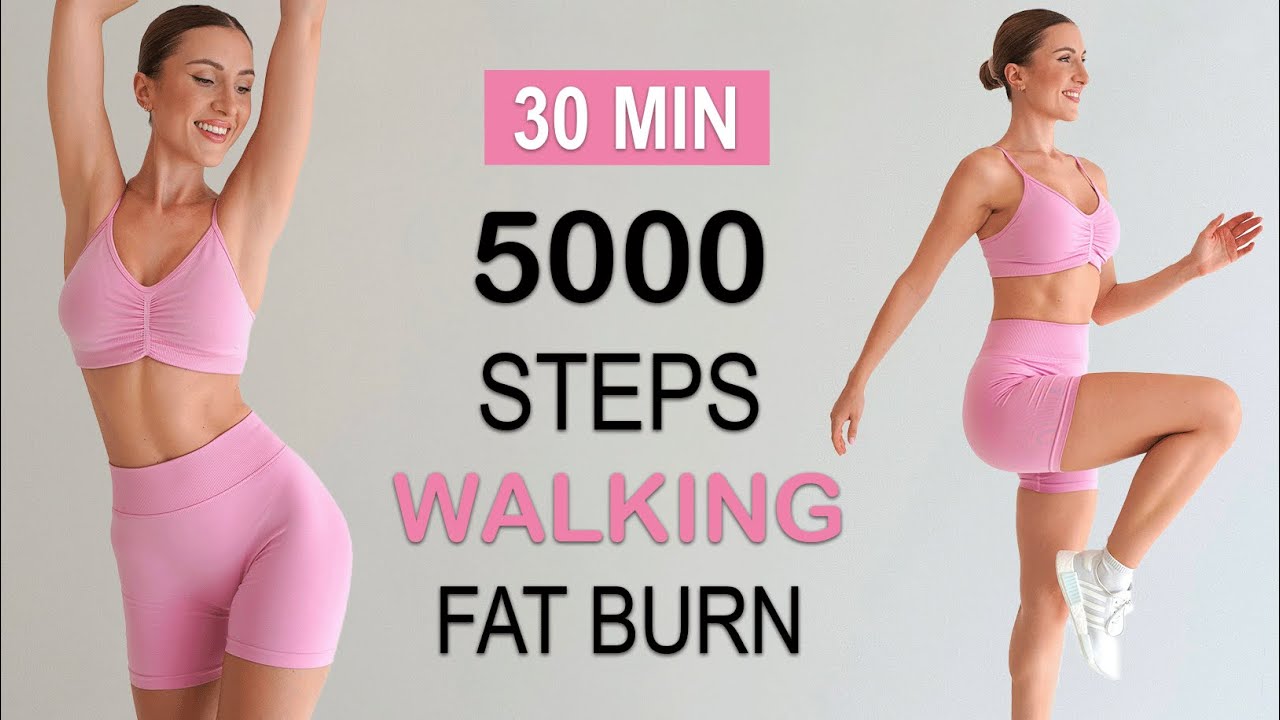
- This Eleni Fit workout is a little easier, lasting just 30 minutes. In this time, you'll get 5,000 steps in through a mixture of walking, dance, and core exercises.
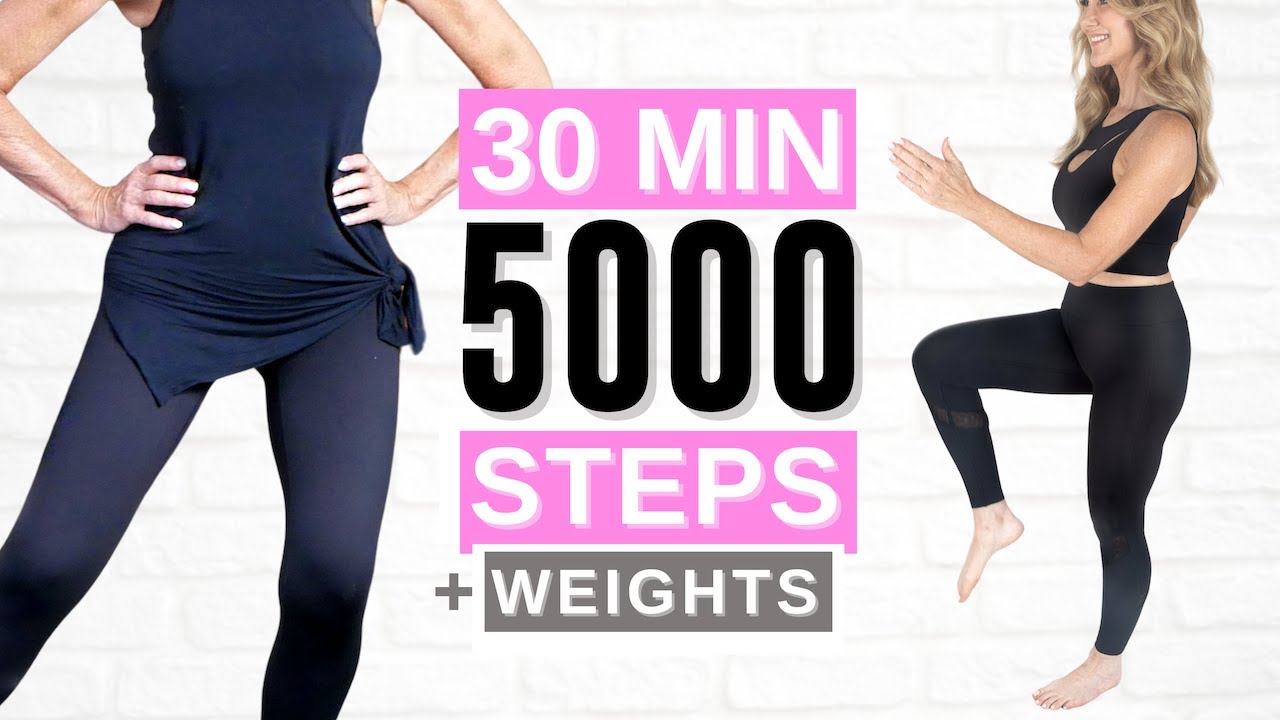
- Add some dumbbells to your walking workout for a full-body strength and cardio session, as led by Shelly Fowler (fabulous50s).
2. Try a walking pad
Pick up one of the best walking pads in the winter sale or step it out in front of your television. You can do an indoor walking workout and get almost the same benefits as walking in your local park.
Here's a few to try:
- 8km steady pace: 10,000 steps is roughly 8 kilometres (5 miles) for most people, so you could set up your walking pad and grind it out while watching your favourite television show, catching up with relatives or friends on the phone, or with a friend in person at the gym. It'll take you about an hour and a half.
- Morning + evening walk: Split your steps into two workouts by clocking in 5,000 steps in the morning before breakfast and 5,000 steps in the evening - just make sure you don't do it too close to bedtime, otherwise you may find your sleep disrupted.
- Intervals: Try walking three minutes fast (roughly 70% of your maximum heart rate, which is 220 minus your age), then three minutes slow to recover - a method known as Japanese walking intervals. Do this until you reach 10,000 steps.

Any version of the Mobvoi home treadmill is worth having. This one reaches speeds of up to 12km/h, making it suitable for running and walking, and features a folding handle and prop for your tablet or phone. Your stats (including steps and moving time) are visible on the screen.

The CitySports treadmill is another tried and tested favourite, and won the top spot for budget-friendly buying in our guide. It goes up to 8% incline, making it ideal for those who really want to challenge their cardiovascular fitness at home.

Pricier than the others, but undoubtedly the best. This walking pad got the overall spot in our guide thanks to its superior build, third-party app connectivity (e.g. Strava), and super sturdy build.
3. Walking on the spot
Walking on the spot or 'in place' is an old-school method of getting your steps in, but provided you keep up a good intensity, you'll see the benefits and see your step count skyrocket.
According to the NHS, moderate-intensity exercise is needed to see major health benefits of walking, such as a lower risk of cardiovascular disease.
You'll know you're exercising at this level if you can walk and maintain a conversation, but you're slightly out of breath.
4. Household chores
"If you’ve got washing loads to take up (and down!) stairs, take it in separate trips so you get more steps in," Simarro suggests. For example, if you're tidying away clothes, take one item at a time up and down the stairs and you'll find you can get 10,000 steps in without leaving the house.
You can do this throughout the day (known as exercise snacking) to break up the work, or do it all at once for a few hours. It has proven health benefits, such as improved cardio fitness and alertness, and it helps to get steps in.
"Doing the hoovering or dusting also helps add steps to our day. They may not be the most interesting, but it all helps and makes you feel really productive at the same time," says the PT.
For those not used to doing 10,000 steps regularly or coming back from exercise after a break, small exercise snacks can be a good way to build fitness before trying something more intense.
5. Dance
Arguably, the most fun way to get your steps in is by dancing. It's also totally free to do. "Whack on some music while you make your lunch or dinner and have a dance around the kitchen," suggests Simarro. "It's also a great mood booster."
6. Walking phone calls
You'd be surprised how much you can move while on the phone, catching up with a friend or family member. Your conversation will distract you and keep boredom at bay, and you'll be walking around the house, clocking in your steps and getting your heart rate up as you move up and down stairs, around your garden, living room, kitchen, and bedrooms.
I tried this technique and racked up 400 steps in just 11 minutes. While it doesn't seem like a lot, it all helps.
7. Stair workouts
Forget the Stairmaster at the gym! If you've got a set at home, you can do the workout in the comfort of your house. Depending on how long your staircase is, you could rack up 1,000 to 1,500 steps for every 10 to 15 trips.
Spread these out through the day by having a clear out of your upstairs and downstairs spaces, like your bedroom and living room, taking one item at a time.
You could also plug in your exercise headphones and follow a dedicated Stairmaster workout to raise your heart rate - just be careful moving up and down quickly.
Tips for getting in 10,000 steps at home
- Wear a weighted vest: If you wear one of the best weighted vests while walking around the house, you'll be able to reap the benefits of strength training while getting your steps in. Along with walking, it's one of the best exercises for longevity as weighted workouts help active bone-forming cells, helping to reduce the risk of osteoporosis later in life.
- Aim for at least one 30-minute walk: Walking 30 minutes a day in one go could offer 3,000 to 4,000 steps. You'll be halfway to your goal by lunchtime if you do this first thing in the morning on a treadmill - and if you do this four times a week, you'll surpass the NHS recommended amount of exercise of 150 minutes a week.
- Set a timer: If you work from home and find it difficult to get your steps in, set a timer every hour or two to remind yourself to walk around.
- Put on some trainers: It might sound silly to wear shoes if you're only getting your steps in at home, but wearing a pair of walking trainers or running shoes with good support is important to reduce the impact on your joints.
How to log your 10,000 steps at home
The best way to accurately log your steps at home is with one of the best fitness trackers. Not only will one of these devices track your step count and tell you when you've hit your goal, but it'll tell you if you're working hard enough.
TOP TIP!
When wearing your fitness tracker, I'd recommend keeping your watch hand by your side as you move. If you're using a watch to count your steps, it'll only record your steps if your arm moves as you do.
If you're walking on a treadmill or walking pad, I'd recommend putting your fitness tracker or Fitbit on your ankle to count your steps. You can then use your hands to work at a standing desk or keep them still.
Moderate intensity (as recommended by the NHS) is about 50 to 60% of your maximum heart rate, which is 220 minus your age. A fitness tracker displays heart rate on the screen at all times.
There are plenty to choose from, but if you're looking for a budget-friendly buy, I'd recommend the Fitbit Inspire 3. For runners, it's got to be the Coros Pace 3, and if you're also exercising outside the home, I'd say the Garmin Vivoactive 5 is a good choice.
Do I really need to do 10,000 steps?
10,000 steps a day is a good number to aim for, but research shows much less than this can make a difference to your physical and mental health. A review, published in the Journal of Preventive Cardiology, revealed that as few as 4,000 steps a day can lower the risk of early death.
"It's important that people understand even a little exercise can help," says Simarro. "When we use 10,000 steps as a target across the board, many people believe it's not worth getting any if we can't get close to that number - but that's not the case."
It's far more realistic to aim for a step count that is aligned with your current activity levels and schedule and go from there. "If you are currently getting 3,000 to 4,000 steps a day, it is far more achievable to aim for 6000+ to begin with," she says. "Aiming for 10,000 steps straight away can be disheartening if you don’t hit it, and it might discourage you altogether."
A Japanese marketing company thought up the 10,000-step goal to sell pedometers - called 'manpo-kei', which translates to '10,000-step meter' - in 1964. Before the goal was set, scientists knew that more movement produced better health outcomes, but there wasn't any research to suggest this was the perfect number.

Emma Simarro is a certified personal trainer, women's health coach, and the founder of Building Body Confidence, a business dedicated to helping women thrive in midlife.
