Yoga for beginners - how to get into the practice whatever your age or fitness level
Looking to do yoga for beginners? Here, three teachers explain how to get into a regular practice, what you need to do it, and the best workouts to try


Yoga for beginners is the perfect way to help find your flow if you're new to the ancient practice, whether you're looking to pick up a regular habit or just engage with your body more this year.
Featuring gentle poses and with a focus on breathwork, beginner-friendly classes and basic workouts on a thick yoga mat can help build strength, flexibility, and mobility, while supporting your joints and while you familiarise yourself with the key principles of yoga.
“Yoga is an incredibly transformational and constantly evolving practice,” says yoga teacher Alana Murrin. “It combines mindful movement with breathing techniques, meditation, and yogic philosophy, to help you reach a state of equilibrium and balance in body and mind.”
Benefits of yoga for beginners
1. Yoga can help build strength
If you've never done any resistance training before, yoga for beginners can be a gentle way to start applying some pressure to your bones and muscles as it's a weight-bearing exercise.
"While working deeper into the lengths of the ligaments and muscles with stretching can be an aspect of yoga, there's an equal emphasis on strength and agility," says Rebecca Young Riboldi, a certified yoga instructor who works at FLYLDN.
2. Improves breathing habits
Breathing might seem like the most natural thing in the world, but chances are, we're not making the most of our lung capacity day-to-day. Deep breathing via the diaphragm not only helps calm an overactive nervous system, but it can actually improve lung capacity.
“Regular practice allows you to breath deeper, strengthen the diaphragm, and allows the lungs to work more efficiently,” says Young Ribodi.
3. Boosts flexibility
It makes sense that holding poses (asanas) that encourage you to stretch your muscles, tendons, and ligaments, will help improve flexibility by boosting muscle elasticity and range of motion.
4. Eases menopause symptoms
Exercise is an undervalued way to manage a plethora of menopause symptoms. Studies in Maturitas and Nursing and Health Sciences journals reveal how yoga in perimenopause can ease hot flushes, mood swings, sleep problems, and menopause fatigue.
It can also offer protection for the heart after menopause, which is important during this life stage as oestrogen has protective benefits that we lose.
5. Lower stress
“Yoga helps to stimulate the parasympathetic nervous system, helping you feel more relaxed and alleviating any symptoms of anxiety and stress,” Murrin tells us. Plus, research by the University of Chile shows practicing yoga for just three months may lower levels of stress hormone cortisol.
The impact of calming the parasympathetic nervous system goes beyond brain benefits, too. The gut-brain axis refers to how the gut can be affected by psychological stress. By practicing yoga and reducing stress, many experts believe you can actually improve gut health and increase circulation through movement.
Yoga for beginners workouts
While in-person classes are the best way to engage with yoga for beginners. With in-person practice, you get the benefits of posture support, expert advice, and community. But, it's not an option for everyone, so classes on one of the best yoga apps or a workout video can be a great starting point.
Morning Yoga Stretch for Beginners | Yoga with Kassandra
Time: 10 minutes
Just 10 minutes a day can make all the difference at the beginning of your yoga journey. This quick morning routine from Yoga with Kassandra will wake up your muscles and give you the energy boost you need to kick off your day.
Morning Yoga for Beginners - Weight Loss Edition | Sarah Beth Yoga
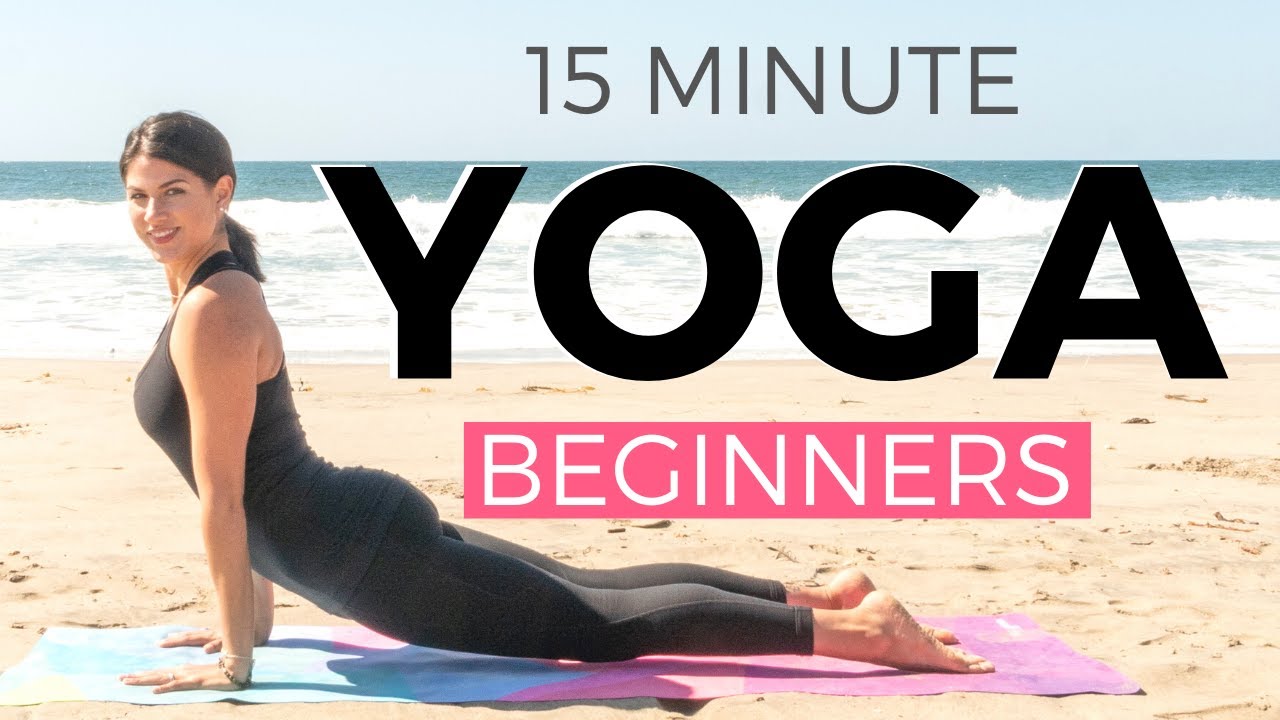
Time: 15 minutes
Ready to get a sweat on? Try Sarah Beth Yoga's morning routine. This 15-minute practice is great for strengthening and toning. Designed specifically for those turning to yoga for weight loss, Sarah advises completing this workout three times a week until you feel ready to move on to an intermediate or longer practice.
Foundations of Yoga | Yoga with Adriene
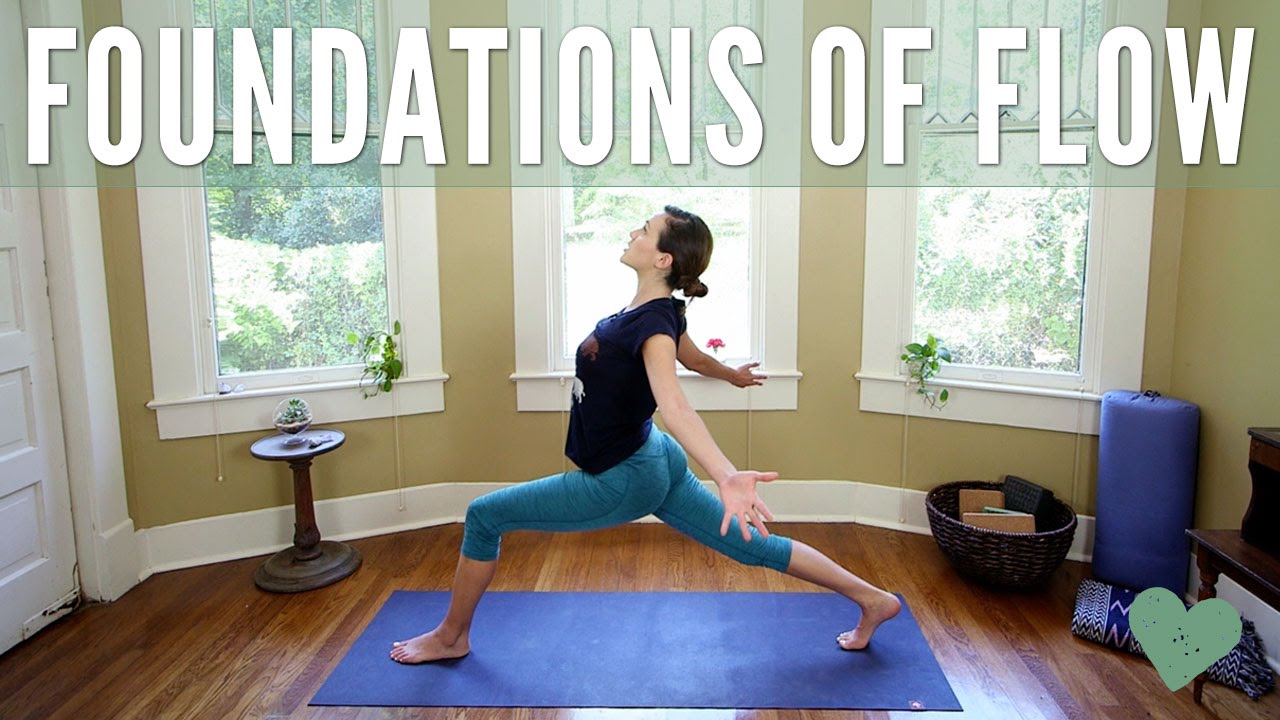
Time: 20 minutes
Learn the foundations of a Vinyasa flow with YouTube sensation Yoga with Adriene. This is a great at-home practice to try before taking a class at your local studio. The slow 20-minute practice will help you nail the basics of yoga.
Yoga for Beginners | Cat Meffan
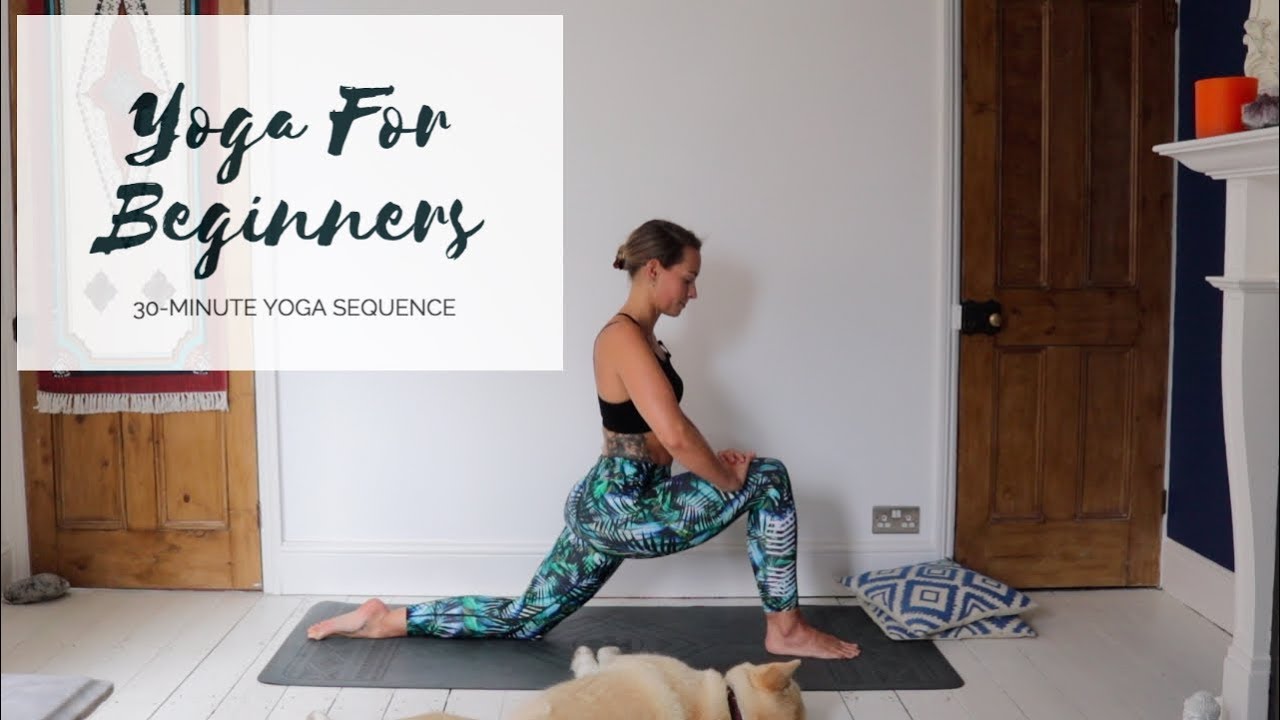
Time: 30 minutes
When you're ready to try a longer practice, join Cat Meffan (and her super cute pup) for a relaxed 30-minute routine. This is a great beginner's yoga practice, combining basic and gentle movements with a focus on the breath.
Tips for doing yoga as a beginner
- Be patient: Yoga is not something you will master, it’s called a ‘practice’ for a reason, so don’t be tempted to give up after a few classes. “There is no being good or bad at yoga,” says Murrin. “Respect your own journey and your body’s inner wisdom. There will never be a moment you’re not good enough, so don’t compare yourself to others."
- Focus on consistency: Young Riboldi often speaks to students who feel confused after their first class. “It’s totally normal,” she says. “Keep up a routine and after three to five classes you will start to get the hang of it.”
- Find a type of yoga you love: “Just like in school, we all connect with different teachers that help us to better learn and grow, and it’s the same in yoga,” Young Riboldi explains, so if one type of yoga doesn't work for you, try another.
- Prioritise meditation: “One thing that has helped me get more out of my yoga practice over the years is an interest in understanding and practicing meditation,” Young Riboldi says. “There are many meditation apps that make it accessible these days and it's really a great skill to practice that is extremely complementary to a yoga practice."
- Be comfortable: You really don't need anything to practice yoga, but the experts do recommend a mat. This will help you portion out a space specifically designed for your practice but also support your joints as you flow.
The best types of yoga for beginners
There are lots of different types of yoga and many different suitable yoga stretches for beginners. The best type of yoga for you will depend on your health and fitness goals, but here are a few to explore:
Hatha yoga
Hatha yoga is a gentle way to start yoga for beginners. It focuses on teaching the physical postures of yoga with an emphasis on the breath. You’ll learn the basics and become familiar with the poses you can expect to see as you try other types of yoga.
In a Hatha class, you’ll also hold the poses for longer compared to flow practices. “As you hold the poses for longer, you have more opportunity to familiarise yourself with the structure and experience of each pose,” says Kat Farrants, a yoga teacher with almost 30 years experience.
Restorative yoga
“Restorative yoga is a very calm and still practice, where you can experience deep relaxation through a series of long, passive stretches, fully supported by props,” says Farrants.
Holding passive poses doesn’t put too much pressure on muscles, and will actually help your body release any built-up tension. This is a great way to practice yoga for sleep. It will kickstart your parasympathetic nervous system and, as the name suggests, it will leave you feeling restored and ready for deep sleep.
It's very similar to yoga Nidra, which is a guided meditation technique for deep relaxation.
Yin yoga
Yin yoga focuses on targeting the deep connective tissue around the muscles to stretch and lengthen. In a Yin class, you can expect to hold each pose for up to 10 minutes, which really allows the muscles time to stretch and tension to melt away.
“Unlike the Vinyasa style, it’s not a sweeping, flowing sequence. You will hold a series of poses often supported by bolsters, cushions, and blankets for a minimum of three minutes to help the body relax and open up,” Murrin says.
Vinyasa yoga
Vinyasa is a more dynamic style of yoga and is best suited to those who’ve learned the basics in Hatha or Yin. You’ll actively hold each pose for a few breaths before flowing into the next pose.
Vinyasa classes are great for strength training and building endurance. Combined with a focus on the breath, you can expect to feel energized and agile after a flow. A perfect way to start your day.
Kit to help you get started

While on the pricier end of the best yoga mats, the Liforme Original Mat is unbeaten in quality and performance, with etched lines in the rubber material to guide your hands and feet into position. It also comes in a fun variety of colours.

For a little more support, I recommend the Gaiam 6mm Premium Yoga Mat every time. Not just for the more budget-friendly price tag or array of stunning colours, either. The extra few millimetres make all the difference, offering more cushioning for your joints during your flow.

A yoga block isn't a necessity by any means, but it can allow you better support and improves body alignment, helping you modify poses as a beginner. As you improve, a yoga block can help you get deeper into stretches.

Even if you're doing yoga at home, it's important to be comfortable - and it doesn't get much more comfortable than the Lululemon Align collection. I opt for the 28" leg as I'm taller than average, but they also come in 25" length. You might find a pair in the Lululemon sale this season as well, with new discounted styles arriving every Thursday.

Though yoga is a low-impact activity, it's a good idea to have a sports bra on to support yourself through downward dog and more intense flows. The Align range from Lululemon has two to choose from, depending on your cup size. The V-Neck bra is suitable for C/D cups, or there's the Align tank, which doubles up as a top for A/B cups.

If you're following a yoga workout online or via an app, I'd recommend putting your phone or tablet at a comfortable height. I use a stand like this one to keep my iPad at a good height for both seated and lying yoga poses.
