Why women are ignoring the critics and embracing this unapologetically sexy Wuthering Heights
What Emerald Fennell's bold adaptation reveals about how women want to be represented on screen


There’s something quietly defiant about loving a film you're told you shouldn’t. Sitting in a cinema, fully aware of the sniffy reviews, and thinking: actually, I don’t care. That seems to be exactly what’s happening with Wuthering Heights.
Critics may have bristled at Emerald Fennell’s bold, hyper-stylised interpretation of Emily Brontë’s sublime novel, but women are turning up in their droves and embracing it anyway. It’s already made $150 million worldwide, with reports that 76% of viewers are female. This is a film women are choosing to claim for themselves, regardless of what anyone else thinks.
The ingredients of this success? An unashamedly raunchy take on Cathy and Heathcliff’s doomed love, a female director behind the camera and the script, and the perspective positioned firmly from the female lens. Desire is not mocked or minimised. Longing is not treated as hysteria. And that alone feels radical.
“Well, I went to see #WutheringHeights in spite of myself, knowing from the sniffy reviews I would find it ridiculous. And I thought it was “wonderful,” declared Victoria Coren Mitchell on her X account. Interesting that even for someone as brilliant and bright as VCM, just going to see this film felt a bit silly because of the critical negativity. However, armed with their own verdict on the movie, she and many women have been liberated and are unapologetically saying so.
For me, Wuthering Heights is the greatest book ever written. When I read it as a young teen, it matched the frankly terrifying levels of obsession and yearning I was already experiencing toward any unfortunate boy who caught my eye. As I grew older, the deeper themes and meanings revealed themselves, and I appreciated Brontë’s work in new and different ways.
But even today, aged 48, the mere mention of the name ‘Heathcliff’ is enough to conjure up those vivid feelings of longing and desire and take me right back. So I went into this adaptation braced for disappointment. I knew it wasn’t designed to be faithful to the book, and was convinced it would leave me cold. But from the playfully subversive opening scene, I was swept up almost immediately.
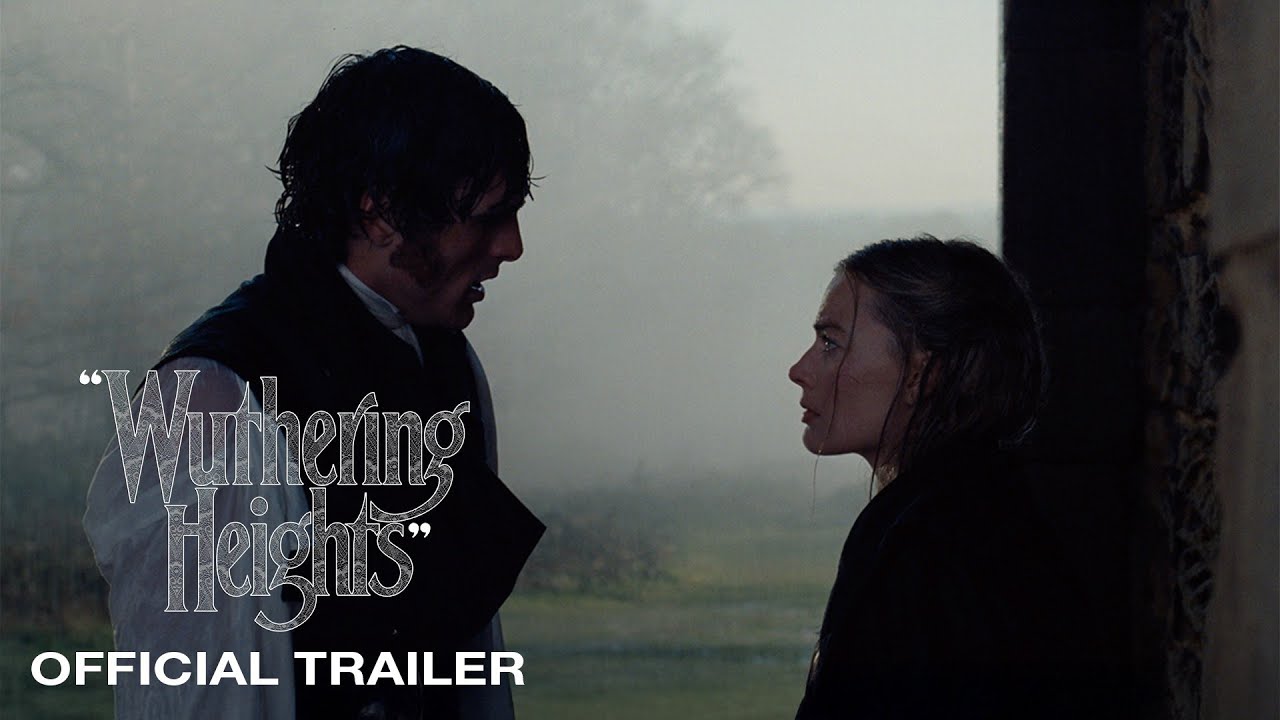
Right from the start, we’re told this is Cathy’s story as much as Heathcliff’s, perhaps more so. The audience is invited to explore her sexuality and point of view far more than his. Each step towards their relationship becoming physical is characterised by Cathy’s sexual awakening and her desire for Heathcliff, not the other way around.
The filmmakers never ridicule or belittle the heightened emotions of love and longing, which felt so refreshing. I’ve often felt completely crazy when swept up in my feelings, and I know many of my female friends have experienced the same shame. But in this film, there’s no shame attached to that intensity of feeling; instead, we’re invited to understand it and root for this couple.
Much has been made about Emerald Fennell’s decision to have Cathy and Heathcliff have a full-blown sexual affair behind her husband Edgar’s back and the torrid scenes that follow.
However, the buildup to this feels completely earned, and the sex scenes are really sensual rather than gratuitous. It feels observed rather than displayed. For me, that shift makes all the difference. You can sense there’s a woman behind that camera.

I really enjoyed the complete subversion of Isabella Linton’s character, played with sheer brilliance by Alison Oliver. In the book, Isabella is on the receiving end of so much of Heathcliff’s hate and abuse, but the film gives her agency. The scene in which they get together is outrageous and brilliant, turning the seeking of consent into something ridiculously sexy and irresistible.
While the selfish and unkind motivation behind Heathcliff’s decision to marry Isabella remains in place, she has more control, and for me, it transformed the character. Poor old Edgar remains a cuckold, but he’s never made to be a villain for being a bit vanilla. It’s just crystal clear that he’s not able to give Cathy what she hungers for.
And, the reaction has been intense. Take a glance at TikTok, and you’ll find countless posts of women emerging from the cinema in emotional pieces after the tragic ending. Or hear the collective lust for Jacob Elordi’s Heathcliff, which, if harnessed correctly, could solve the energy crisis.
The luscious colour palette, the fashion, the music, the vibe; it works together so well that I immediately forgave the filmmakers for lopping off the second half of Brontë’s book.
The conversation around this film will rumble on, and perhaps that is part of its power. In an era when cinema feels increasingly cautious, here is a film that has provoked, divided, and, crucially, made women feel seen in their desire.
Here’s hoping that one lesson Wuthering Heights will teach studio heads is that films made by and for women are not niche. They are not indulgent. They are profitable, passionate, and powerful - and we want more, much more.
You must confirm your public display name before commenting
Please logout and then login again, you will then be prompted to enter your display name.