How to care for a prayer plant: an expert guide to keep your sunshine-loving plant happy
This Brazilian-native plant has particular needs but with our expert's help you'll have it thriving in no time


As one of the more unique houseplants, caring for the prayer plant can be somewhat mysterious, especially considering its native tropical conditions. However, if you're up for the challenge, we spoke to plant experts for their foolproof guide to keep the vibrant species happy in your home.
Knowing how to care for indoor plants isn't exactly a walk in the park, as each species requires a slightly different care routine. For instance, knowing how to look after a monstera plant probably won't help you master caring for a bonsai tree because each has unique needs.
This is why it's important to know your plant's specific requirements, even more so when it's an unusual variety like the prayer plant. Luckily, the plant experts reveal all you need to know to help your plant thrive.
How to care for a prayer plant: an expert guide
Prayer plants require a little more TLC than caring for a peace lily, which is one of the easiest houseplants to keep alive.
"Caring for a prayer plant is a rewarding experience for houseplant enthusiasts," says Petar Ivanov, garden and plant expert. "Known for its stunning, vibrant foliage and unique ability to fold its leaves upward at night, mimicking hands in prayer, this tropical beauty adds charm to any indoor space."
He adds, "With the right care, a prayer plant can flourish as a captivating centrepiece in your home – whether you're a seasoned plant parent or a beginner, this guide will help you keep your prayer plant healthy and happy."
1. Choose the right spot in the sun

Giving your plant the wrong amount of sunlight is one of the most common houseplant mistakes and can lead to major health issues for it. It's one of the main reasons your peace lily can have brown tips.
"Bright, indirect light and direct sunlight can scorch its leaves, while too little light may hinder growth. To keep the soil consistently moist but not soggy, use lukewarm, filtered water or let tap water sit overnight to remove chlorine," says Petar Ivanov, gardening expert at Fantastic Gardeners.

Peter has been a gardening and plant expert at Fantastic Gardeners for over 8 years, he is now one of the company's top-performing experts and manages over 6 teams of gardeners. He works on creating stunning landscapes and prioritises sustainability in his gardening methods.
2. Establish a watering routine
It can be quite a challenge to master your houseplant watering routine, especially if you have a varied selection of plants in your home. But being organised and using watering stakes to help you can make all the difference.
Graham Smith MCIhort, horticulture expert at LBS Horticulture, says, "The soil of your prayer plant should be kept moist at all times from spring to autumn, but do not allow it to be wet. Ideally, water it a little and often, and allow any excess water to drain away completely."
He goes on to say, "Prayer plants are sensitive to the chemicals in tap water, so it is better to use distilled water, filtered water or rainwater. In winter, you will not need to water the plant as often and should keep the soil just moist."


Graham has extensive knowledge in the horticultural and gardening industries, and prides himself on using this to help gardeners of all skills create their perfect outdoor space.
3. Make sure it's in the appropriate type of soil

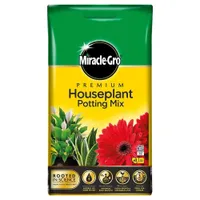
In the same way, it's important to know your soil type for your outdoor plants; ensuring you've filled your pot with the right type for your houseplants is key.
Petar says, "Use a well-draining potting mix, such as one made for houseplants, enriched with peat moss or coconut coir. Feed monthly during spring and summer with a diluted, balanced liquid fertiliser and avoid over-fertilising, which can burn roots."
Feeding and watering your plants will change depending on the season. How you care for houseplants in winter is vastly different from how you should in the summer months.
4. Check the humidity levels are adequate
As the prayer plant is native to Brazil, its required conditions need to mirror that. And whilst you might be trying to reduce the humidity in your home, your prayer plant will need a different ecosystem of its own.
"Aim for 50-60% humidity and use a pebble tray, misting, or a humidifier and maintain between 18–24°C, then avoid cold drafts or sudden temperature change and use a well-draining potting mix, such as one made for houseplants, enriched with peat moss or coconut coir," recommends Petar.
It can be a good idea to keep plants that prefer higher humidities together, that way you're not making more rooms in your home humid when you don't need to.

5. Know when and how to repot the plant

Whilst you might think that knowing how to repot a plant is more important, we'd actually argue that knowing when to repot a plant is higher on the priority list. Repotting a plant too prematurely can be extremely damaging to its health.
"Prayer plants usually grow slowly, so they only require repotting every two to three years, with the best time to repot being in spring or summer. The new pot should be a few inches larger than the old pot. Remove the prayer plant from its old pot and shake off any excess compost from the roots, and then repot into fresh soil in the new pot," instructs Graham.
6. Protect the plant from pests and diseases
Unfortunately, it's not just your outdoor plants that can get overrun with creepy crawlies. In fact, your plants can be the source of your tiny black flies in the home problem.
"Spider mites, mealybugs, and aphids are common, so use neem oil or insecticidal soap to treat infestations. Some of the possible diseases include root rot from overwatering or poor drainage and leaf spot diseases caused by over-misting without good airflow," explains Petar.

FAQs
How to propagate a prayer plant
Looking to maximise your plant collection? Propagation and cuttings are some of our favourite sustainable gardening ideas, both inside and outside.
Graham points out that prayer plants can be propagated by the division method, which can be done when you're repotting the plant in springtime.
He says, "Gently pull apart the root ball with your fingers, and a clump from the side should come away by itself without needing to be forced. Check that each side clump that you are using has a part of the root system attached. If the clump does not come away by itself, you can cut it off with a clean knife."
Once you've done this, repot the clump into fresh compost and into pots that are slightly larger than the new rootball of the old plant.
How do I know if my prayer plant is happy?
Our plants usually tell us when we need to give them a little more attention and care. Whether they start to grow mould on their topsoil or begin drooping, there's always a telltale sign they're unhappy.
"If your prayer plant is happy, it will likely bloom and produce flowers, and it should not exhibit any of the following," starts Graham.
"Leaves that are curling inwards can be a sign that the plant is being underwatered. The leaves should begin to uncurl once the plant has been watered, but ensure that any remaining water can drain away afterwards," says Graham.
If your plant has yellowing or wilting leaves, or even brown patches, then you'll need to give it some TLC.
It's always a good idea to give your plant an inspection every time you water it, just to make sure you're not missing any small signs of distress.

Do prayer plants have a winter domancy period?
It's no secret that our plants are reactive to the change in seasons and sometimes need a little helping hand to survive more extreme temperatures. Prayer plants are not exempt from this.
"When prayer plants enter dormancy for the winter, they still need to be provided with bright light to maintain growth, but watering should be reduced. You should not fertilise the plant during winter when it is dormant," explains Graham.
In the same way you protect plants from the frost outdoors, your houseplants will need not only a different care routine but also a more thorough one.
The experts are also quick to point out just how important it is to clean your plant's leaves properly. Because a prayer plant has extremely reactive leaves that adore sunshine it's important to keep them dust-free and unclogged.
