Not squats or lunges - this exercise boosts lower-body strength, stability, and balance
Grab your resistance band and get to know the crab walk to strengthen your legs, glutes, and hips at home


You are now subscribed
Your newsletter sign-up was successful
Want to add more newsletters?

Daily (Mon-Sun)
woman&home Daily
Get all the latest beauty, fashion, home, health and wellbeing advice and trends, plus all the latest celebrity news and more.

Monthly
woman&home Royal Report
Get all the latest news from the Palace, including in-depth analysis, the best in royal fashion, and upcoming events from our royal experts.

Monthly
woman&home Book Club
Foster your love of reading with our all-new online book club, filled with editor picks, author insights and much more.

Monthly
woman&home Cosmic Report
Astrologer Kirsty Gallagher explores key astrological transits and themes, meditations, practices and crystals to help navigate the weeks ahead.
Whether it's walking, climbing stairs, or working out, our lower-body muscles play an essential role in helping us move freely. We use our legs, glutes, hip muscles, and core more than most other muscles in our body, so it's a good idea to keep them strong.
You can do glute exercises and quadricep exercises like squats, deadlifts, and lunges, and they are all worthy of a place in your workout routine. But you can also try the crab walk if you're looking to boost your stability, hip strength, balance, and muscle mass.
What is the crab walk?
The crab walk is a "lateral walking exercise", says David, unlike most lower-body exercises, which involve up and down or backwards and forward motions. This means you move sideways under the resistance of your body weight, a resistance band, or a set of dumbbells.
"Unlike regular forward walking, this position forces new muscles to be used, engaging your core, shoulders, and glutes while challenging your balance and coordination," he says. If you're a runner, walker, or cyclist, you may find that regularly doing this exercise helps your performance by improving your hip stability and power.
How to do the crab walk
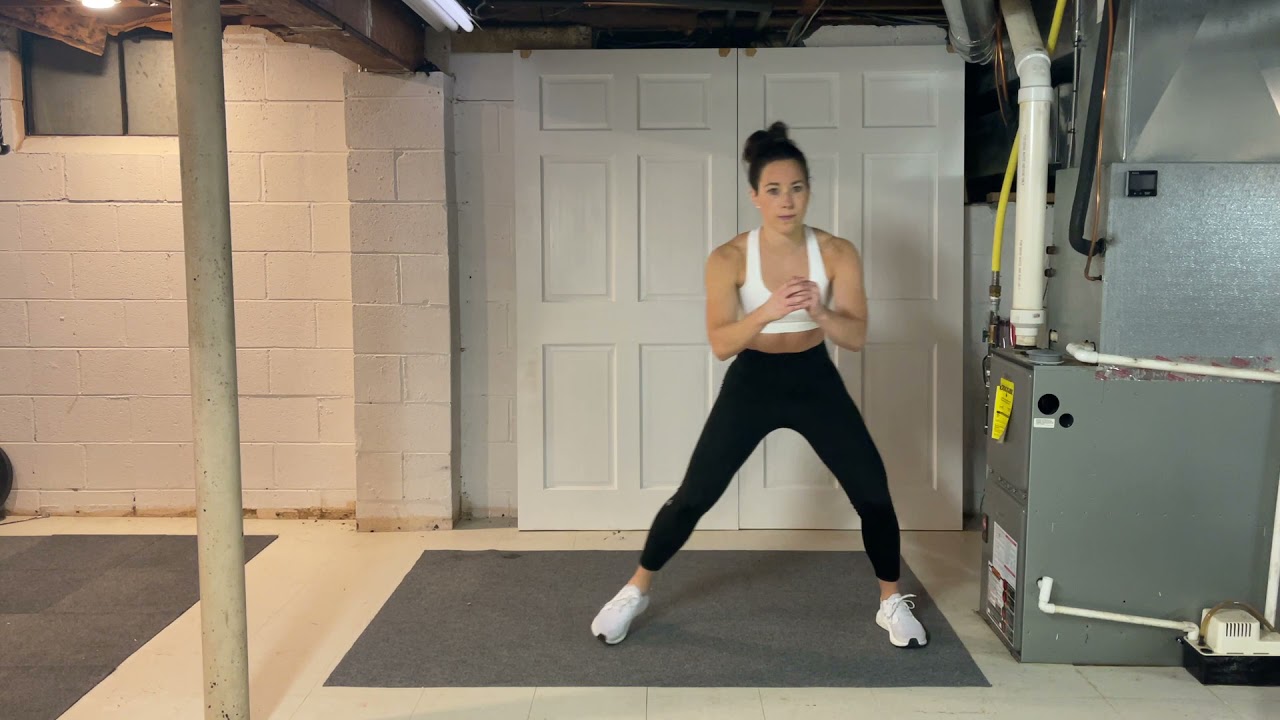
- Stand with your legs hip-width apart and knees slightly bent.
- Lower yourself down into a semi-squat position, sitting at about a 45-degree angle. Engage your core and keep your chest lifted.
- Take a breath, then take a step to the side. Lead with your outside foot, then carefully bring the other one in behind it.
- Repeat the step for at least 12 repetitions, then switch sides. Repeat 3 times.
What are the benefits of the crab walk?
1. Strengthens the entire lower body
From your glutes to the tiniest muscles around your ankles, the crab walk targets the entire lower body. The second you move down into the half-squat position, you're engaging your leg muscles, glutes, core, and hip flexors. When you do this frequently, you'll find it's enough of a new challenge to break down the muscle fibres, which is what needs to happen to build muscle and strength.
A study in the Sports Science Journal shows that doing half squats can effectively build strength, power, and muscle, and may even activate the quadriceps more than deeper squats.
2. Improves full-body stability
Most people will feel a little off balance doing a squat. Throw in some sideways movement, and it's a serious challenge for your stability.
Doing the crab walk a couple of times a week will continue to challenge your stability and improve it over time.
However, by simply strengthening glutes and the muscles in the hips, you'll improve your stability as these are vital for maintaining pelvic alignment and lower-body balance.
3. Boosts balance
Being a lateral movement, the crab walk is one of the best balance exercises and challenges coordination unlike any other. This makes it a particularly good exercise for over 50s to boost longevity later in life, says David.
He points to a study led by the University of Nebraska that found six weeks of sideways walking improved balance, reduced fall risk, and enhanced overall walking ability in older adults.
4. The crab walk is adjustable to all fitness levels
The crab walk is a hugely versatile exercise. Whether today is your first workout in years or you're looking to refresh your routine, it can help.
"This movement boosts calorie burn and adds variety to indoor workouts, making it accessible for almost anyone, from beginners to seasoned fitness enthusiasts, while keeping routines fun and motivating," says David.
"For those seeking more intensity, moving faster, adding light weights, or incorporating a resistance band around the thighs can further increase muscle activation.”
How to do a banded crab walk
To make the crab walk harder, wrap a resistance band around your knees. It needs to be a short, thick resistance band (otherwise known as a 'booty band') rather than a long elastic band.
Here's how to do it:
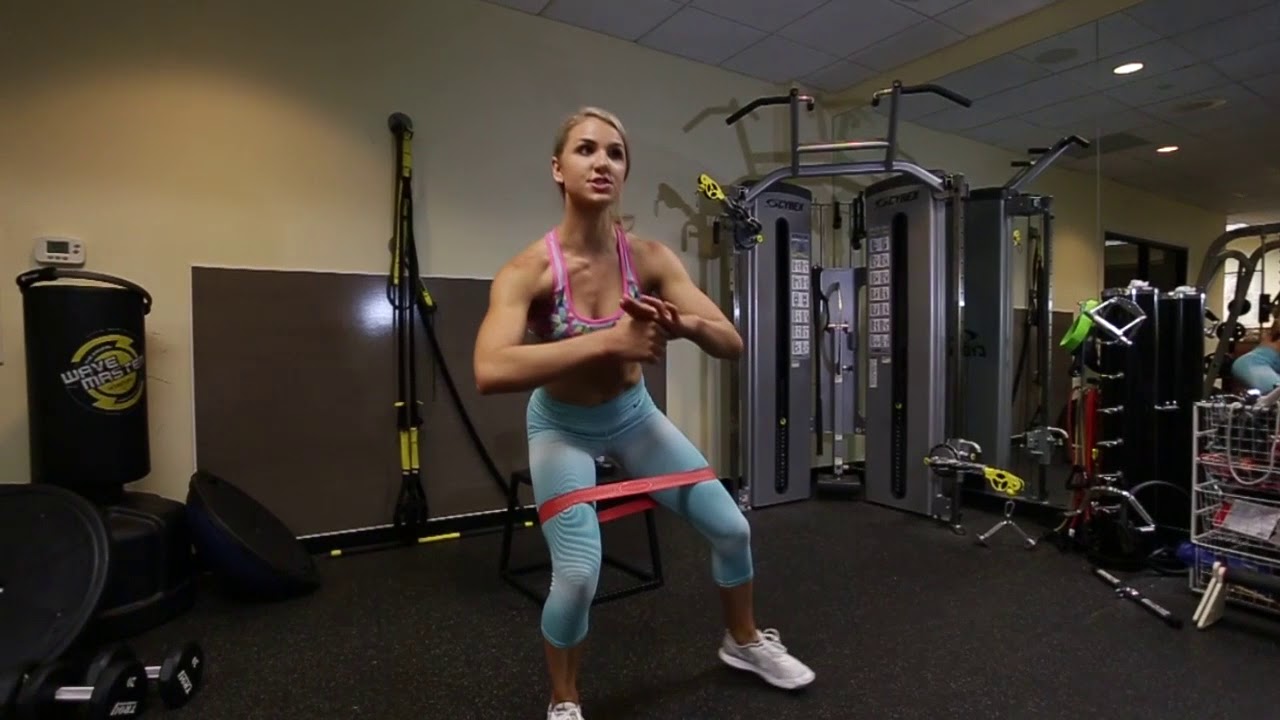
If you don't have a resistance band, you could always switch in a set of dumbbells or a kettlebell. Hold one weight over each shoulder for safe movement and keep it light to begin with until you're comfortable with the movement.

To do a banded crab walk, you'll need a short, thick resistance band like these. This set come in three different 'weights' to help you get stronger.

Hex dumbbells like these have the added benefit of not rolling away from you when you put them down on wooden floors. The HOMCOM set comes with two.

A kettlebell has a wide handle, making for easy gripping. You'll only need one to do the crab walk. Hold it in the centre of your body with two hands.

You must confirm your public display name before commenting
Please logout and then login again, you will then be prompted to enter your display name.