Sore after exercise? As a physical therapist, I always tell my clients to do these 4 stretches to improve blood flow and mobility
Cooling down after a walk, run or cycle is just as important as warming up for recovery and avoiding injury


Are you so focused on doing your workout that you forget to cool down afterwards? Me too. I'm definitely guilty of running out of time and moving onto the day's next commitment without giving myself time to stretch and wind down after a run or walking workout.
Often, I also pay the price for this the next day when my muscles feel tight and sore. It's something that physical therapist Dr Adam Fujita, who works with a stretching app called Yoga-Go, sees a lot, even though right after exercise is the "ideal time for static stretching".
"Your muscles are already warm, more pliable, and fully engaged," he says. "This allows for deeper and more effective lengthening, aiding recovery by increasing blood flow, removing metabolic waste, restoring muscle strength, and reducing stiffness."
After you've pulled off your running or walking shoes, the doctor says that key stretches, along with staying hydrated, eating well, and getting plenty of good core sleep, are essential for recovery after exercise.
Cool down stretches to do after exercise
Lunge hip flexor stretch
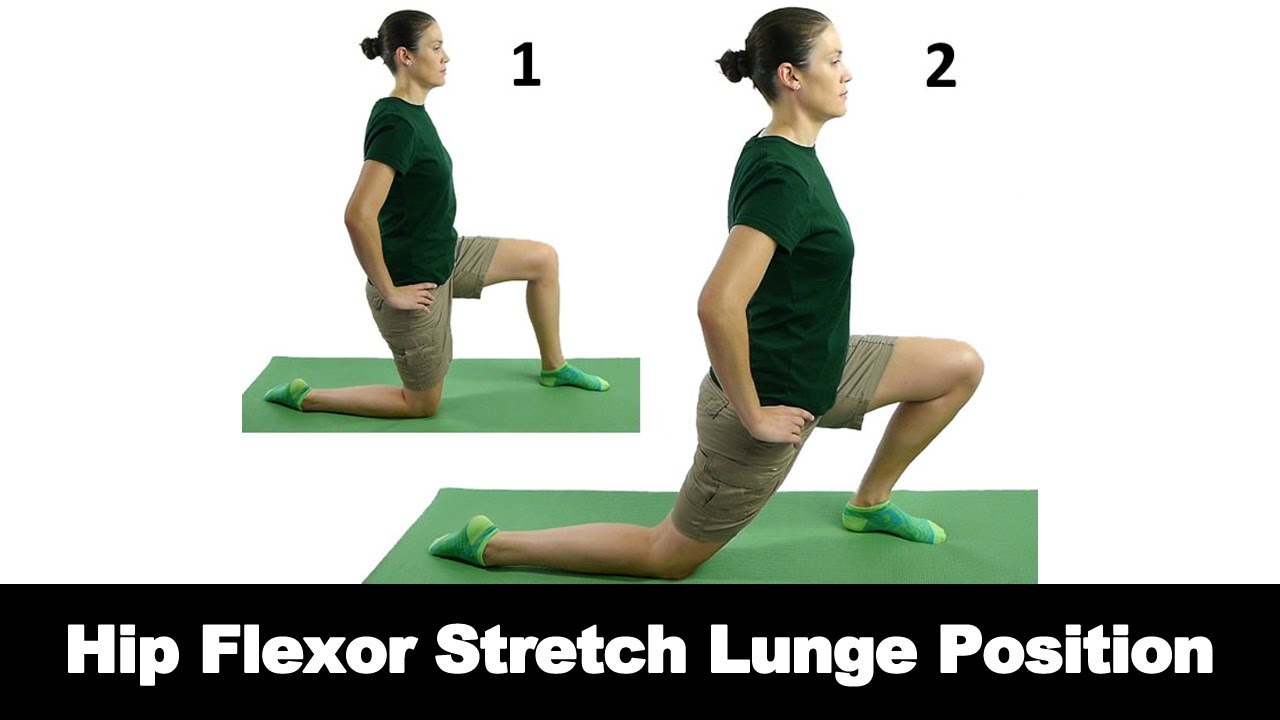
A lunge is perfect for targeting the hip flexors, quads, and glutes, all of which can become tight from repetitive activities like running," says Dr Fujita. Keep still and lean into the stretch for at least 30 seconds before returning to the upright position to feel the benefits.
Here's how to do it:
- Kneel on your left knee with your right foot flat on the floor in front of you.
- Start tall with your torso upright and gently tuck your pelvis under.
- Lean forward slightly, pressing your left hip toward the ground.
- Hold the position for at least 30 seconds, switch sides and repeat.
Expert tip: “To deepen the stretch, raise your arm on the same side as your kneeling leg overhead and gently reach across your body," he says. "Focus on keeping your movement slow and controlled to avoid over-arching your back."
2. Standing IT band stretch
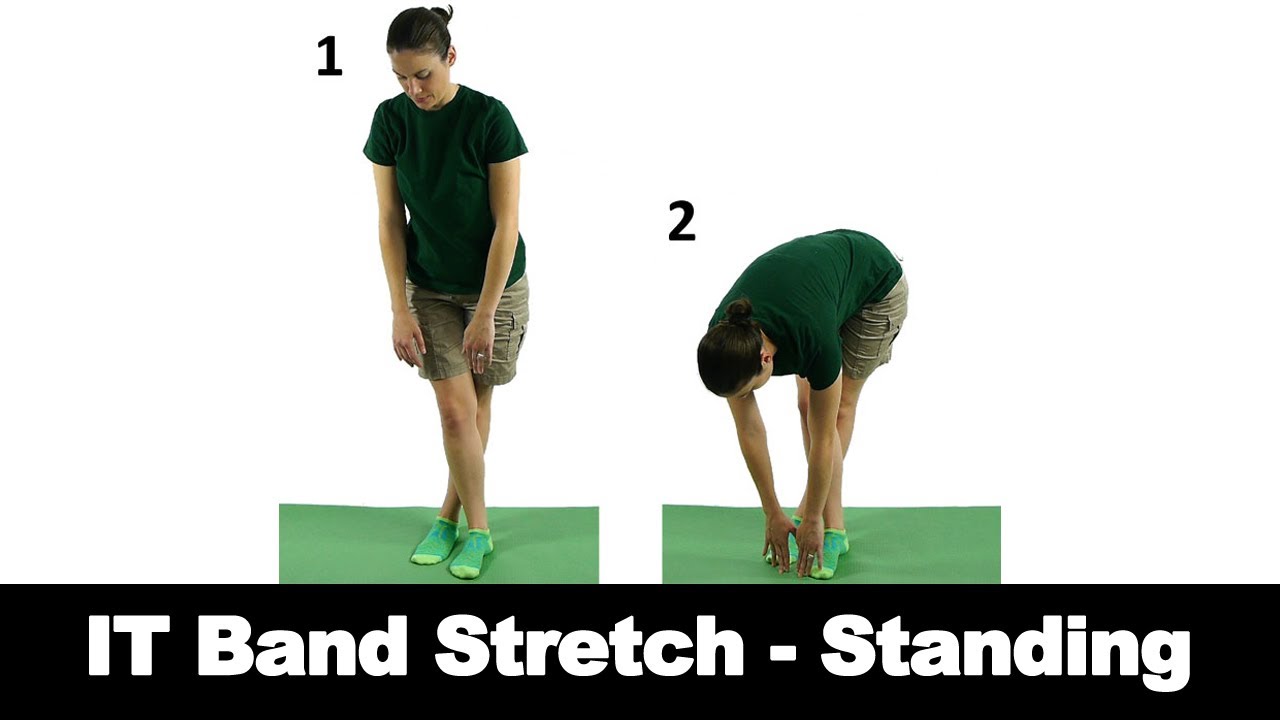
The iliotibial (IT) band is a thick string of tissue that runs from the hip, down the outside of the leg to the knee. It's essential for movement and stabilising the knee, so flare-ups are among the most common injuries in those who enjoy running and cycling workouts.
It can be reduced through resistance training and stretching our hip abductors with movements like this one, says Dr Fujita.
Here's how to do it:
- Stand tall with your feet together. If needed, you can stand near a wall for balance.
- Cross your right leg behind your left and shift your hips slightly to the right.
- Reach your right arm overhead and lean your torso to the left.
- Hold for at least 30 seconds, then switch sides and repeat.
Expert tip: “Focus on lengthening through the side of your body rather than collapsing into the stretch,” says Dr Fujita. "Keep your chest open and avoid twisting your torso."
3. Side to side lunge
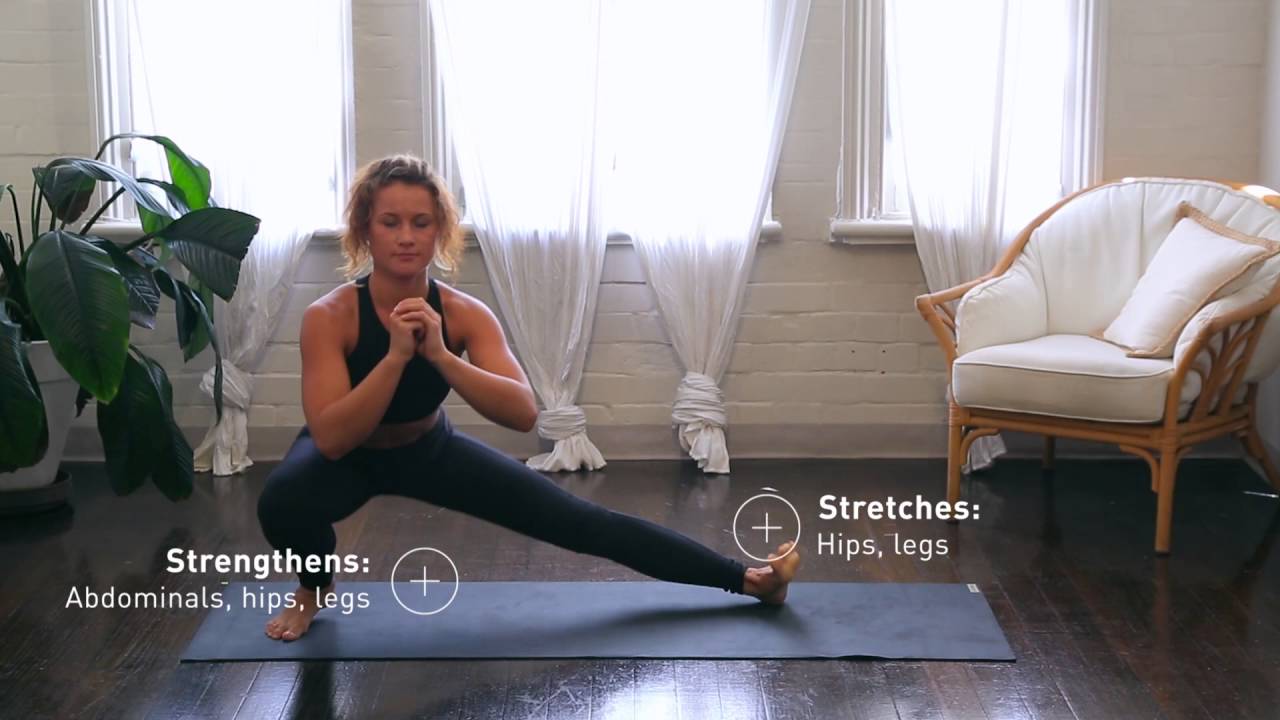
The side to side dynamic stretch targets the inner thighs, hips and glutes, and improves mobility and control. It's done typically in running warm-up exercises, but it's a good one to do after exercise as well.
Here's how to do it:
- Stand with your feet wider than shoulder-width apart.
- Shift your weight to one side, bending the knee while keeping the opposite leg straight.
- Keep your chest upright and hips pushed back.
- Push back to the centre and repeat on the other side.
- Perform 8 to 10 controlled reps per side before switching sides.
Expert tip: “Move slowly and with control. Keep your knee tracking in line with your toes and avoid letting it collapse inward. Think of sitting your hips back, similar to a squat, to protect your knees and maximise hip engagement," says Dr Fujita says.
4. Standing calf stretch
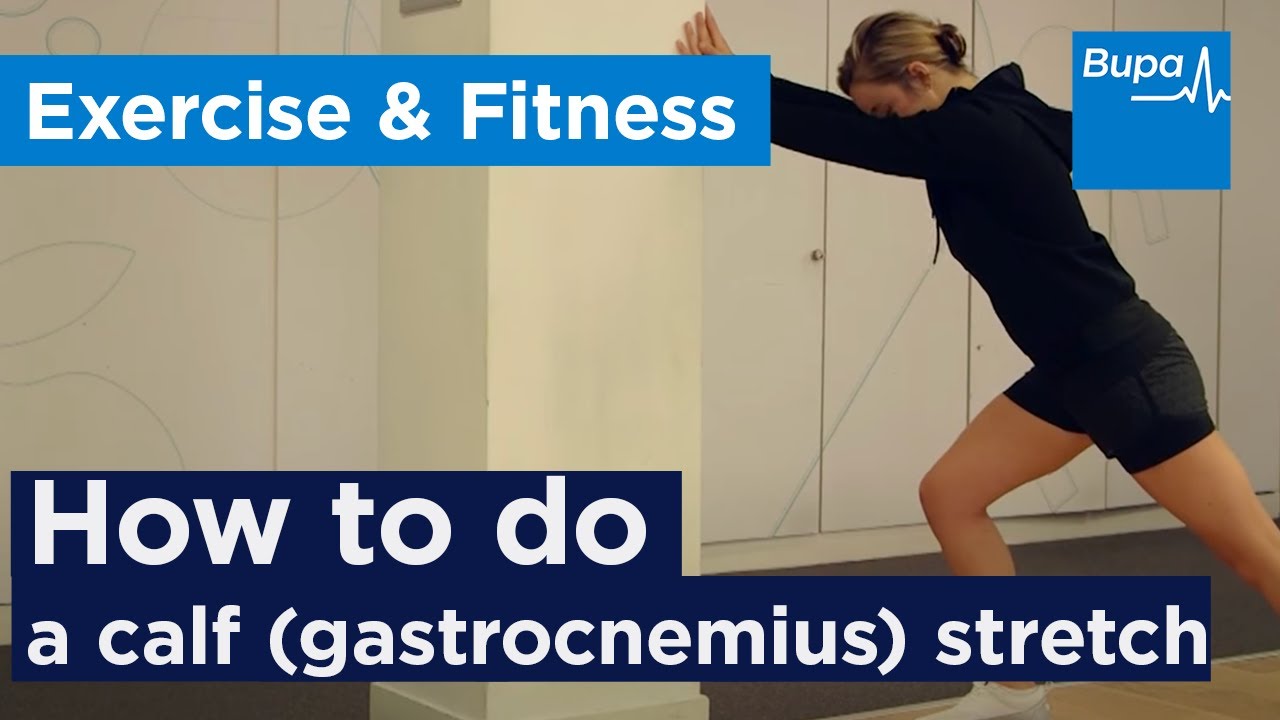
A calf stretch is an underrated one in any routine. These muscles sit towards the bottom of our legs, but they essentially act as a second heart, helping to pump blood around the body.
If you run, jog or walk regularly you might experience tightness, but stretching them can improve your ankle flexibility, reduce pain, and help them work more efficiently.
Here's how to do it:
- Stand near a wall or sturdy chair for support.
- Place one foot forward, keeping your back leg straight and both heels on the ground.
- Lean forward slightly, feeling the stretch in your back calf.
- Hold for 20 to 30 seconds, then switch legs, and repeat 2 to 3 times per leg.
Expert tip: Do this exercise with your toes on a step or curb to deepen the stretch. “Position the back of your foot on the edge of your step, allowing your heel to drop down toward the ground. Holding the position while breathing deeply to encourage relaxation and greater flexibility in the lower leg muscles,” says the therapist.
Adam Fujita is a Doctor of Physiotherapy and an endurance athlete that integrates foundational principles of human biomechanics, output, and efficiency with his experience in training and competing at marathon and ultra-marathon distances. He provides high-level care and coaching for patients, clients, colleagues, and himself, and has done since 2008.
