I'm a physiotherapist - this is the 4-step running warm-up I wish more runners would do to avoid injury
Whether you're heading out for a jog or something long-distance, it's important to fire up your muscles and joints before heading out the door


At school, a running warm-up was an essential part of any P.E lesson - and for good reason. Even five or 10 minutes of moving stretches in your running shoes fires up the muscles you'll need for a good workout. It raises their temperature, improves flexibility, and makes them more efficient. Together, this helps avoid injury.
Warming up also helps improve performance and makes the exercise feel easier. "The movements prepare the muscles for the full range of motion needed during running," explains Dr Adam Fujita, a doctor of physiotherapy and an endurance athlete who works with Yoga-Go as a physical therapist.
Naturally, as running primarily uses the muscles in the lower body, such as the glutes (buttocks), quadriceps (thighs), hamstrings (back of thighs), and calves, a running warm-up will focus on this area, with some light work across the upper body. Try these before setting your running watch and heading out the door.
Try this running warm-up
1. Leg swings
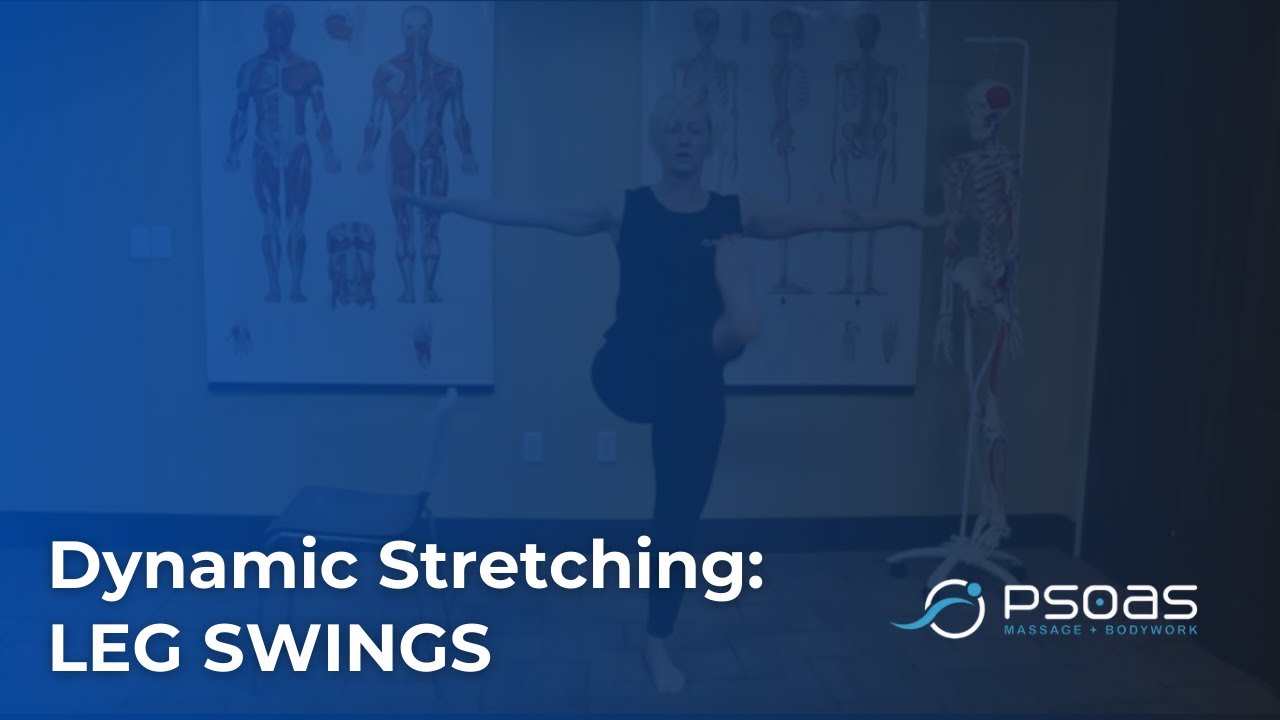
"Leg swings help loosen the hips, increase blood flow, and improve flexibility in the hamstrings, glutes, and hips," says Dr Fujita. "To get more out of them, keep your core tight and avoid leaning backwards or forwards. Remember, the movement should come from the hip, not the lower back."
Here's how to do them:
- Hold onto a wall, tree, or another runner's shoulder for stability
- Stand on one leg and swing the other forward and backwards, gradually increasing your range of motion
- Then, face your chosen surface and hold on with both hands. Swing your legs across your body and out to the side
- Repeat 10 - 15 times per leg, both front-to-back and sideways
2. Forward lunge with rotation

Forward lunges with a rotation are particularly beneficial for improving thoracic mobility, says the doctor. That's mobility in the chest to you and me. "Often, it's forgotten about when warming up for a run," he says. "The core engagement in this exercise also enhances stability and running mechanics."
Here's how to do it:
- Start by standing tall with your feet hip-width apart.
- Take a step forward with your right foot, bending both knees to lower your body into a lunge position.
- As you lunge forward, rotate your torso to the right.
- Return to standing position, pushing off with your right foot, and repeat the lunge with the left leg, rotating your torso to the left this time.
- Repeat 8 - 10 times per leg
3. Squat to calf raise

This squat and calf raise movement is a "dynamic exercise that activates the calves, quads, glutes, and ankles, supporting stability and helping prevent common injuries like shin splints," the doctor says.
"At the top of the movement, pause briefly on your toes to improve balance and calf activation, keeping your ankles stable and controlled."
Here's how to do it:
- Stand with your feet slightly wider than shoulder-width apart and your toes pointing slightly outward
- Lower your body into a squat by pushing your hips back
- As you rise, lift your heels into a calf raise before finishing in an upright position
- Repeat for 10 - 12 reps
4. Dynamic hamstring stretch

Dynamic means 'moving', and keeping moving is essential in a running warm-up. During a cool-down, you do mobility exercises and stretches in one spot, which has different benefits. Stretching without moving before a run can do more harm than good.
"A dynamic hamstring stretch improves blood flow, increases joint range of motion, and prepares muscles for activity, enhancing performance and helping prevent injuries," says Dr Fujita.
Here's how to do it:
- Begin by standing tall with your feet hip-width apart
- Extend the right foot straight in front of you
- Hinge forward at the hips, reaching your hands toward your toes
- Engage your core and feel the stretch in the back of your right leg
- Return to the starting position and repeat with your left leg
- Perform 8-10 reps and then switch legs
Tips for a running warm-up
- Avoid rounding your back: In movements involving your hips, like the hamstring stretch, it's important not to round your back and to hinge from the hips instead. "This ensures you're properly targeting the hamstrings, rather than straining your lower back," says the physical therapist.
- Focus on staying controlled: Just because you're moving in these stretches doesn't mean they don't need to be controlled. Avoid throwing your legs in the swings.
- Stay hydrated: Before you run, make sure you drink some water. Typically, it's a good idea to aim for about 500ml in the hours before you go for a run. If it's a longer run, you'll need to take water with you.
- Eat something: In the hour before your run, make sure you eat some easily digestible carbohydrates to fuel your body for the exercise. A banana, a bagel, toast, porridge, or granola are good options. If you're running for over an hour, store a snack in your workout leggings or running shorts, but avoid foods high in fat or fibre before you go for a run.
