How to care for a yucca plant: an expert guide to keep this quirky plant thriving
Follow this foolproof care guide to grow a happy and healthy yucca plant in your home


You might be surprised to hear that these dramatic-looking plants are actually quite low maintenance and easy to look after. Following this care guide will ensure your yucca plant thrives in no time.
If you're looking for some of the easiest houseplants to keep alive then a yucca plant is a great choice, although it needs a little more help than other species it's a pretty low-maintenance plant. Unlike how to care for an orchid you won't have to panic too much about keeping a yucca alive.
Whether you're looking for another addition to your houseplant collection or are struggling to keep your yucca happy, we asked the experts for the best possible care routine.
How to care for a yucca plant: an expert guide
Although yucca plants aren't considered one of the plants you can use to help with condensation they're still one of the best indoor plants for your health and wellbeing. Plus they're super easy to look after.
1. Watering

Knowing how often you should water your indoor plant is key to keeping it alive and well. Of course, different plant species require different amounts of water as well as varied regularities of when they need to be watered.
"Water your plants only when the soil is completely dry. Overwatering is a common problem. After you water it, empty the saucer so it doesn't sit in water. Every 2-3 months during the growing season (spring and summer), feed the yucca plant a balanced, water-soluble fertiliser. Don't feed in the fall and winter," recommends Jane Dobbs, lead gardener at Allan's Gardeners.

As the gardening team leader at Allan's Gardeners, Jane is in charge of managing all aspects of garden maintenance and care services. She works day-to-day as a gardener and has done so for the past 10 years.
2. Sun and heat exposure
One of the most common houseplant mistakes is plonking your plant down in the sunniest spot in your house. Whilst it might be done with good intentions, too much direct sunlight can be the worst thing for your plant, and yuccas are no exception.
"Bright, indirect light is best for Yucca plants. It's okay to let them get some direct sun, but too much can burn their leaves," explains Jane.
Similarly, yucca plants prefer warmer temperatures between 18 and 24 degrees. Whilst cooler temperatures won't necessarily damage your plant, you must know how to protect your plant from frost should it be outdoors or in an external building.
3. Pruning and leaf care

Unfortunately, pruning your houseplant isn't the same method as pruning a rose bush, but it has the same effect.
"If there are any dead or yellowing leaves, cut them off at the base. It keeps the plant looking healthy and tidy. Occasionally, wipe the leaves with a damp cloth to keep them clean. Every 2-3 years or when it gets root-bound, repot your yucca. Repotting is best in the spring. Plant it in a fresh pot with fresh soil after removing it from its pot, trimming any dead or rotting roots," explains Jane.
4. Soil
Similar to how to look after an aloe vera plant, starting with good soil in the pot will give your leafy friend the very best chance of survival. Most houseplants need a specialised soil mix that will provide them with all the nutrients they need.
"If you’re growing a yucca plant outdoors, keep in mind that these plants generally prefer dry and sandy desert-like conditions. It’ll be best to place them somewhere in full sun in poor and sandy soil, where they’ll still get at least a few hours of shade a day," says Petar Ivanov, professional gardener at Fantastic Gardeners.
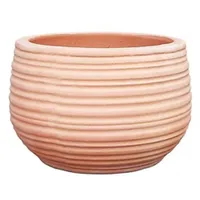
Just remember to use a heavier plant pot for a yucca plant, as it could become top-heavy and topple over. We'd recommend a terracotta pot, not only will this add a Mediterranean style to your space, but it's also sturdy and great for drainage.
5. Pests

A lesser-known element of plant care is pest control. Where you might already be a master at keeping pigeons out of your garden or knowing how to get rid of tiny black flies, houseplant pests are a little harder to deal with.
"These plants aren’t typically susceptible to pests, but you’ll still need to keep an eye out for scale insects. Also, if you start seeing the plant’s lower leaves falling off, don’t worry about it because it’s natural and the plant will only get a more tree-like appearance," says Petar.

FAQs
Can yucca plants clear the air?
Although yucca plants can't help with the condensation in your home, due to their preference for low humidity, there are other benefits to keeping them around.
Jane says, "It's true, yucca plants are good for clearing the air. As with most green plants, yuccas absorb carbon dioxide and release oxygen through photosynthesis, which improves indoor air quality."
And that's not all, Jane also shares that yucca plants can help reduce dust as their large leaves trap passing dust particles, which stops them from circulating. So if you're looking for a plant that can help with odours in the kitchen or lessen the load of your spring clean checklist, look no further.
What are the differences between caring for a yucca plant outside vs inside?
Yes, you can indeed grow yucca plants outside, and they can turn into pretty impressive plants; however, there are a few different things to consider when it comes to outdoor care.
Petar says, "If you’re growing a yucca plant outdoors, keep in mind that these plants generally prefer dry and sandy desert-like conditions. It’ll be best to place them somewhere in full sun in poor and sandy soil, where they’ll still get at least a few hours of shade a day."
It's not just the care methods that differ; your yucca plant will also grow differently outdoors. Petar says, "If they’re grown outdoors, they have a higher chance of blooming. Outdoor yucca plants also typically live a lot longer than indoor plants, around 20 years and up to 50 years. In contrast, indoor yucca plants live for around 5 years."
Another important condition to think about is the placement of your yucca plant. Petar warns against placing it near any pathways due to its long leaf tips and the chances that the roots may become invasive. Whilst on the whole, yuccas aren't seen as one of the most common invasive plants, some species are known to damage foundations.
Following this simple care guide will ensure your plant grows up to its potential, whether you choose to have it indoors or as one of the best plants for your garden outside.
