Don't underestimate 20 minutes of yoga - I improved my strength, flexibility, and balance with this simple routine
They say you don't need to do a lot to reap the benefits, so Kathryn Williams took to the mat to find out if 20 minutes of yoga makes a difference


You are now subscribed
Your newsletter sign-up was successful
Want to add more newsletters?

Daily (Mon-Sun)
woman&home Daily
Get all the latest beauty, fashion, home, health and wellbeing advice and trends, plus all the latest celebrity news and more.

Monthly
woman&home Royal Report
Get all the latest news from the Palace, including in-depth analysis, the best in royal fashion, and upcoming events from our royal experts.

Monthly
woman&home Book Club
Foster your love of reading with our all-new online book club, filled with editor picks, author insights and much more.

Monthly
woman&home Cosmic Report
Astrologer Kirsty Gallagher explores key astrological transits and themes, meditations, practices and crystals to help navigate the weeks ahead.
I have to admit, I never thought I’d come to love yoga as much as I have. In fact, for the longest time, I sensed that yoga and I were deeply incompatible. I remember leaving a class in my early 30s feeling completely mortified - surrounded by strong and flexible people who could seemingly contort themselves into a pretzel, while my stiff body and lack of coordination left me feeling ashamed and embarrassed.
I’d originally signed up for a yoga for beginners class because I loved the mindful element of this ancient practice and thought a gentle flow on my thick yoga mat might feel mentally and physically soothing. Instead, I felt a silent sense of judgment from the teacher, like I wasn’t quite getting it ‘right’. Of course, that could have been my own insecurities, but in that particular class and moment in time, I felt I didn’t fit in.
The benefits of doing 20 minutes of yoga
1. Increased strength and flexibility
Since entering perimenopause a year ago, I’ve noticed I have more pain and stiffness in my body than I had when I was younger. While yoga isn’t a magic bullet, it’s certainly helped to provide some relief and enabled me to move a little more freely than I was able to before I started my daily practice.
“Studies have shown that strength, flexibility and balance improve with a regular practice of yoga,” says Georgie Stevens, a certified yoga instructor. “A yoga practice focused on mobility, the ability to move a joint stably and strongly to its full range of motion, has impacts outside of the yoga studio, whether it is being able to bend down to put your socks on, reaching up to get items from the top shelf, or getting down on the floor to play with children or pets.”
While I still can’t quite touch my toes, I can definitely confirm that putting my socks on is a lot easier than it was even two weeks ago.
2. Improved sleep quality
Once my hormones started changing, sleep became hard to come by. Before I started doing yoga every day, I would spend most nights wandering around the house at all hours, fearful that I might never see dreamland again. Thankfully, that fear has proved unfounded. In the past week, I've been sleeping better.
What is it about yoga that aids sleep? “It could be due to feeling more comfortable in the body, having learned the skills to move into a relaxed state, as we do in Yoga Nidra, or a healthier nervous system,” says Georgie.
Whatever the reason, I’m grateful that I can now get the rest I need. Not only is it nice not to be sitting up at 2 am, but sleeping well has meant I function a lot better during the day.
3. I feel less stressed
This past year has felt really challenging. As a family, we’ve had a lot of loss, and that’s meant I’ve felt a lot more stress than I normally would. Practising yoga every day has really helped to calm my high cortisol levels, and I wish I'd found the practice sooner.
When I asked Stevens why I feel calmer after doing yoga, she said that a mindful yoga practice is associated with a lower resting heart rate, lower cortisol levels, reduced blood pressure, and improved markers of autonomic function. “The autonomic nervous system has two main branches: The sympathetic nervous system, sometimes referred to as fight or flight mode, and the parasympathetic nervous system, sometimes referred to as rest and digest mode,” she explains.
In yoga, we create an environment that signals to the nervous system that we are safe. This is done through breathwork, moving slowly, bringing attention to the present moment, calming postures like forward folds and supine baddha konasana and meditation.
"With regular practice over time, the body becomes more resilient to stress because it can more easily move into a calm state, not only on the mat but off the mat as well," she says.

4. I feel more present in my life
I’m not sure about you, but I have a terrible tendency to get caught up in my thoughts. It can be easy to live from the neck up and become completely disassociated from our bodies. Of the many benefits of yoga that I've experienced recently, it has helped me to reconnect with my body, to be present to what’s there without trying to fix it or change it.
“When we practice yoga daily, it becomes a kind of benchmark,” says Stevens. “When we pause to check in with how we’re feeling (in mind, body, emotion or spirit), it is an opportunity to notice how things might have shifted. This becomes a valuable tool in re-routing if we are not feeling quite right.”
Practicing yoga regularly has also become a sacred pause in my day, helping me to connect with something deeper. “This might be a deep connection to something spiritual or a connection to feeling more alive in your own body,” Stevens explains. “Alternatively, this connection could come from the community of like-minded people in your yoga class.”
Is 20 minutes of yoga enough?
Yes, you can see lots of benefits by doing 20 minutes of yoga a few times a week. It'll help boost your mood and contribute to the 150 minutes of moderate-intensity exercise that the NHS recommends.
However, Stevens warns that 'enough' is a personal aim. It will depend on your personal situation and what you’re choosing to focus on in your yoga practice.“For example, a busy person with a hectic schedule might initially feel the mental health benefits of taking a moment to pause and come into the present moment. With regular practice, coming into the present moment becomes easier," she says.
Another person begins a yoga practice after having been physically inactive. "This person might initially feel the physical benefits of the practice, moving freely, more easily and with less pain in their daily life. In both examples I have given, I have used the word ‘initially.’ This is because in my experience, people often begin a yoga practice for one reason, but they end up staying for many others," she says.
Where to find a 20-minute yoga workout
Guided yoga nidra
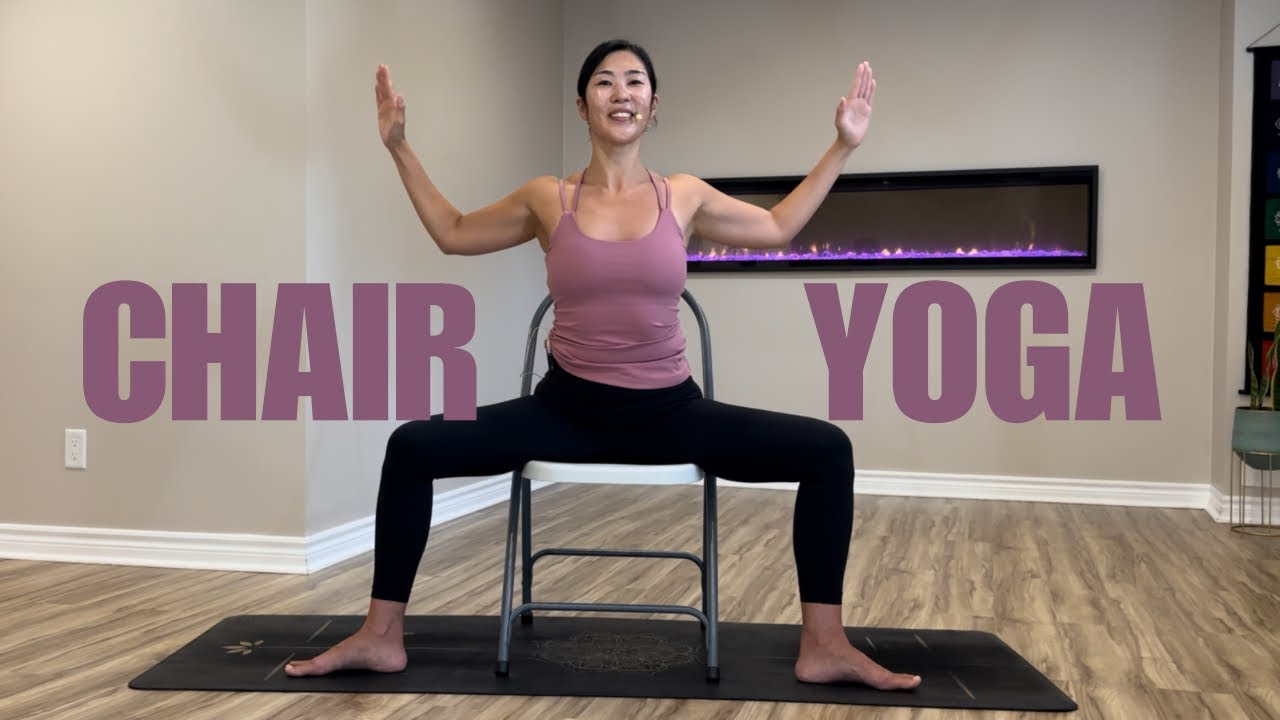
Chair yoga workout
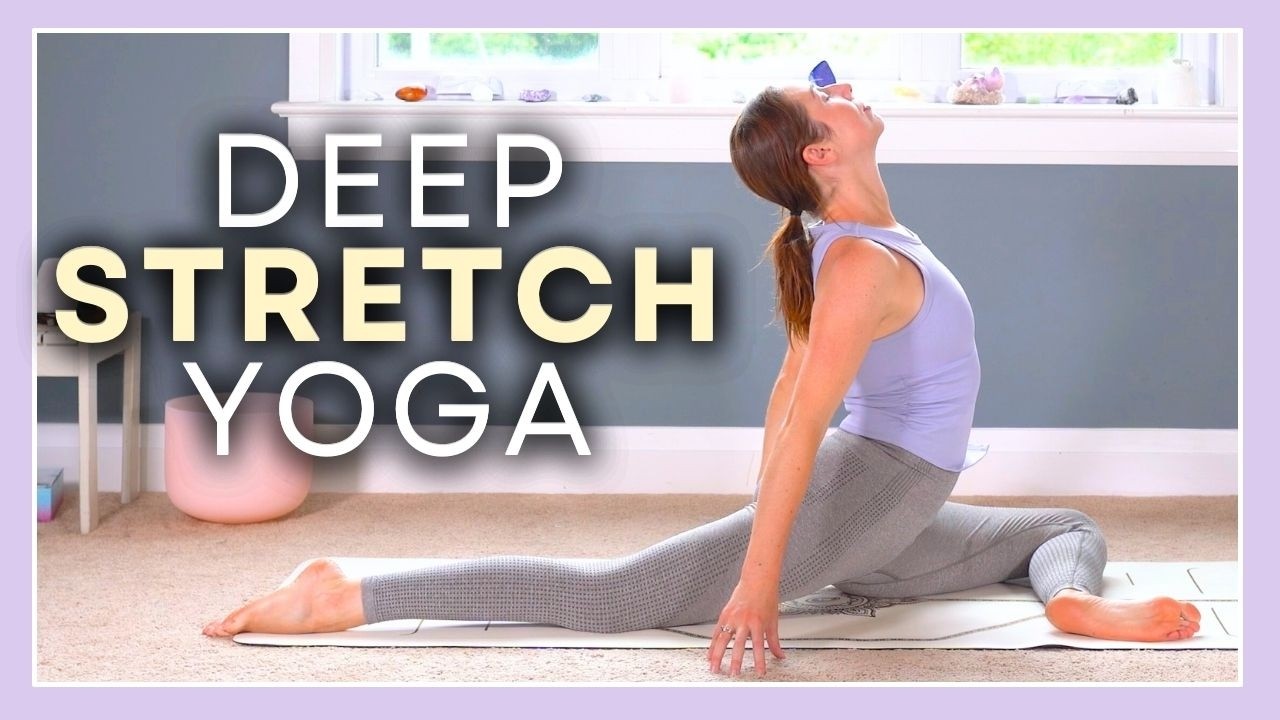
Yoga workout for flexibility
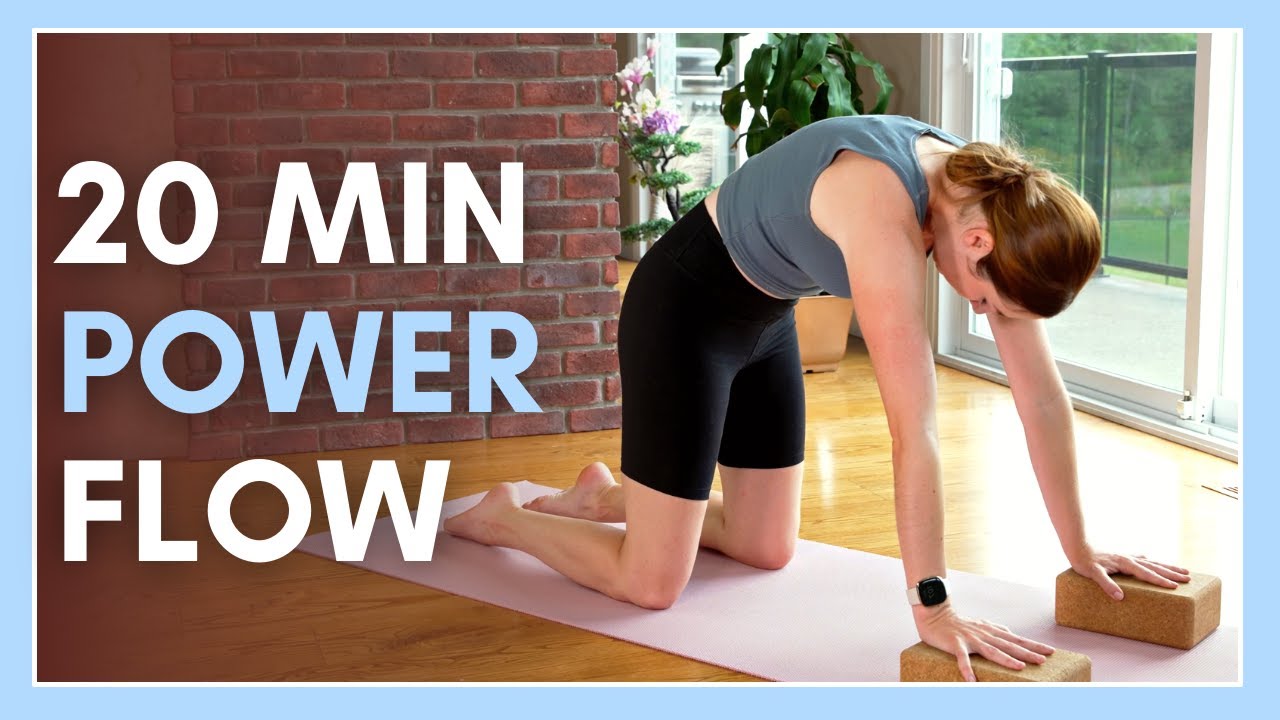
20 minutes of yoga for strength
Tips for doing 20 minutes of yoga regularly
- Go barefoot: "Barefoot is best because there are 200,000 nerve endings in the sole of the foot," says Stevens. "Let them connect to the floor so you can sense the earth beneath you with greater awareness."
- Find a quiet spot: I love to practice yoga in a peaceful spot as I find the stillness makes it easier to connect with both my mind and my body. But Stevens warns, if that quiet is interrupted, don't let it bother you. “If halfway through a meditation you overhear a loud voice next door, notice how your body responds, watch where your mind goes and view your response with kindness, awareness and without judgement or attachment," she says.
- Don't feel you have to invest: A yoga mat might help support your body if you're worried about your joints on the floor, but otherwise, I've found I haven't needed an expensive or specific kit to do my 20 minutes of yoga. Focus on the basics and invest in workout leggings, socks, and studio accompaniments at a later date.
- Find a type of yoga that works for you: “If you are looking for a practice which is less physically demanding, you might look for Restorative yoga, a chair yoga class, or contact your local studio and ask which class they would recommend,” she says. “Most postures can be modified, so if something feels uncomfortable, ask your teacher to help you to adjust it."

You must confirm your public display name before commenting
Please logout and then login again, you will then be prompted to enter your display name.