How to get rid of bamboo roots – 3 ways to ensure they don't come back
We asked the experts how to get rid of this stubborn invasive plant for good


As one of the most stubborn species in the plant world, removing bamboo and killing its roots can seem almost impossible. This is why we spoke to the garden experts to find out how to get rid of the plant for good.
Out of all the possibly invasive plants in your garden, bamboo might be one of them that you'd rather keep around. Bamboo can be one of the best garden fence ideas, but its roots are ruthless and will quickly take over your garden if you let it.
So before your bamboo plant and its roots spread through your entire plot, try out these expert-approved methods to get rid of it and ensure it never comes back.
How to get rid of bamboo roots: an expert guide
In the same way you get rid of weeds in your grass, getting rid of bamboo can become a rather overwhelming task. So finding the right method to suit your budget, situation and preference is really important.
1. Manual removal

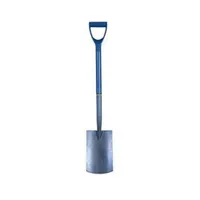
It's time to get your essential gardening tools together and tackle your bamboo the old-fashioned way. Using a manual approach is the best for an eco-friendly and permanent solution, much like getting rid of ivy naturally.
"The usual way to try to kill bamboo, and most importantly the roots, as it will keep regrowing if the roots are left behind, even small parts of the rhizomes, is to cut back the bamboo above ground and dig out the roots from below," explains Lucie Bradley, gardening expert at Easy Garden Irrigation.
"To cut back the canes of bamboo to the ground, you will usually need to use strong, sharp tools, such as heavy-duty loppers or pruning saws, rather than just a pair of secateurs," she adds.
Lucie then says, "Once you have cut the bamboo back, you will need to dig down to reach the rhizomes, which can be at least a meter deep to reach them all. You will also need to cover a large area due to the extensive stretch of rhizomes to make sure you get to all the roots."

With over 28 years working in the garden industry, Lucie has been fortunate enough to spend every day speaking to both amateur and professional gardeners. Encouraged to garden since she was old enough to walk, she believes that you can never know everything about gardening, as it is constantly evolving.
2. Smother the plant
Should you not have the time or the energy to do manual removal, you can also go the smothering route. In another bid to avoid using chemicals, this natural way can help, especially if you're trying out the rewilding garden trend.
"After cutting back bamboo growth above the ground, you can cover the area where it was growing with material which will block out the light - so black plastic, a tarpaulin, sheets or cardboard," explains Lucie.
"By leaving this covering in place for several months, up to a year, you will stop light reaching the roots, so they will not regrow. However, with this method, you need to remember that rhizomes can be dormant for up to three years, so you will need to look out for any new shoots emerging when the covering is removed," she continues.

3. Natural approach

If you're participating in the mosaic trend or even the overgrown gardening trend, then chemicals might not be the route for you. Luckily, other options will avoid too much manual work whilst also keeping harmful chemicals out of your garden completely.
Lucie mentions the boiling water method, she says, "Some gardeners will use boiling water after cutting bamboo to kill the roots. However, this only works on the roots that the water touches directly and as the rhizomes will go deep and over large areas, boiling water will not kill all the roots and is not an instant solution."
Fan of cleaning with vinegar? Lucie says you can also take the power of vinegar outside, too. We know it's regarded as a natural, cheap weed-killer hack, but as it turns out, it's also good for treating bamboo roots.
"Using strong, concentrated, horticultural vinegar to pour over the freshly cut back bamboo will also help to kill the rhizomes by drying them out - but in a similar way to boiling water, this is not totally effective as it relies on your making direct contact with the roots for it to be effective," she finishes.

FAQs
What damage can bamboo roots do to your garden?
Similar to how leatherjackets in your lawn can quickly damage the entire space, leaving bamboo roots for too long can have quite a destructive outcome.
"The main problem with bamboo is that the underground rhizomes spread so fast that they can easily get under your property and your neighbour’s," says Andy Ellis, professional gardener and interior designer at Posh UK.
"This can lead to structural damage as the roots move through the ground and begin to penetrate walls, foundations, and even the floors."
Bamboo rhizomes are underground stems which grow horizontally and produce buds capable of developing into more bamboo shoots. These roots can be particularly stubborn in some cases of them pushing through concrete and asphalt.
Why is bamboo so hard to get rid of?
Like most invasive plants, bamboo is hard to get rid of for a number of reasons.
"The extensive root system and rapid growth don’t help, especially since the roots can spread up to 30 feet away from the parent plant," Andy explains. "The worst thing is the fact that bamboo has regenerative abilities."
He points out that even the smallest fragments of rhizomes left in the ground can be used to heal and repair the bamboo, which will make it stronger and allow new shoots to appear.
He explains, "It’s even resistant to most herbicides - making it an absolute beast to try and permanently remove." This is why you'll need to do your research when choosing the chemical removal route; using a herbicide that isn't aggressive enough will only leave you with lacklustre results.

How can you stop bamboo from coming back?
Luckily, there are several ways you can keep the bamboo away once you've finally tackled it. Whether you want to prioritise sustainable garden ideas with more natural solutions or are happy to take the chemical route, Lucie shares some ideas to stop the roots from returning.
"It can take years from initially cutting back the bamboo and removing the rhizomes before it will stop coming back. Every spring, you will need to check to see if pieces of rhizome have sent up new shoots and cut these back to stop them from sending energy back to the rhizome," starts Lucie.
"Then locate the culprit piece of rhizome and remove it from the ground. Doing this time and again, year after year, should eventually stop bamboo from reappearing," she adds.
"As a last resort, some gardeners will use herbicides to help kill bamboo, applying products such as Roundup to the cut edge of bamboo when it has been cut down. But even using chemicals like this, it can still take up to three years to completely eradicate bamboo," finishes Lucie.
Should you still be struggling to get rid of your bamboo after trying these expert removal methods, then it's recommended you consult a professional. They can help with the manual removal, as well as knowing what type of herbicide formulation is needed for your specific species of bamboo.
