I swear by the one-category-at-a-time decluttering method after finally clearing my winter clutter
If you never know where to start when streamlining your space, try this


This time of year always gives me the itch to declutter. As the days start to feel lighter (finally), the clutter I've blissfully ignored all winter - those overflowing toy baskets and a hallway full of bulky coats – suddenly feels far more obvious.
I'm always on the lookout for realistic home organisation ideas, so when I came across the one-category-at-a-time decluttering method, it felt like the perfect low-pressure way to channel seasonal motivation.
Rather than tackling an entire room in one go, the idea is to focus on one type of item at a time – Kids' books today, winter coats tomorrow, kitchen utensils the next day. This creates a structured but gentler way to declutter your home without the usual overwhelm. Among the many professional decluttering methods out there, this one stood out for how manageable it felt.
What is the one-category-at-a-time decluttering method?
As you can probably guess from its name, the one-category-at-a-time decluttering method involves gathering like with like so you can see everything you own within a specific category before making decisions.
Unlike traditional room-by-room clear outs, it's one of several professional techniques to keep homes tidy that focuses on clarity before action.
"Instead of decluttering room-by-room, you focus on one clearly defined group of items," explain Ingrid Jansen and Lesley Spellman, founders of The Declutter Hub. "For example, all drinking glasses or all long-sleeved tops. By bringing items together from different areas of the home, you gain full oversight of what you have."
Many people are surprised by how many duplicates they have once everything is visible in one place, add Ingrid and Lesley. "This clarity makes decision-making far easier and more intentional."
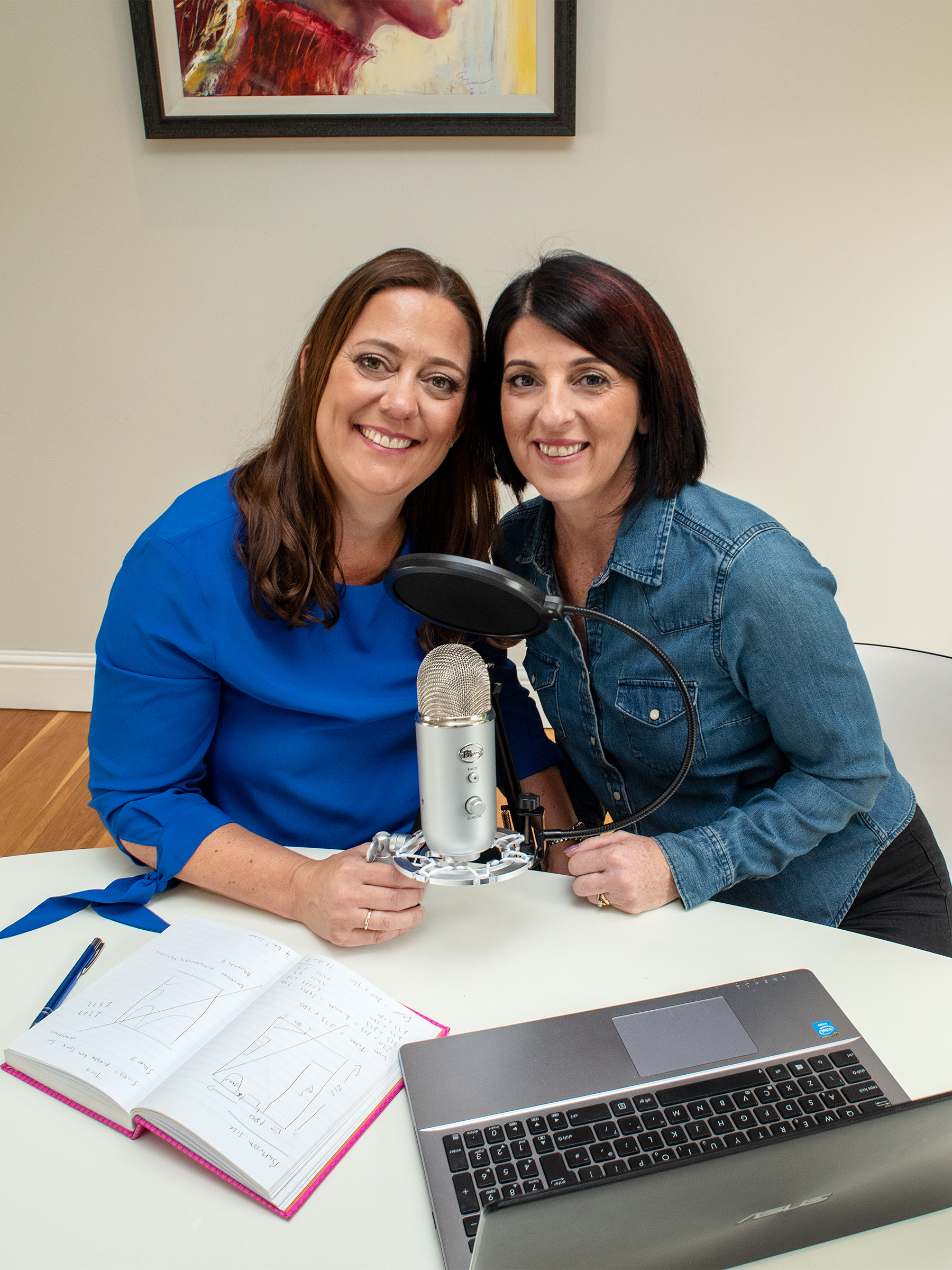
Decluttering experts Lesley Spellman and Ingrid Jansen, founders of The Declutter Hub, are the authors of the bestselling Bloomsbury book Reset Your Home, Unpack Your Emotions And Your Clutter, Step By Step.

"When using this method, you might work on several areas of your home at the same time, if items from the same category are not stored together in one place," adds Hester Van Hien, home decluttering and organising consultant, and founder of Tidylicious.
If you've dipped your toes into decluttering before, you've probably heard of the KonMari Method, developed by Japanese tidying expert Marie Kondo. "It's probably the most well-known one-category-at-a-time decluttering method," adds Hester. It focuses on sorting areas by type, rather than by room, helping you see exactly what you have and make more intentional decisions.

Hester Van Hien from Tidylicious is a Home Decluttering and Organising Consultant based in London. She uses a methodical approach to transform homes into calm, clutter-free spaces. Hester did her training with Japanese tidying expert Marie Kondo, who developed the KonMari Method®. Besides working 1:1 with clients in their homes and online,
Where to start with the one-category-at-a-time decluttering method?
"The biggest or quickest wins really depend on the household, as everyone’s inventory is different," says Shannon Murphy, founder of Simpl Living Co.
Shannon suggests starting with an easy category, such as bathroom products, which tend to be contained spaces with practical items, not sentimental ones.
"For families, decluttering toys in a playroom can have a huge visual and mental impact; children can play more easily and feel less overstimulated when there are fewer options," she adds.
Trying the one-category-at-a-time decluttering method
When it came to putting the one-category-at-a-time decluttering method to the test, my instinct was to tackle the hallway full of coats, but after speaking to the experts, I parked the idea and started with a less emotional category instead.
"Kitchens are often a great place to begin because most decisions are practical rather than emotionally led," Ingrid and Lesley told me.
I'll admit, organising my kitchen drawers wasn't exactly at the top of my spring cleaning list, but it proved the perfect warm-up, and it didn't take longer than 10 minutes.
I don't consider myself a hoarder, but after emptying the cutlery drawer, the duplicates were impossible to ignore. I found extra pizza cutters, ten (yes, ten!) random straws, four bottle openers (I genuinely can't even remember the last time I used one), and a handful of rogue utensils that had crept in from other areas of the kitchen.
Seeing everything together made decisions surprisingly straightforward - and what I hadn't expected was that it highlighted the gaps too - namely, a serious shortage of teaspoons.

An expandable cutlery drawer, like this Lakeland model. keeps knifes, forks and spoons separate - and helps you spot duplicates as soon as you empty the drawer.
Feeling motivated to declutter other areas, I decided to put the one-category-at-a-time method on the mountain of winter coats. As a family of five, I knew we had a lot of coats between us, but it wasn't until I pulled everything out that the sheer volume hit me.
With Hester's advice to gather everything before deciding in my mind, I collated all the coats stored elsewhere - in the children's wardrobes, on the upstairs coat hook, and tucked away in corners. "Seeing the full picture of what you have often changes how you feel about keeping items," Hester pointed out.
To say I was shocked at the amount of coats would be putting it lightly – they practically covered my living room floor! There were duplicates I'd forgotten about, coats that hadn't seen the light of day in years, and a few that were long outgrown.
By the time I'd sorted, folded, and returned the keepers to the hallway, the transformation felt dramatic. The space felt calmer, more open, and surprisingly inviting to feel like a welcoming hallway once more.

I'm not exaggerating when I say the kids toys in my home seem to multiply overnight - it's one area I constantly struggle to keep on top of. Putting the one-category-at-a-time decluttering method into practice did leave me questioning if I'd been approaching it all wrong.
When I do attempt a clear-out, I tend to dive in and tackle everything at once. But as Ingrid and Lesley explained: "Vague categories lead to distraction and decision fatigue."
Focusing solely on my toddler's books - rather than the entire contents of the toy boxes and baskets - immediately made the task feel more manageable. Gathering them from her bedroom,, the living room, and even the car(!), was the most time-consuming - but seeing them all together made decisions straightforward and rewarding.

A large collapsable crate makes collecting items from multiple areas (such as books) much easier.
Verdict
Trying the one-category-at-a-time method was far easier - not to mention quicker - than I was expecting. The kitchen cutlery drawer, hallway of coats and kids' books all took no more than 15-20 minutes each.
The most time-consuming part was gathering items from the same category from different areas of the home, but it was worth it. Seeing everything in one space - something I'd never considered doing before - was surprisingly useful. And if I'm being completely honest, it was pretty eye-opening seeing just how many duplicates I'd accumulated..
The real win wasn't just the physical tidiness - it was the mental lift. As a family of five living in a three-bedroom home, I feel like I've found the ideal way to organise a small space. Breaking the categories down helped enormously; rather than attempting to tackle all of the kids' toy boxes at once, I separated them into books, games, soft toys, and so on. It made the process more manageable and far less daunting.
I'm yet to tackle the more sentimental areas - the kids' artwork, for example, but I'm hoping having everything in one place will make decision-making easier.
Pro tip: Professional declutterer Shannon Murphy recommends starting somewhere that feels achievable. "Tackling a category with a massive quantity of items first can feel overwhelming and might put you off continuing. It’s also wise to avoid areas with sentimental items at the beginning, as these tend to be more emotionally challenging to sort through," she says.
FAQs
Why does decluttering by category work better than by room?
Decluttering by category means dealing with all items in the same category in one go, rather than having to handle certain items several times," explains Hester Van Hien from Tidylicious.
For example, if shoes are stored in the bedroom, hallway, and under-the-stairs, a room-by-room approach means tackling shoes three times.
By gathering everything in one place first, you can properly assess what you own. "Letting go of items will become easier, because you can see that you’re still keeping enough," adds Hester.
It also makes comparison easier. "When similar items are together, it's simpler to identify your favourite and let go of the ones you only like so-so." By contrast, decluttering by room or area often leads to holding onto more than you need."
What mistakes do people make using the one-category-at-a-time decluttering method?
One of the biggest mistakes, according to The Declutter Hub's Ingrid and Lesley, is simply starting too big. The temptation to tackle large categories, or even multiple ones at once, can quickly undo the calm, focused nature of the method. "Ultimately veering towards aiming to complete a whole room quickly recreates overwhelm," they explain.
A lack of clarity around what you're decluttering can also slow progress. "Vague categories lead to distraction and decision fatigue."
Instead, the power of this method lies in keeping things small and specific. "Small, clearly defined categories create progress that feels achievable and that sense of achievement is what builds long-term decluttering confidence," say Ingrid and Lesley.
Will you be giving the one-category-at-a-time decluttering method a go? Or does it not suit your decluttering style? Take our quiz below to find out which method would better suit you...

You must confirm your public display name before commenting
Please logout and then login again, you will then be prompted to enter your display name.