

Sign up to our free daily email for the latest royal and entertainment news, interesting opinion, expert advice on styling and beauty trends, and no-nonsense guides to the health and wellness questions you want answered.
You are now subscribed
Your newsletter sign-up was successful
Want to add more newsletters?
Actress Kara Tointon said it was a “no-brainer” for her to choose to have a double mastectomy and her fallopian tubes removed after finding out she was a carrier of the cancer-causing BRCA gene mutation.
The 42-year-old’s mum and aunt both died from breast cancer. She said there was a feeling that there must be a genetic link to women in their family developing the disease. Speaking on ITV’s Good Morning Britain, Kara says “her mum always believed she was going to die of cancer, but she didn’t know about the gene” and “didn’t want to know”.
But Kara, who has two children, said she needed to know if she’d inherited it so she could decide the next step. “For me to be able to be given the opportunity and make the choice, and seeing what it’s done for my family, in all honesty, it was a no-brainer for me,” she explained to hosts Susanna Reid and Ed Balls. She had the surgery last year, but has only recently been speaking about it.
A post shared by Good Morning Britain (@gmb)
A photo posted by on
Everyone has the BRCA1 and BRCA2 genes, but mutations in these genes cause breast and ovarian cancer in women. More than 60% of women who inherit a harmful change in BRCA1 or BRCA2 will develop breast cancer during their lifetime, according to the National Cancer Institute. It also affects women at a much younger age than people who don’t have the variants.
Hollywood actress Angelina Jolie underwent a double mastectomy in 2013, aged 37, after she discovered she carried the faulty BRCA1 gene. Her mother died from complications relating to ovarian and breast cancer in 2007, aged 56.
“Everyone has been very kind, and people say that I’ve been brave, and I suppose I just see that I’ve had a lucky shot,” she said.
The NHS says around 1 in 400 people carry a BRCA1 or BRCA2 mutation and there’s a 50% chance that the BRCA gene will be passed down genetically. Kara’s sister, Hannah, was also tested and doesn’t have the faulty gene. “My sister was so upset she didn’t have it - because she wanted us to go through it together,” she said. “But of course we have gone through it together, and she’s held my hand every step of the way.”
Sign up to our free daily email for the latest royal and entertainment news, interesting opinion, expert advice on styling and beauty trends, and no-nonsense guides to the health and wellness questions you want answered.
Preventative surgery, such as the double mastectomy and bilateral salpingectomy (removal of fallopian tubes), is the best way to cut your risk of getting cancer. The charity Macmillan Cancer Support says a double mastectomy lowers the risk of breast cancer in BRCA1 or BRCA2 carriers by 95%.
The surgery involves the removal of the breast tissue on both sides, with the option to have your breasts reconstructed or not. Reconstruction is covered on the NHS and can be done using breast implants or by using tissue from another part of your body.
Kara said: “My message to people is that making that first appointment and that first call is the hardest part of the process. Once you’ve done that, you’ve done your bit, and actually it’s left to the professionals.”
“Don’t be scared because facing things is empowering", she said in a message to those who might be in a similar situation and feeling unsure what to do.
If you have any concerns or questions, speak to your GP, who will be able to tell you the best steps forward for getting tested and whether you need enhanced screening or risk-reducing surgery.
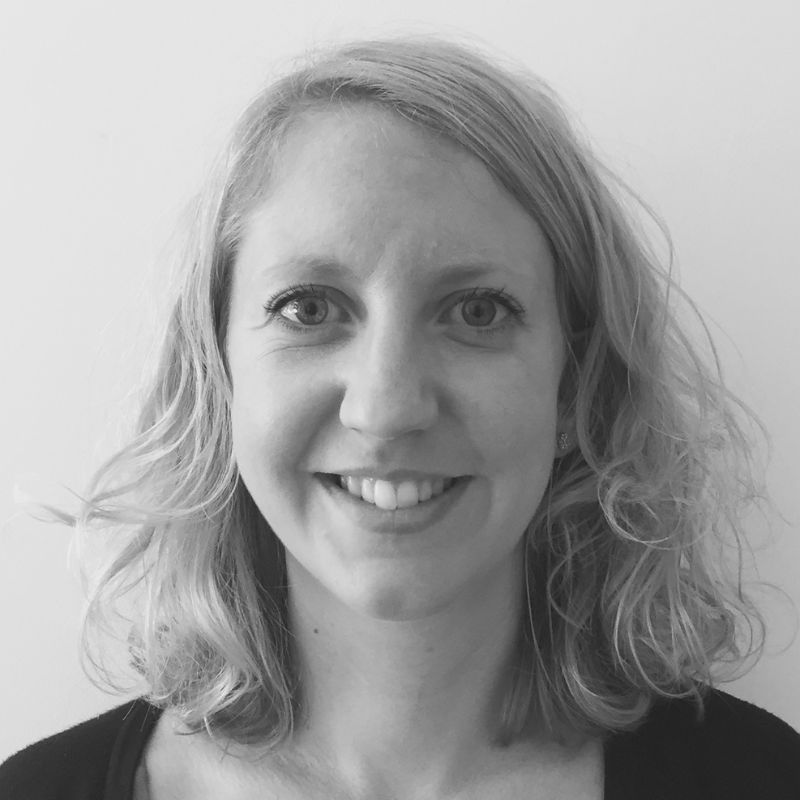
Kat Storr has been a digital journalist for over 15 years after starting her career at Sky News, where she covered everything from world events to royal babies and celebrity deaths. After going freelance eight years ago, she now focuses on women's health and fitness content, writing across a range of UK publications.
From perimenopause to the latest fitness trends, Kat loves researching and writing about it all. She's happy to give any fitness challenge a go and speaks to experts about wellbeing issues affecting people every day.
You must confirm your public display name before commenting
Please logout and then login again, you will then be prompted to enter your display name.