Is pasta water good for plants? Horticulture experts reveal the truth behind the 'sustainable hack'
We asked plant experts if this sustainable watering hack is more of a hindrance than a help and here's what they said


Is pasta water good for your plants? A question you may have asked after considering all the great benefits your plants get from your other food waste, but is this starchy drink just as beneficial?
Knowing how to care for plants can be more complicated than you first realise, from how often you should water your indoor plants to avoiding all of the most common houseplant mistakes. Keeping your leafy friends happy can seem impossible.
So when we look to finding ways of increasing their health, such as providing extra nutrients, it can feel like quite the risk. With that in mind, we spoke to the plant professionals to get all the information on what pasta water can do for your plants and if you should be reusing it.
Is pasta water good for plants?
Unlike using coffee grounds in your garden or making use of orange peel in the garden, pasta water doesn't really offer many extra nutrients, especially when used on house plants.
Reusing the water from your pasta can help you save water, which is eco-friendly and handy if you’re on a water meter. However, the experts say it won’t provide your plants with any direct benefits apart from the moisture.
"There is no scientific research into this, and I would take the balanced view that this hack is no substitute for watering with clean water and maintaining a regular feeding schedule with a balanced fertiliser. Also, pasta water is often starchy and would leave a residue on the soil surface of houseplants, which will look gross and lead to unwanted mould," says Plant Doctor and horticultural expert at Patch Plants, Kelly Dyer.
It's especially important you don't use pasta water on houseplants in smaller containers, this is because they can be more sensitive to the type of water and nutrients they're given, especially the hardest houseplants to keep alive.
The nutrients that are present in the pasta water, potassium, magnesium and phosphorus are important and can help a growing plant, but there's not enough of these found in pasta water.
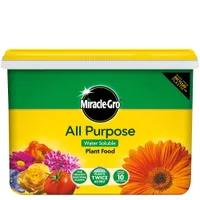

What are the disadvantages of using pasta water on plants?
Whilst the advantages of using pasta water on your plants are somewhat slim, the disadvantages and risks are far more prominent. Unlike using teabags in your garden or using banana peels in the garden, pasta water can do a little more harm than good if not used properly.
Aside from possible mould growth, the starch and oil in the pasta water can cause your plant distress.
In short, pasta water can generally not do much for your plants. Whilst there is some nutritional value that plants can benefit from, the amount is too small to make a worthwhile difference. So it's recommended you instead use clean, distilled water, especially when it comes to the care of your houseplants.
Instead of using pasta water, why not try rainwater harvesting, as it's a natural way of collecting naturally nutrient-rich water for both your indoor and outdoor plants? Then you won't have to wonder why your plant has grown mould on the top of its soil.
