I tried the 'chaos decluttering method' to reset my home – it's brutal, but surprisingly effective
Mess first, order later: why this chaotic method might just work


As a mum of three, I'm no stranger to clutter – and even more so, the constant battle to keep it under control. Over the years, I've tried plenty of decluttering methods in a bid to find manageable, realistic ways to keep on top of everyday mess. So when I came across the Chaos Method, it immediately caught my attention.
Advice on decluttering your home usually promises calm, order and serenity - not chaos. But the Chaos Method takes a surprisingly different approach. Rather than sorting through everything one-category-at-a-time, the technique encourages you to empty everything out of a space at once, creating a temporary mess so you can see exactly what you're dealing with.
What is the Chaos Decluttering Method?
The chaos decluttering method was created and popularised by organiser Kim Jones of Lock & Key Home – though the concept may feel familiar if you've watched Stacey Solomon's Sort Your Life Out.
"The chaos decluttering method is essentially where you pull everything out of a space at once so you can see exactly what you’re dealing with before sorting through it and putting things back," explains professional home organiser, Rebecca Crayford.

Rebecca Crayford is the founder of RCLM, a lifestyle management business helping busy, midlife women reclaim their time by decluttering, getting organised, and putting simple systems in place to make daily life run more smoothly. With a background in marketing and advertising, Rebecca understands the pressures of modern life and offers a friendly, practical approach to creating space – both physically and mentally.

Wondering where to start with the chaos decluttering method? Professional organiser, Shannon Murphy, recommends easing in gently rather than jumping straight into a huge space.
"Start by emptying something small, like a drawer, and gradually build up to larger areas such as a wardrobe or kitchen cupboards," she advises.
When you do tackle a space, Shannon suggests emptying it completely so you can clearly see everything you own, before sorting items into simple categories such as keep, donate, sell, or recycle.
"It’s also helpful to set a realistic time window and have bags or boxes ready beforehand so unwanted items can leave the space quickly. Finally, only return items that have a clear purpose or designated place," she adds.
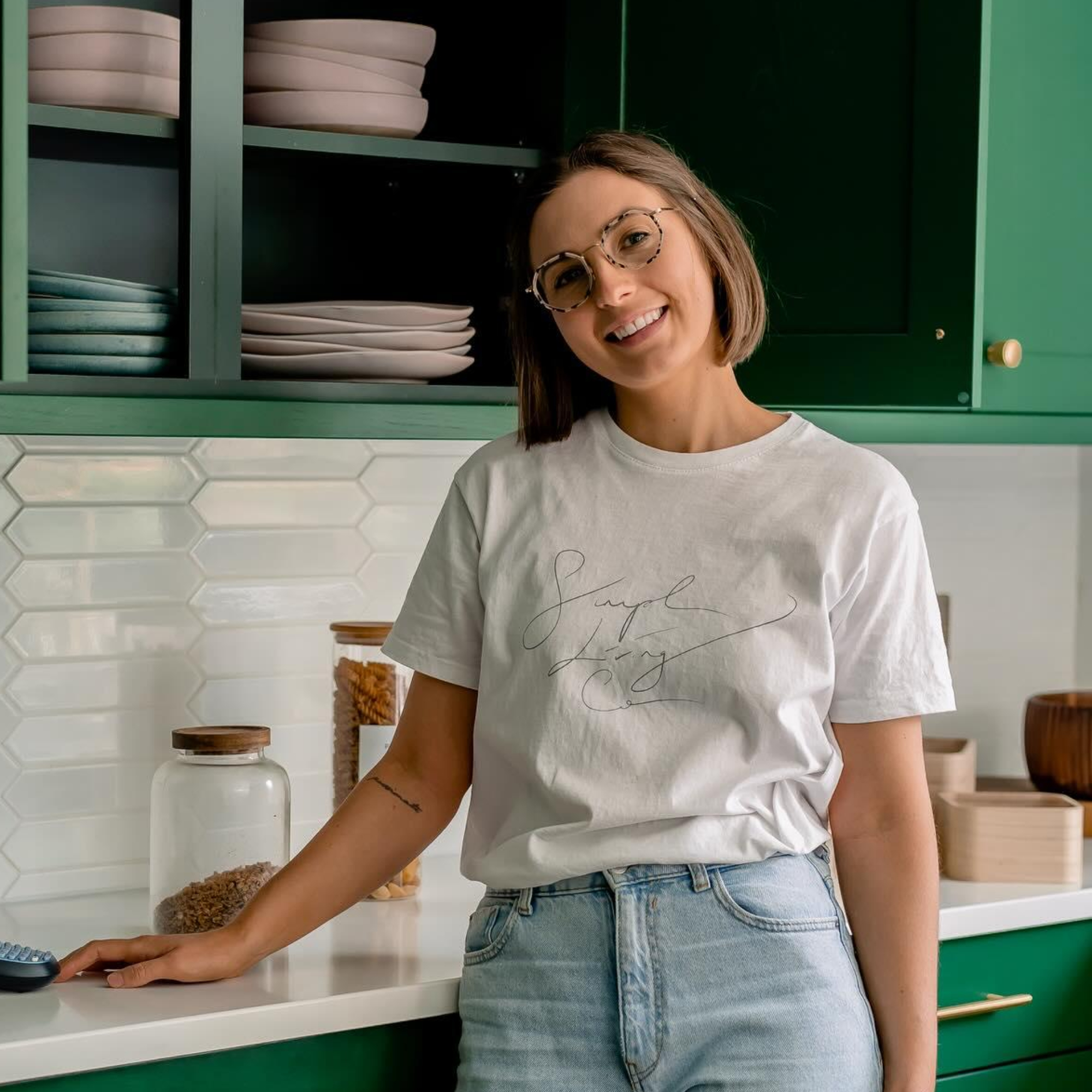
Shannon Murphy is the founder of Simpl Living Co, a minimalist-minded professional organiser based in West Sussex. Her mission extends beyond merely assisting individuals in decluttering, although that is an important aspect. Her overarching goal is to empower people to adopt a life free from the societal stereotype that buying more will make you happy.
What are the benefits of the Chaos Decluttering Method?

While the idea of emptying a space entirely can sound overwhelming, the chaos decluttering method offers surprisingly useful benefits.
Professional organiser Rebecca Crayford says seeing everything laid out at once makes it easier to spot duplicates, forgotten items, or things that no longer belong. "It’s also a good reminder that everything should have a home," she explains. "Batteries are a classic example, they often end up scattered across different drawers, when actually it saves so much time if they all live in one place. No more wasting precious minutes searching for them, or re-buying because you can’t find them."
Rebecca is even a fan of the approach herself – but she says the key is to focus on small, contained areas. "I use this approach myself, but usually only for small, contained areas like decluttering drawers or a smaller wardrobe."
However, she warns that trying to apply the method to larger spaces can quickly become overwhelming, particularly if you're already stretched for time. "Decluttering shouldn’t leave you feeling like your house has exploded!"
With Rebecca's advice in mind to start small, I was feeling motivated to declutter and ready to put the Chaos Method to the test.
Trying the Chaos Decluttering Method
I decided to tackle one of the most clutter-prone areas in my house: the kitchen. A few of the cupboards and drawers had slowly become catch-alls, the junk drawer overflowing, pots and pans had migrated to random corners, and the under-sink drawer had descended into complete chaos.
To tackle each space, I followed the core principles of the chaos decluttering method:
- Choose a small, defined area: I started with the junk drawer
- Empty everything out so I could see everything I had
- Sort into simple categories, such as keep, donate, bin
- Return only items with a clear purpose or home, removing anything unnecessary

I won't lie, pulling everything out of the drawer at once felt a little unnerving at first. But once I could see everything in front of me, it was much easier to spot duplicates, long-lost items, and things that clearly didn't belong there. Although it was only a small drawer, it was pretty crammed, so tackling it felt really satisfying – and to my surprise, it only took about 10 minutes.
Next, I repeated the process with my cookware drawer, pulling every single item out and separating them into the relevant keep, donate and bin piles.
The cupboards were a bigger challenge. I feel like I'm constantly battling to keep the kitchen cupboards organised, and I can't remember the last time I emptied them completely. Seeing each shelf cleared out and discovering expired tins, forgotten ingredients and random items I didn't even know I had was a little overwhelming – but I reminded myself to trust the process. In total, the cupboards took around half an hour to sort, which, although longer than the drawers, was still a manageable chunk of time.
By the end, even these clutter hotspots felt calmer and much easier to navigate, and it was rewarding to see everything organised from scratch.

Keep cupboards and shelves clutter-free with a set of storage baskets. These woven VonHaus baskets are stylish enough that you don't even need to hide them away.

I can't get enough of organiser trays, like these from Amazon, when it comes to keeping everything in its own designated spot.

Maximise cupboard space with a simple 3-tier shelf - it's made a difference in my kitchen, helping to keep everything visible and easy to reach.
My verdict: Should you try the Chaos Decluttering Method?
Would I recommend the chaos decluttering method? Absolutely – but with a few caveats. It can make a huge difference in highly cluttered areas, and there's something genuinely satisfying about seeing a drawer or cupboard transform from chaos to calm.
That said, if you're someone who struggles with a lot of mess, it might not be the decluttering method for you. For anyone trying it for the first time, I'd advise starting with a small, manageable area. Even just one drawer or a single shelf can create a sense of accomplishment and the confidence to tackle the next space.
Personally, now I've tried it and seen the results, I'll definitely be using it again, but only for small, contained areas. The thought of attempting my under-stairs cupboard this way makes me feel very nervous. And that's without thinking about just how time-consuming it would be.
Pro tip: Professional declutterer Rebecca Crayford says it’s important to think about timing. "One of the biggest mistakes I see is people pulling everything out of a cupboard when they’re already tired, short on time, or have people coming over later that day," she says. "Decluttering often takes longer than you expect, so it’s worth making sure you have enough time not just to sort things out, but to put everything back properly."
For me, the chaos decluttering method proved that making a temporary mess can really lead to a calmer, more organised space – as long as you start small and give yourself enough time to finish the job.
What mistakes do people make with this method?
One of the most common pitfalls when decluttering – whether you're trying the one-touch tidying rule or the 1-3-5 decluttering method – is taking on too much. The Chaos Method is no exception, either.
"One of the most common mistakes is taking on too large an area at once, which can quickly become exhausting and lead to decision fatigue," professional declutter Shannon Murphy says.
She also warns against pulling everything out of a space only to put most of it back without properly questioning whether it’s truly needed or wanted.
Who is the Chaos Decluttering Method best suited to?
This method is best suited to people who don’t feel overwhelmed by seeing a large number of items all in one place, and those who can dedicate more time to decluttering, says Shannon.
"I’d usually recommend it for people who have decluttered before and feel confident in their decision-making," she advises. "If someone is prone to getting bored or overwhelmed halfway through, there’s a higher risk they’ll stop before finishing and be left with an even bigger mess."
Will you be giving the chaos decluttering method a try? Or do you prefer a slower, more methodical approach to decluttering?

You must confirm your public display name before commenting
Please logout and then login again, you will then be prompted to enter your display name.