How to care for a Venus fly trap - plant experts share their tips and tricks
Looking after this curious carnivorous plant is a little more complex than you may think


Looking to introduce more unique plants into your collection? The Venus flytrap is a great option, although you might want to learn how to care for it before you take the leap.
Venus flytraps are not exactly one of the easiest houseplants to keep alive; they require a special amount of care and specific conditions to be met.
Similar to how to care for an orchid, it's not just a matter of watering and feeding but also creating their desired atmosphere.
With this in mind, we asked the plant experts to tell us their foolproof way of looking after Venus flytraps and ensuring they thrive.
How to care for a venus flytrap
Whilst you may have mastered how often you should water your houseplants, looking after a Venus flytrap can pose a few more obstacles than a water routine.
Here's a simple care guide to follow that will guarantee a happy plant...
1. Provide plenty of sunlight

Sunlight exposure can have a huge impact on a plant's health; in fact, it's the number one reason why your peace lily tips can go brown. So it's no surprise it has such an effect on Venus flytraps, too.
Gardening and plant expert at Fantastic Gardeners, Petar Ivanov, says, "They thrive in full sunlight, and it’ll be most beneficial for them to place them in a sunny location, for example, a sunny south-facing windowsill, where they can get direct sunlight for around 4 to 6 hours a day."
If you're unable to find a perfect spot, Petar recommends using artificial light like fluorescent or LED grow lights, which will provide the plant with enough light. However, he warns to keep the lights at least 10 to 18 centimetres away from the plants.

Petar has been a gardening and plant expert at Fantastic Gardeners for over 8 years, he is now one of the company's top-performing experts and manages over 6 teams of gardeners. He works on creating stunning landscapes and prioritises sustainability in his gardening methods.
2. Ensure the right soil mix
A plant's soil mix can make all the difference and the reason why it's important to know when to repot a plant as the soil provides key nutrients.
"Venus fly traps need a well-draining, acidic soil mix, such as sphagnum peat moss and perlite or sand mixture, which is most commonly recommended. In any case, avoid using regular potting soil, because it can be too nutrient-dense and harm the plant," explains Petar.
Knowing how to repot your plant into well-draining soil will allow it to improve its overall health and ability to grow.
3. Control external conditions

Unlike how to care for a peace lily, the Venus flytrap requires a more exotic climate in order to thrive. The plant is a perennial native to the swampy regions of the Carolinas in the United States.
Petar explains that here they grow in nutrient-poor, acidic soils and replicating these conditions as closely as you can will be the best way of maintaining your plant's health.
He says, "Also, make sure to keep the soil consistently wet, but not waterlogged, and use distilled or rainwater to water them because tap water usually contains minerals that can harm the plant over time."
It's also important to maintain a high humidity level; for this, Petar recommends either a humidifier or simply keeping a bowl of water near your plant.
Along with humidity, you will also need to keep the temperature around 21 to 35 degrees. Unless it's winter, the plant can then survive in temperatures as low as 4 degrees due to its dormancy phase.

4. Avoid feeding
Unlike other plants, Venus flytraps don't actually need extra feeding. Fertiliser is a great way to give other houseplants a boost; however, it can be a little too overwhelming for other plants.
"When it comes to feeding, adding fertiliser to the soil of Venus Flytraps isn’t necessary and generally recommended because they usually get their nutrients from the prey they catch," starts Petar.
"While Venus Flytraps can capture insects on their own, they can benefit from occasional feeding as well. Feed them live insects, such as small flies, ants or spiders, once every 4 to 6 weeks during the growing season, which is during spring and summer, but avoid triggering their traps unnecessarily, because each one has a limited number of "closes" before it becomes ineffective," he adds.
As mentioned above, these plants thrive in poor-quality soil as they cannot tolerate nutrients, so it's best to avoid using fertiliser or any type of plant food.
5. Observe winter dormancy

Something unique to the Venus flytrap is its winter dormancy. Unlike caring for plants that live by a normal cycle, these plants have a natural process where they go dormant during the winter months. It's a similar story for lawns, which is why the most common lawn care mistakes occur due to unawareness.
"It’s important to also note that Venus Flytraps require a winter dormancy period. During this time, which typically happens from late fall to early spring, the plant slows down its growth, and some of its leaves turn black and wilt. This is completely normal because the plant usually survives the cold weather with a swollen stem under the soil surface," says Petar.
FAQs
Can a Venus fly trap hurt me?
Whilst these plants are renowned for their carnivorous diet and may not be on the list of the best indoor plants for your health and well-being, they're no threat to humans.
What pests and diseases can a venus fly trap get?
Although Venus flytraps are happy to live in low-quality soil and swampy conditions, there are some pests and diseases that can kill or damage them. Just like pests can be a cause for mould growing on your plant's topsoil, fly traps can be affected by them.
"The pests and diseases to keep an eye out for include aphids, spider mites and fungus gnats. While these plants aren’t usually bothered by many pests, they can still attract some," says Petar.
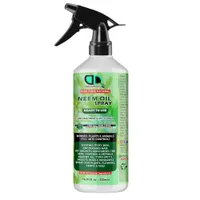
To get rid of aphids, Petar suggests submerging your plant in water for 2 days and repeating this after a week. Should you have a rather severe infestation on your hands, then consider applying insecticide or neem oil, which can also repel spider mites.
Another important care point that will only arise should your Venus flytrap produce a flower is the pruning of the plant. You should remove any and all flowers, as this will divert energy away from the plant itself, which affects growth and health.
