Most new runners forget this important exercise to avoid injury - expert PT reveals her favourite 5 moves
Avoiding injury, discomfort, and even minor niggles as a runner is about more than just stretching, says Les Mills' Lyndsey Hunter-Long


You are now subscribed
Your newsletter sign-up was successful
Want to add more newsletters?

Daily (Mon-Sun)
woman&home Daily
Get all the latest beauty, fashion, home, health and wellbeing advice and trends, plus all the latest celebrity news and more.

Monthly
woman&home Royal Report
Get all the latest news from the Palace, including in-depth analysis, the best in royal fashion, and upcoming events from our royal experts.

Monthly
woman&home Book Club
Foster your love of reading with our all-new online book club, filled with editor picks, author insights and much more.

Monthly
woman&home Cosmic Report
Astrologer Kirsty Gallagher explores key astrological transits and themes, meditations, practices and crystals to help navigate the weeks ahead.
Whether you've been running for five minutes or five years, strength training is essential for improving stability, reducing injury risk, and making movement feel easier.
It can be tiring to think that you have to pick up your dumbbells or go to the gym if you're already exercising more than you normally would, but trust us, it makes a world of difference. "Strength training for runners isn't just about building power. It's about creating muscle and joint resilience," says Lyndsey Hunter-Long, a trainer with Les Mills.
Strength training for runners
1. Squats
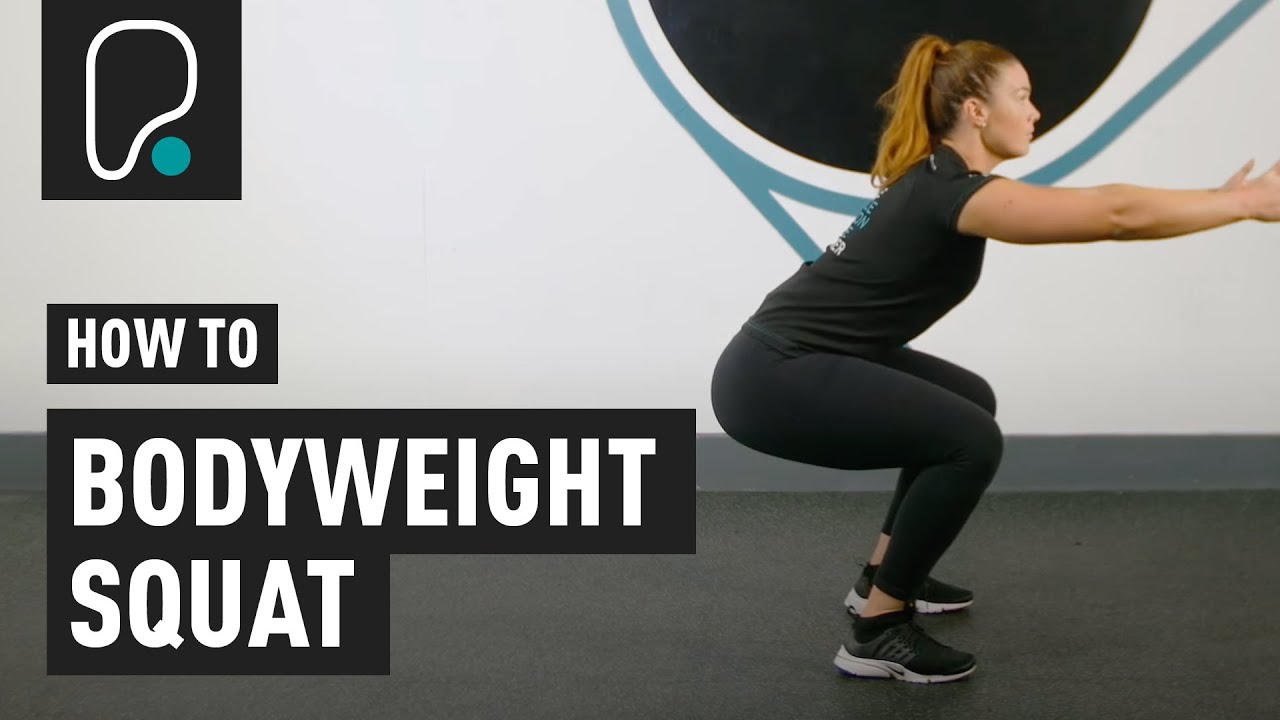
Squats are a quadriceps exercise and a glute exercise, as well as working the calves and hip flexors. This makes them a compound movement, meaning they work multiple muscles at once.
"They build quad and hip strength for better knee stability and shock absorption," says Lyndsey.
Here's how to do a squat:
- Stand with your feet shoulder-width apart.
- Keep your chest up and shoulders back.
- Lower your hips back and down as if you're sitting into a chair.
- Keep your knees in line with your toes and avoid letting them collapse inward.
- Go low as your flexibility allows without rounding your lower back.
- Push through your heels to return to the starting position.
- Repeat for 8 to 12 repetitions, for 3 sets.
2. Deadlifts
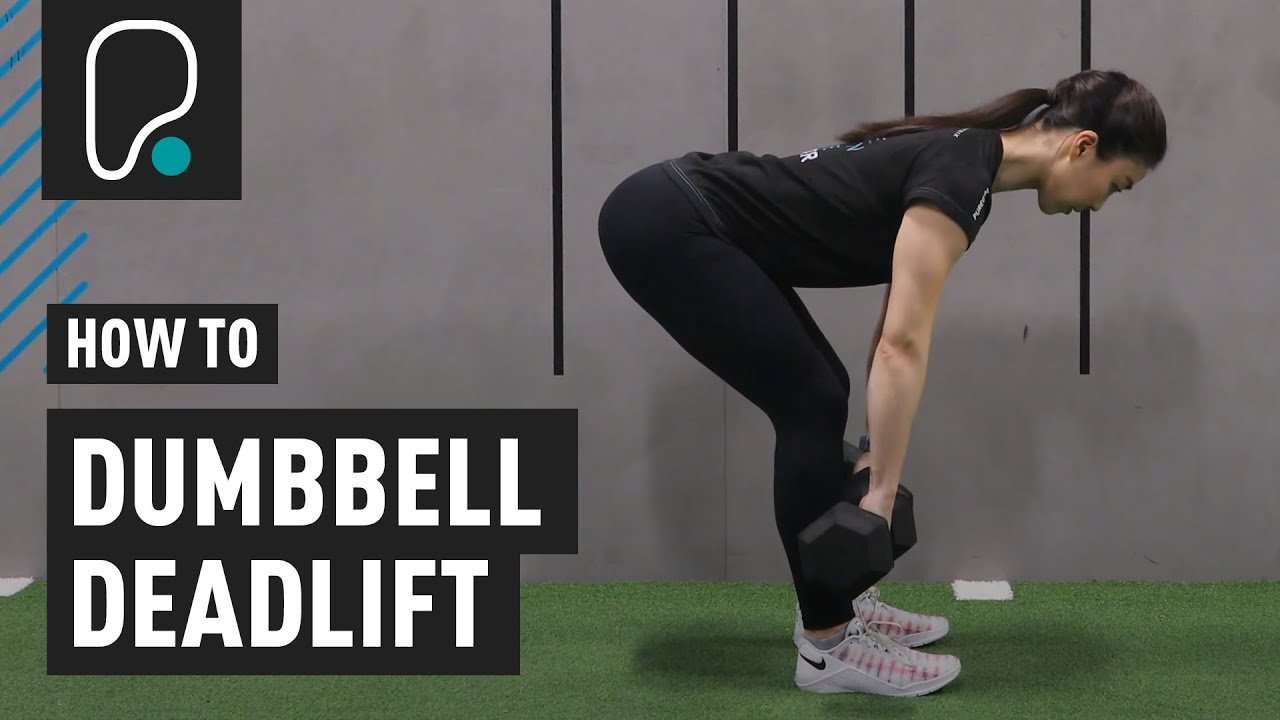
"Deadlifts strengthen the posterior chain, hamstrings, glutes, and lower back, key for propulsion and posture," says Lyndsey. This exercise can also correct any muscle imbalances in the lower-body, which could lead to you overcompensating on one leg - a common cause of problems like the so-called 'runner's knee'.
Here's how to do a deadlift:
- Start with your feet hip-width apart and a slight bend in your legs. Pick up your weights.
- Bend at your hips, pushing them to the back of the room.
- Keeping your back straight and chest up. Stop just below the knee or when you feel a strong stretch in your hamstrings.
- Keep the weights close to your shins as you lift them by pushing your hips back and standing up.
- Keep your back straight throughout the movement, and avoid rounding your spine.
- Repeat for 8 to 12 repetitions for 3 sets.
3. Lunges
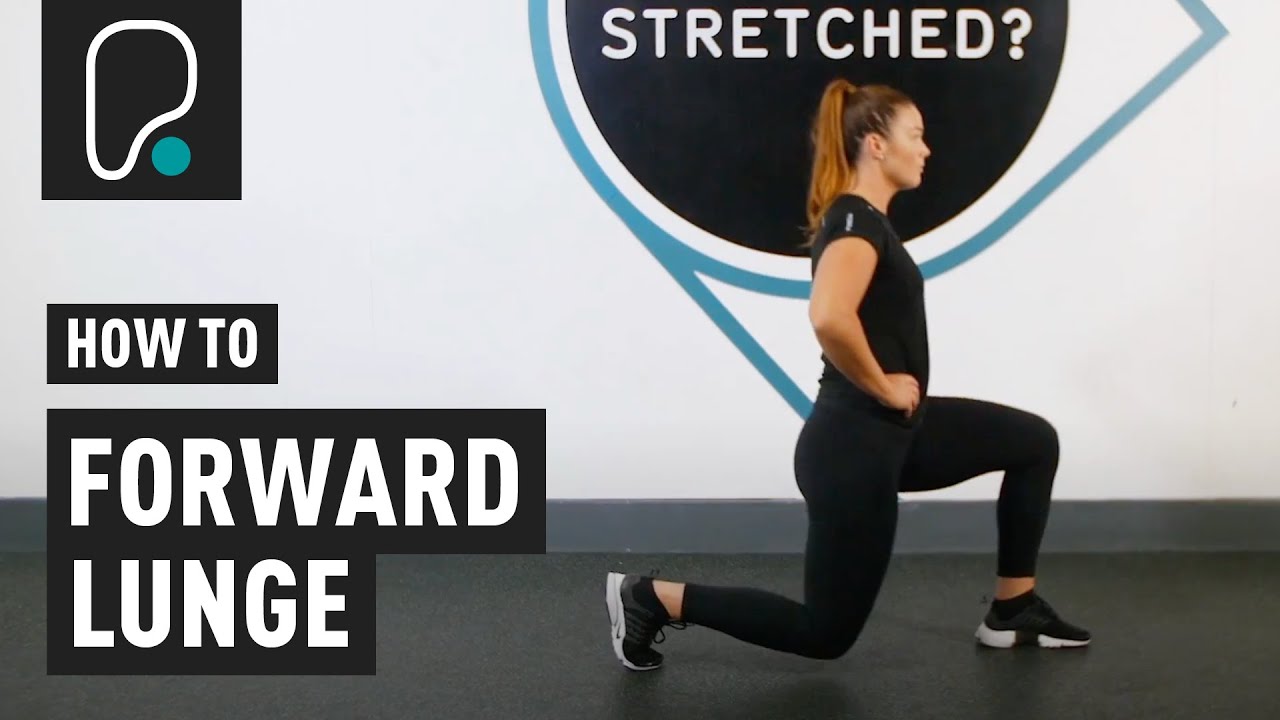
Squats, deadlifts, and lunges are what's known as compound movements. They work multiple muscles at once. But where runners are concerned, the lunge (whether a walking lunge or stationary) is perhaps the most important strength training exercise.
"Running is essentially a series of single-leg movements," explains Lyndsey. "Incorporating these challenges balances, corrects imbalances, and strengthens the stabiliser muscles. This not only boosts performance but also helps prevent common issues like IT band syndrome or hip pain."
Here's how to do a lunge:
- Stand tall with your feet together.
- Step one foot forward, bending both knees to lower your body.
- Your front knee should be directly above your ankle, and your back knee should hover just above the ground.
- Keep your upper body upright and avoid leaning too far forward.
- Push through the heel of your front foot to return to the starting position.
- Repeat on the other leg.
4. Plank

The classic plank is a core-focused exercise that's often overlooked, says Rachael. While you may think that strength training for runners is all focused on the lower body, keeping your core well-trained has its benefits - especially on longer runs.
"Core strength is fundamental for maintaining proper posture and stability while running," she says. "Planks engage the core muscles, including the abdominal muscles, obliques and lower back. A strong core is essential for better running form and can help reduce the risk of injuries."
Here's how to do a plank:
- Begin in a push-up position, with your arms straight and your hands directly beneath your shoulders.
- Engage your core and glutes to create a straight line from your head to your heels.
- Keep your neck neutral, looking down at the ground.
- Hold this position for the desired amount of time, focusing on maintaining proper alignment.
- Avoid letting your hips sag or raising your hips too high.
5. Glute bridges
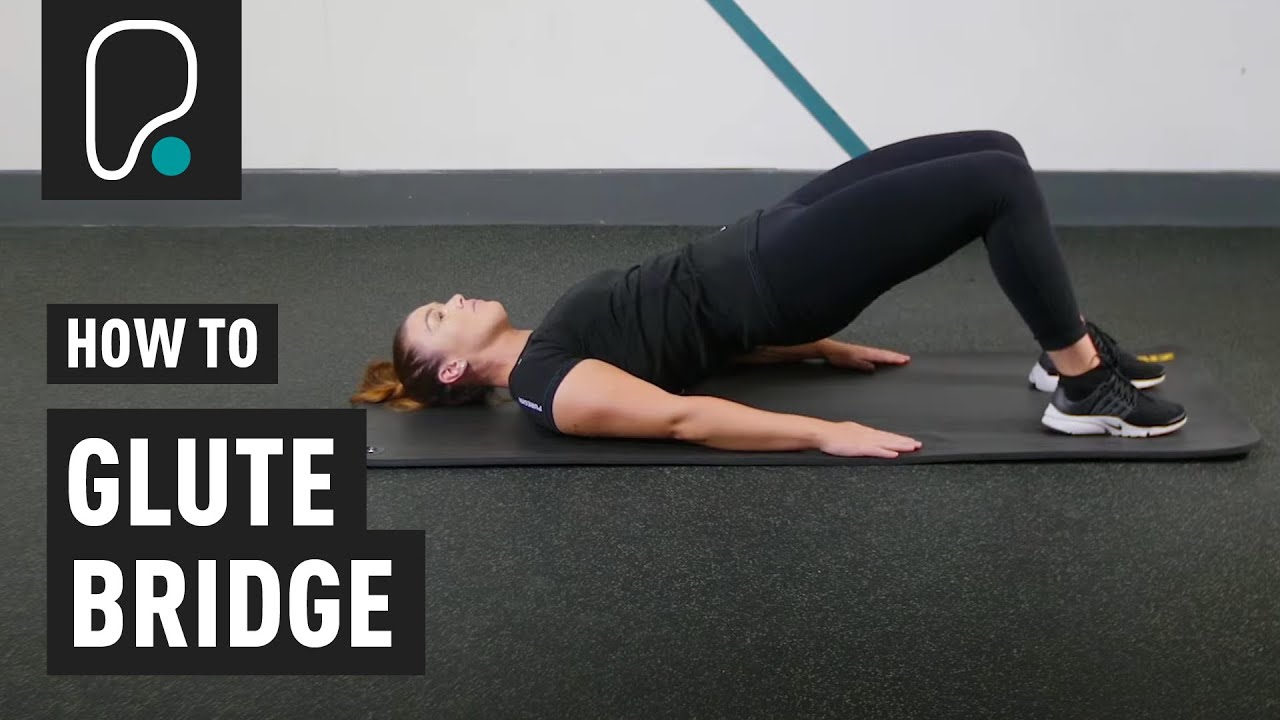
"Strong glutes play a crucial role in maintaining proper running mechanics," says personal trainer Rachael Sacerdoti, a strength specialist and founder of It's So Simple. "Hip bridges are brilliant for helping to improve hip extension and stability. They target the glutes and hamstrings."
Here's how to do a glute bridge:
- Lie on your back with your knees bent and feet flat on the ground.
- Place your arms by your sides, palms facing down.
- Press through your heels and lift your hips off the ground.
- Squeeze your glutes at the top of the movement.
- Keep your body in a straight line from your shoulders to your knees.
- Lower your hips back down with control and repeat.
How many times a week should runners do strength training?
The question of 'how often should you lift weights?' is a common one, with most experts recommending two to three times a week as standard. However, even just once a week is better than nothing at all.
There is research to suggest there's actually not much difference between training twice a week and once a week. For instance, a study by the New York College of Osteopathic Medicinereviewed 20 older adults, of which half trained twice a week in the gym and the other half once a week. While it's only a small set of subjects, the researchers found that one set of exercises done to fatigue improved participants' strength just as much as twice a week.
Another study by Utah University was conducted specifically on women and compared two groups - one who performed a single set of leg press movements once a week and another twice a week. Overall, there was no difference in results.
If you're strapped for time, you could spread your exercises over the week, doing them as you have five minutes to spare. For example, you could do your squats while waiting for the kettle to boil, lunges as you work from home, and get down into a plank to start your day. Repeat each exercise three times in one week, and you've done your strength work.

A set of good dumbbells is all you need to do strength training at home. This tried and tested set was awarded top spot in our guide for price (each set comes with two dumbbells) and design, since the hexagonal shape stops them from rolling away. Kettlebells will have a similar feel, too.

For those on more of a budget, I always recommend a set of the best resistance bands. These strong and stretchy bands act as a resistance in the same way that dumbbells or other weights would, but they're cheaper and pack down much smaller for storage.

If you're lifting in the gym, a stable set of shoes with a flat sole and a wide base is ideal. My favourites at the moment are the Lululemon strongfeel workout shoes, being designed with the female foot in mind and available in an array of pastel colours.
Should runners strengthen their upper-body too?
"Runners must strengthen their upper body and lower body," says Rachael. "Although running primarily involves the lower body, neglecting the upper body can lead to imbalances and limitations that can affect performance and overall wellbeing."
You can do an upper-body workout using weights at home or include basic strengthening exercises in your gym routine. The experts recommend compound movements for efficiency, such as chest presses, shoulder presses, and lat pull-downs.
Plus, she adds, "Strengthening the upper body helps with posture, core stability, and running form (planks are good for this), along with improving your arm swing and balance, and helping prevent injury."

You must confirm your public display name before commenting
Please logout and then login again, you will then be prompted to enter your display name.