'I've been through menopause, work a desk job and have no time to exercise, can I still lose weight?' Dr Amir Khan answers your question
The w&h resident doctor answers a reader's question on how to lose weight after menopause with easy-to-follow tips, nutrition, and exercise advice



Sign up to our free daily email for the latest royal and entertainment news, interesting opinion, expert advice on styling and beauty trends, and no-nonsense guides to the health and wellness questions you want answered.
You are now subscribed
Your newsletter sign-up was successful
Want to add more newsletters?
Unexpected weight gain is one of the most common problems women have after menopause. It was one of the most popular subjects when we reached out to you, our woman&home readers, for your questions for our resident doctor, Dr Amir Khan.
Weight gain or redistribution of weight in post-menopause can be caused by a range of factors, some of which are out of our control. As we age, our muscle mass decreases, metabolism slows, and oestrogen levels fall, which means many of us end up carrying more weight around our stomach and upper body.
"This affects where your body stores fat, how hungry you feel, how your muscles burn energy and even your motivation," he says. But weight gain isn’t about a lack of “willpower - it’s about biology, stress, sleep and life demands. So we need a kinder, realistic approach," he adds.
Dr Amir Khan's weight loss tips
1. Focus on protein
“Protein keeps us fuller for longer and helps maintain muscle (which supports metabolism),” says Dr Khan. The British Heart Foundation recommends 0.75g of protein per kg of body weight per day for an adult with a healthy weight.
Dr Khan recommends simple swaps, including Greek yoghurt instead of cereal at breakfast, eggs on toast, or adding beans and lentils to soups and salads. Other foods rich in protein include lean meats, fish, nuts and whole grains.
"Small, consistent habits beat big, dramatic diets every time," he says. "You don't need to overhaul your life, just tweak the rhythm of it."
2. Add fibre and colour
Eating the rainbow is a great way to make sure you’re getting more fibre in your diet and the nutrients you need to maintain a healthy weight and lower your risk of other health issues.
Sign up to our free daily email for the latest royal and entertainment news, interesting opinion, expert advice on styling and beauty trends, and no-nonsense guides to the health and wellness questions you want answered.
Dr Khan says: “Think ‘add, don’t restrict’. A handful of berries, spinach in your omelette, chickpeas in pasta sauce. Colour = fibre = balanced blood sugar.”
3. Think of the 'three-minute movement rule'
Physical activity doesn’t have to mean long workouts in the gym. For many of us, this kind of exercise doesn’t fit with life’s other demands.
If you can’t manage a workout, Dr Khan suggests doing three minutes of movement every hour. These are known as movement snacks. It could be marching on the spot, stretching, or squats, while the kettle boils. “It breaks up sitting (which is the real issue with desk jobs) and boosts metabolism without needing gym clothes or time,” he says.
4. Prioritise sleep
Dr Khan says: “Poor sleep increases hunger hormones and cravings.”
He suggests trying to have a calming bedtime routine with a warm shower, soft lighting and keeping your phone away from the bed.
5. Lower stress where you can
High cortisol (stress) levels cause your body to store fat around your tummy. A calm evening routine where you "wind down slowly" can help with this because it will lower your cortisol levels and help you sleep better. This could include journaling, reading or stretching. “Think of this as metabolic medicine, not indulgence,” he says.
And finally, life is full of ups and downs, so Dr Khan reminds us all to be compassionate with ourselves. “Be kind to yourself. Not every day will be perfect. That’s normal. Progress at this stage looks gentle and sustainable,” he says.
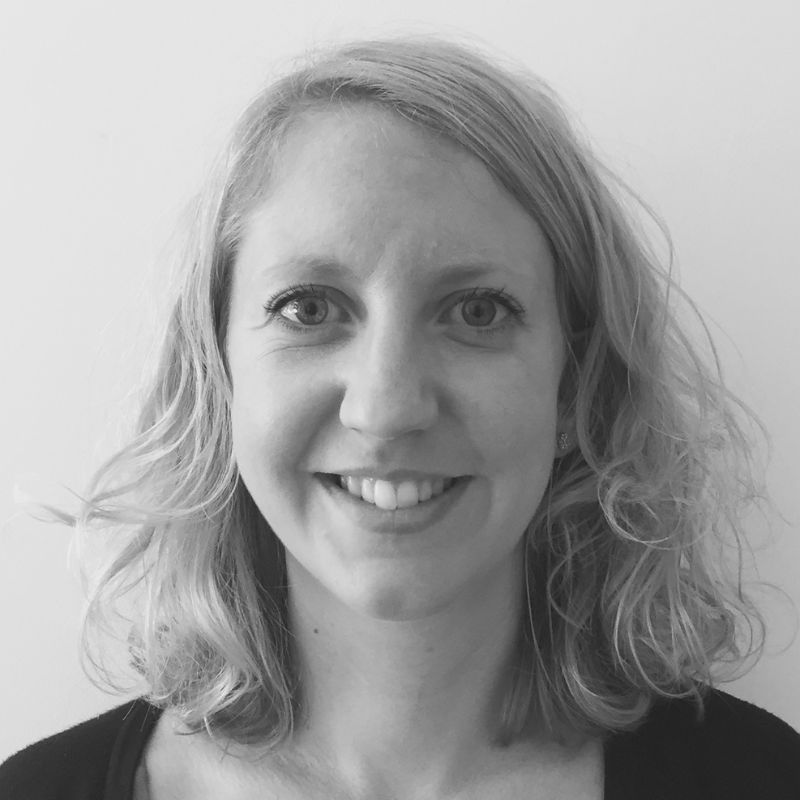
Kat Storr has been a digital journalist for over 15 years after starting her career at Sky News, where she covered everything from world events to royal babies and celebrity deaths. After going freelance eight years ago, she now focuses on women's health and fitness content, writing across a range of UK publications.
From perimenopause to the latest fitness trends, Kat loves researching and writing about it all. She's happy to give any fitness challenge a go and speaks to experts about wellbeing issues affecting people every day.
You must confirm your public display name before commenting
Please logout and then login again, you will then be prompted to enter your display name.