Nobody is talking about this gem - it’s the best Le Creuset alternative I’ve tested so far
Habitat's cast iron casserole dish is deliciously elegant and equally impressive too

This is a delightful kitchen multi-tasker that brings consistent heat, dependable moisture retention, and stylish practicality to everyday cooking. It handles delicate risottos and slow, saucy casseroles with grace, roasted beautifully in the oven, and even delivered impressively airy loaves of bread. For home cooks who want reliable performance without a premium brand price tag, this dish is a deliciously smart choice.
-
+
Even heat distribution & temperature control
-
+
Outstanding moisture retention
-
+
Versatile oven performance
-
+
Comfortable & practical design
-
-
Cream enamel is prone to scratching if not handled gently
-
-
Not as premium in finish or branding as high-end alternatives
Why you can trust Woman & Home Our expert reviewers spend hours testing and comparing products and services so you can choose the best for you. Find out more about how we test.

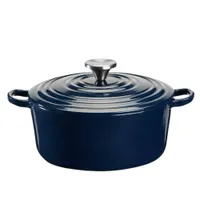
Genuinely good alternatives to Le Creuset are hard to come by, and I’ve looked in a lot of places. So when I discovered that Habitat makes cast iron cookware suitable for baking bread, I was intrigued. Of course, they make cast iron—but could it really match Le Creuset’s quality?
We’ve long admired Habitat at woman&home for the way their collections make a home feel effortlessly cosy and stylish. Their best cast iron casserole dishes are just one example of the brand combining practicality with a touch of luxury. With enamel-lined interiors for natural non-stick performance and a range of timeless shades, these pieces look every bit as classy as they sound.
On paper, this cookware ticks all the boxes for something that should rival Le Creuset. But the real test, of course, is in the kitchen. So I gave it a try for myself, baking bread, simmering stews, and seeing whether Habitat’s cast iron lives up to its reputation.
Habitat Cast Iron Casserole Dish review

RRP | £35 |
Dimensions | L15.3, W29.6, D23.1, Dia23.1cm |
Capacity | 3.3L |
Materials | Enamel coated cast iron |
Hob compatibility | All |
Oven safe? | Yes, up to 260°C |
Dishwasher safe? | No |
Colour options | Cream, green, brown, orange, pink, blue |
Who would the Habitat Cast Iron Casserole Dish suit?

The Habitat Cast Iron Casserole Dish is the ultimate all-rounder for home cooks who want versatility without compromise. Compatible with all hob types and oven-safe, it’s perfect for everything from slow-simmered stews and risottos to quick stir-fries or roasted vegetables.
Aesthetically, it’s beautifully understated yet chic, meaning you can take it straight from oven to table without missing a beat: no need for extra serving dishes or last-minute plate juggling. Whether you’re a weeknight dinner hero, a weekend baker, or someone who loves one-pot cooking that looks as good as it tastes, this casserole dish fits effortlessly into your kitchen repertoire.
Unboxing the Habitat Cast Iron Casserole Dish

The Habitat comes in modest packaging, designed to keep it in good condition when it gets to you. If you plan on using yours seasonally, I’d recommend holding on to the box, because it’s perfect for storage, especially if you can set aside the edge clips, because these stop the lid from scratching the main pot.
If you know the Habitat Cast Iron Casserole Dish is going to claim a semi-permanent place on your hob, you can easily flatten and recycle all the packaging, which gets a big tick from an environmental perspective.
Whilst Habitat doesn’t send any specific literature for how to use and clean your cast iron casserole dish, I’d recommend giving it a rinse out on the inside to take out any factory dust and dirt that might have settled in transit.
What is the Habitat Cast Iron Casserole Dish like to use?

The Habitat Cast Iron Casserole Dish is safe to put in the oven and it’s compatible with various different hob types, which means you don’t have to worry or keep track of where you can and can’t use it. I have a series of tests that I put all my cast iron casserole dishes through, so this is the perfect chance to see whether the Habitat can compete with the likes of Le Creuset and Staub.

This is a really basic test, but it gives a great indication of both how fast and even the heat transfer across the base of the Habitat is.
I tested the 4.8L capacity model, which had enough space for two chopped onions to fit in. On the hob, on a medium heat, I could hear the oil sizzling within one minute, so I added in my onions. Within another couple of minutes, I could see that the onion was starting to turn translucent, with some golden colours at the edges.

Once the onions were soft and sweet, they created the perfect base for my next two big tests: risotto and casserole, both brilliant at revealing whether a cast iron dish can keep its cool and deliver consistent, even heat without burning or sticking.
The risotto test is always a little high-stakes. It demands low, steady heat that doesn’t waver, consistency across the base, and an enamel surface that won’t cling onto every grain. I added lemon and thyme to my onions, letting them toast gently before stirring in the rice and slowly ladling in stock. The Habitat handled the process beautifully, no rogue hot spots, no sticky corners plotting against me. Forty minutes later (my gold-standard cooking time), I had tender grains suspended in a glossy, velvety sauce. Texture, taste, and timing all perfectly aligned, exactly what you want when you’re coaxing comfort food into existence.

A casserole is all about patience, moisture, and letting flavours deepen at their own pace. This is where the lid earns its crust, quite literally. The Habitat’s lid doesn’t flaunt any elaborate self-basting ridges, but don’t let that fool you. It created an impressively tight seal; when I lifted it, condensation cascaded back into the pot, the kind of steamy encore that tells you everything has been bubbling in a safe, closed environment.
After an hour of gentle simmering, the vegetables were soft, the sauce rich and glossy, and the flavours were beautifully melded. The Habitat also aces versatility: you can slide it straight into the oven to finish a stew with dumplings or crisp up a topping. It’s the sort of flexibility that makes leftovers feel like a whole new meal.

Onto my oven tests, and this is where a cast iron dish can really earn its Sunday-best status. One of my staple recipes is a slow-roasted tomato and garlic soup. I tumble tomatoes, garlic, onions, and herbs into the dish, coat them in olive oil, season generously, and roast for around forty minutes. When they emerge, the tomatoes have blistered and burst, the garlic is sweet and sticky, and everything smells good enough to eat straight from the pan (and yes, in my house, we often do).
If you’re patient enough to resist diving in, add stock and blend into a rich soup. Just take care with the cream enamel interior; it can scratch, so hover the stick blender rather than digging it in. I’ve made multiple soups in this dish without a mark, and it looks beautiful carried straight to the table.

Bread baking is where the Habitat truly surprised me. A colleague swore by hers for weekend loaves, so I was eager to put it through its paces. With the casserole test showing such excellent moisture retention, I had high hopes and it didn’t let me down. A 750g loaf fit perfectly, with plenty of room for a dramatic rise. The result? An airy crumb, a soft, even bake, and a golden crust that sliced effortlessly. It tasted as good as it looked and looked good enough to show off.

This test is all about speed, not cast iron’s natural comfort zone, but still important if you want a dish that works as hard as you do. I heated sesame oil, and within minutes it was sizzling and ready for tofu. The Habitat heated far quicker than expected, crisping the tofu beautifully. From there, I treated it like a makeshift wok, tossing in vegetables, then noodles and sauce. Everything cooked evenly, nothing stuck, and clean-up was blissfully simple. Sometimes, a girl just needs a quick midweek stir-fry and this dish can absolutely keep up.
Cleaning the Habitat Cast Iron Casserole Dish

Like all cast iron, the Habitat isn’t dishwasher-friendly. Hand-washing is essential, but the enamel makes it mostly fuss-free. Any browning lifted easily with warm water and a soft sponge. My one golden rule: be gentle. Never use anything abrasive, scratches on enamel feel heartbreakingly permanent. If something really sticks, let it soak in warm soapy water rather than scrubbing.
How does the Habitat Cast Iron Casserole Dish compare?

With everything it delivers, you may be wondering whether a Le Creuset is even worth the extra investment. Here’s my take: if you want heritage, exclusivity, and a lifetime guarantee, Le Creuset is lovely. But if performance is your priority, Habitat holds its own remarkably well. It's noticeably lighter than my Le Creuset, and while it may not have quite the same artisanal paint finish or premium hardware, the performance gap is tiny, we’re talking small, subtle percentages.
This also places the Habitat in close competition with Salter. Habitat feels slightly more traditional and boxy; Salter has excellent heat transfer across the base. Habitat offers more colour choices, which for many home cooks is reason enough to lean in that direction.
Should you buy the Habitat Cast Iron Casserole Dish?
Overall, the Habitat Cast Iron Casserole Dish is a joy to use. The generous side handles make transferring from hob to oven feel safe and stable, even with oven gloves on. The lid handle is comfortable and easy to grip, and while cast iron is never feather-light, this one is well balanced and pleasantly manageable.

You must confirm your public display name before commenting
Please logout and then login again, you will then be prompted to enter your display name.