How to use avocados in your garden - 3 ways to benefit from skin and stone nutrients to boost plants
Don't throw away your avocado remnants just yet, they might just be the nutrient boost your garden's been needing


Wondering how to level up your eco-gardening? Well, avocado skins and stones are the latest in a long line of food waste you can use to nurture your garden and give it a new lease of life.
When it comes to garden trends, there's nothing quite like finding new inventive ways to save money on transforming your garden while also helping the environment. If you're looking for new sustainable garden ideas then look no further than your food waste and eating habits.
How to use avocados in your garden: 3 ways to benefit from skin and stone
Knowing how to care for your plants can be rather difficult, with all their different care instructions and preferences it can seem impossible to keep track. This is why it makes it all that easier when you can find a cheap way to provide them with nutrients no matter the species.
Similarly to using orange peel in your garden, repurposing avocado skin and stones is a neat trick to deliver added nutrients to your plants and soil for free.
1. Seedling starters

Looking to start planting your spring seedlings to be surrounded by alluring plants to liven up your garden by the time summer arrives? There's no need to buy any planters, as scooped-out avocado skins are the perfect eco-friendly compostable seedling starter.
"Make planting pots - save any old avocado skins and fill them with compost to make biodegradable plant pots," starts Craig Morely, gardening expert from Budget Seeds. "These pots are great for seedlings you intend to keep on the windowsill, and when the seedling is ready to be placed in the soil, the avocado skin can also be planted, as it will provide nutrients to the soil as it breaks down."
"The pots will have enough space for the seedlings to spread their roots, and the skin will help to retain moisture to prevent the soil from drying out," he adds.
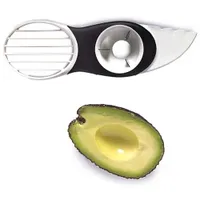
2. Skins can be made into organic compost

Just as you can use tea bags in your garden, avocado skin and stones make a great addition to the compost pile. They do, however, have to be prepared slightly differently, with the stones being a much denser, harder makeup.
"Placed softened pieces of the avocado stone into a pestle and mortar or food processor to reduce them, and these smaller pieces can be sprinkled directly onto plants, soil or in a compost bin. Avocado skins can also be turned into compost, but they can be slow to decompose. Cut the skin into smaller pieces before adding to the compost heap," Craig recommends.
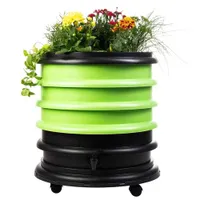
3. Stone soil enhancer

Unlike how you can use coffee grounds in your garden quite easily and with little preparation, avocado stones will require more help to work with.
"Avocado stones contain nutrients such as calcium and magnesium, and also have high levels of potassium, which are beneficial to your plants and soil," explains Craig.
"Soak the stones in water first so they are soft, and then cut them into pieces. These pieces can then be placed into a pestle and mortar or food processor to reduce them, and these smaller pieces can be sprinkled directly onto plants."
FAQs
What plants in particular like avocado stones and skin?
Whether you are tending to a blossoming vegetable patch or looking for extra nutrients to complete your rewilding trend-inspired garden, be mindful that certain plants love avocados more than others.
Craig explains how avocado skins are particularly beneficial to plants that love nitrogen, such as leafy greens like kale, lettuce, spinach or rhubarb.
Whereas avocado stones will be loved by plants that need more potassium, he says, "This usually tends to be fruit crops like tomatoes and strawberries, as well as legumes such as beans. Potassium helps these plants with water balance and root development, as well as the transportation of sugars and proteins."
If you're unsure if your plants will react well to the avocado nutrients, then the best way to equally distribute the wealth would be to compost the fruit and use the soil as a fertiliser throughout your garden.
Can you put avocado stones/skin directly in your garden or do they need prepping first?
Unfortunately, the preparation for using avocado stones and skins is not quite as easy as the ways you can use eggshells in your garden beds and pots. Due to the toughness of avocado skin and the obvious hard exterior of the stone, you'll need to complete a few steps before adding anything to your garden or compost bin.
"Avocado stones can take a while to break down, so it is best if you grind them up so they can be sprinkled on your garden instead. Similarly, cutting avocado skins into smaller pieces will help them to break down faster so that your garden plants can access the nutrients quicker," says Craig.
Using discarded avocado skin and stones is an extremely simple, foolproof way of adding a boost of nutrients to your plants and their soil. The only real mistake you could make is adding a stone whole to the ground. Just be sure to grate or compost the stones, and your plants will be thriving in no time.
