How to use ash in your garden - 6 unexpected ways to reuse burnt-out wood embers
Welcome a spark to your garden using leftover fireplace ashes, as experts reveal the unexpected benefits on offer


Have you started enjoying the longer spring nights sitting beside a crackling fire pit? Or do you still have your log burner fired up on unexpected chilly evenings? Whichever it is, the good news is that even the ashes the warming fires leave behind can be used in your garden for good.
Repurposing waste is a garden trend that will never go out of style, from using tea bags in your garden to finding new ways of levelling up your compost using banana peels, you can't go wrong with a free, eco-friendly way of nurturing your garden.
And as it turns out, fireplace ashes are a secret garden hero. Whilst you may have simply thrown your ashes away in the past, experts say using one of these savvy solutions for reusing ash will lower your waste output and provide key nutrients to your plants.
How to use ash in your garden: 6 genius ideas
Knowing the best sustainable garden ideas to suit your space can save you money while making your garden more successful and healthy. And when it comes to fire ashes, the amount of different ways you can use them in your outdoor space will take you by surprise - even more than how to use orange peel in your garden.
A key thing to remember when using ashes in your garden is to recognise what type of wood ash you're using. Craig Morely, gardening expert from Budget Seeds, says, "You will need to be careful about what kind of fire ashes you are using. Ash from treated timber may be contaminated with harmful residues and should be disposed of instead."
He also warns against using coal or anthracite ash, as neither will provide any benefits to your plants and may cause them harm or even contaminate edible crops. Stick to the ash produced by wood fires as they offer safe, helpful nutrients and won't be laced with any nasties. Untreated natural firewood is the best option to ensure you are not using any unwanted chemicals.
Here are the six ways to repurpose your fire ashes in your garden...
1. Enriched fertiliser

Similar to how you can use coffee grounds in your garden to boost your compost, fireplace ashes can do the same. Wood ash is a natural source of potassium, which contributes to flowering and fruiting in plants; however, the level of nutrients will depend on the age of the wood burned.
"Younger wood usually has a higher level than older branches. The ashes can also have a liming effect, so they can be used to increase the pH of excessively acidic soil," explains Craig.
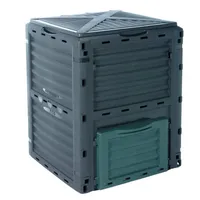
Craig recommends adding wood ash to your compost heap to help with plant fertility. Just be aware that the ash is alkaline, so you'll need to be careful not to add too much, as raising the pH level of your compost heap can affect the useful bacteria.
2. Pest deterrent

If you already use eggshells in your garden for pest control, then you'll love this ash trick. Slugs and snails can easily be deterred by even the slightest change in the texture of the ground around plants, which is why using fire ashes is a great natural deterrent.
Dan McCarthy, a sustainable practices expert who sells multi-purpose compost at Green Olive Firewood, says, "You can lightly sprinkle ashes around plants to deter slugs and snails. The abrasive texture of the ashes can help keep these pests away."
When it comes to more stubborn pests, perhaps you've been wondering how to keep foxes out of your garden. Fire ashes will have no to very little effect, so you'll need to seek alternative ways of deterring them.
3. Outdoor cleaning agent

Perhaps the most surprising of all the cleaning hacks, you can use fire ashes as a natural means for cleaning gardening tools and outdoor glass windows. Similarly to how you can use old towels in your garden, the ashes can remove the excess dirt and grime without the worry of making a mess.
"Use ashes as an abrasive cleaner to remove rust and grime from garden tools," says Dan.
You can make a simple paste by combining ashes and water. This is good for use on the things in your garden you should never pressure wash, such as decorative items and delicate ceramic pots, as an alternative for cleaning terracotta pots.
5. Absorbing spills

Even if you're into the imperfect look, perhaps you're trying out the rewilding trend, there are some spills that you'd rather not have stain your garden. Whether it's oil or simply a muddy puddle in your driveway, you can use ashes to absorb the excess moisture and help make the cleanup much easier.
Consider this the pre-cleansing solution when cleaning patio slabs or cleaning garden decking.
6. Icy path protection

Another brilliant hack for the colder months, or when the freak ice-cold spring weather emerges. Aside from how to care for your plants in the winter, ash can help care for you and your household by acting as a sort of salt grit on slippery frozen surfaces.
You can always store ash for this very purpose in a weatherproof container or an outdoor shed. However, if you'd rather use a more reliable de-icer, then we'd recommend this Laeto Snow Essential 10kg bag of grit rock salt from Amazon for £12.99.
FAQs
What plants in particular benefit from ashes?
Luckily there are many plants that will benefit from coming in contact with fireplace ashes, due to their nutrient-richness of potassium, phosphorus and calcium carbonate.
Dan says, "Tomatoes benefit from the potassium in ashes which helps improve fruit quality, peonies thrive in the alkaline soil ashes create and roses also appreciate the phosphorus and potassium present."
If you're way past learning all the easy gardening tips every gardener should know, then the chances are that you know which plants in your garden require more alkaline environments compared to those that don't. But if you're unsure then it's best to check the plant care instructions either by searching them or looking at the seed/bulb packaging.
What plants don't like fireplace ashes?
On the other hand, there are many plants in your flower beds and vegetable patch that won't react well to the addition of fireplace ashes in their soil.
"Blueberries prefer acidic soil, and ashes can raise the pH level too much for them. And Potatoes, while they do need potassium, ashes can also introduce unwanted salts and raise the soil pH too high for potatoes," explains Dan.
Finding natural resources that will save you money and waste is a great way to level up your gardening and give your plants the very best chance to thrive. And if you don't fancy yourself much of a gardener, then Dan also suggests sprinkling a light amount of ashes onto your lawn to help balance its pH and add potassium.
