Try this strength coach's upper-body workout - thank me later, it's all you need for stronger and more defined arms
You can use light dumbbells for this short 5-step routine that focuses on the arms, back, and shoulders


While the appearance of strong arms is in vogue at the moment, strength training is about more than appearances - from picking up shopping bags to taking things down from above your head, they aid with functional movement and may make daily life feel easier well into your 80s and 90s.
Melissa Leach, a yoga instructor and strength and conditioning coach at Yoga-Go, says, “Building arm strength goes far beyond aesthetic reasons. It’s often an indicator of overall health and functional capacity, and developing it through regular training can help improve muscle mass, support joint stability, enhance metabolic health, and make everyday tasks easier and safer to perform.”
The same goes for all upper-body strength, she says - and the good news is that you can do short, effective workouts to improve it. Think dumbbells, light weights, and resistance bands.
Try this arm workout
1. Arm circles
This short warm-up exercise gets the shoulder joints ready for the more intense movement to come.
Here's how to do arm circles:
- Stand with your feet hip-width apart and extend your arms straight out to the sides, at shoulder height.
- Make small circles forward for 20 to 30 seconds, then reverse the direction.
2. Shoulder press
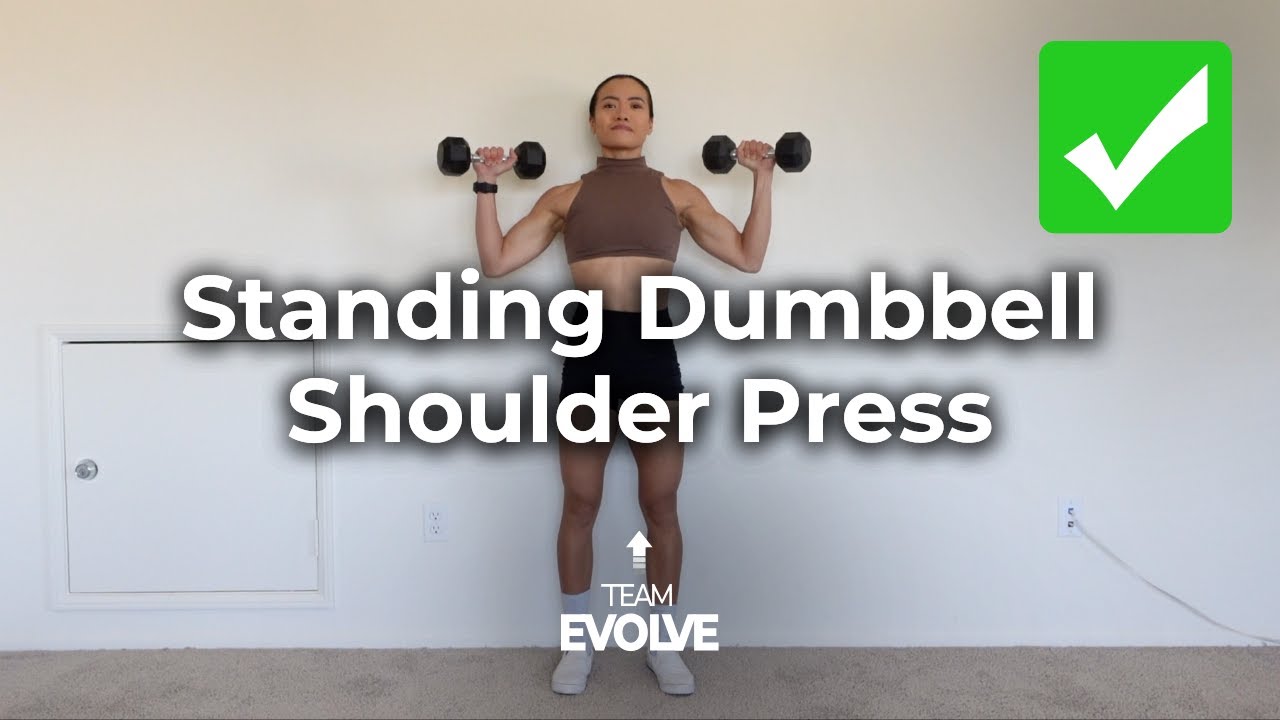
This is a compound movement, targeting most of the upper muscles on the front of the body, but particularly the muscles on the front, sides, and back of the shoulder.
"Keep your ribs pulled in and your core engaged so the work stays in your shoulders rather than the lower back," says Melissa.
Here's how to do it:
- Curl the weights up to your shoulders, then press them overhead until your arms fully extend, without locking your elbows.
- Lower the weights back to your shoulder and then down to the starting position.
- Repeat 10 to 15 times.

The HOMCOM dumbbells are a favourite of woman&home's Digital Health Editor Grace Walsh. She says: "I love the same of these weights. The hexagonal design means they are well balanced, easy to store, and don't roll away when you put them on the floor."

An adjustable set of dumbbells is useful if you have limited storage space but big things in mind for your strength and conditioning workouts. For exercises like the shoulder press, you'll want to go heavier than you would with the bicep curl below, and with this, you can simply slide the weights on and off.
3. Bicep curls
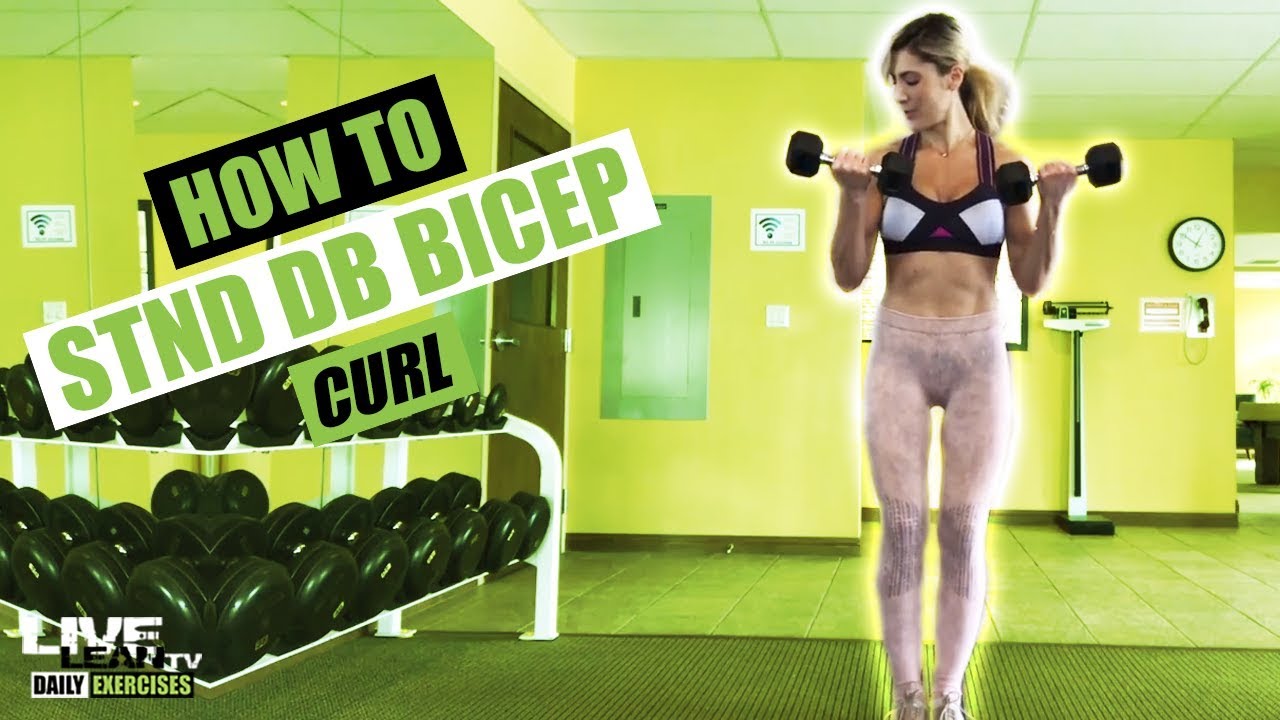
The bicep curl is a favourite upper-body exercise for a reason. It focuses on the muscle at the front of your arm, which is used during most lifting movements.
Here's how to do it:
- Stand hip-width apart with a dumbbell in each hand.
- Hold the dumbbells with a straight arm at either side of your hips.
- Keeping your elbow tucked into your waist, curl the dumbbell towards your shoulder
- Slowly bring it back down.
- Repeat 12 to 15 times on both sides, or complete the movement with both arms at the same time.
4. Single-arm lat pull down
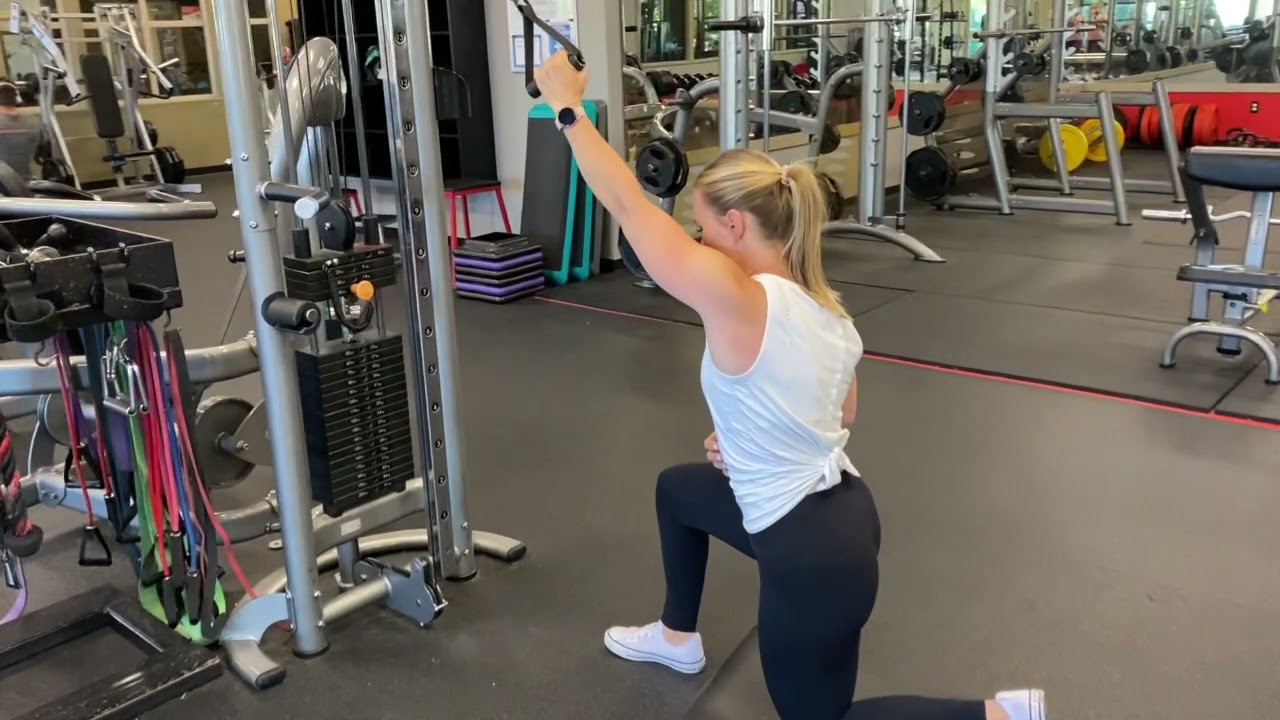
A lat pull-down is traditionally done in the gym with a cable machine and single handle, but you can also do it at home as part of a resistance band workout. Anchor your resistance band between a door in your house and the frame.
“The resistance should come from muscle engagement, not momentum, so focus on your form and squeezing the muscles along the sides of your back with every repetition," says Melissa.
Here's how to do it:
- Stand tall with your arms extended overhead, with palms facing forward.
- Pull one elbow down towards your ribs, squeezing your shoulder blades together.
- Slowly extend your arms overhead and repeat with the opposite arm.
- Repeat 12 to 15 times.
5. Steering wheels
The steering wheel exercise is one that mainly targets the shoulders - this is where you'll really feel it. However, it also improves muscular endurance in the arms, forcing them to stay static. It would be right at home in a home Pilates workout, too, as it focuses on core control and stability.
Here's how to do it:
- Hold a light dumbbell with both hands or clasp your hands together and extend your arms in front of your body.
- Slowly rotate your hands from side to side as though turning a steering wheel.
- Complete 15 to 20 rotations per direction.
