Struggling with Dry January? 6 genuinely useful tips to see you through the month
It's about more than willpower when it comes to cutting back on drinking, and Catherine Gray's chat with Bryony Gordon has the practical advice you might need


January is a time many of us choose to address our relationship with drinking and press the reset button after a busy festive season by giving it up and switching to alcohol alternatives for the month.
Alcohol Change UK estimated that 15.5 million of us were planning to ditch the booze this January. Yet, an estimated 29% of people drink alcohol after one week, with 16% giving up their Dry January resolution a few days into the month, per data from YouGov.
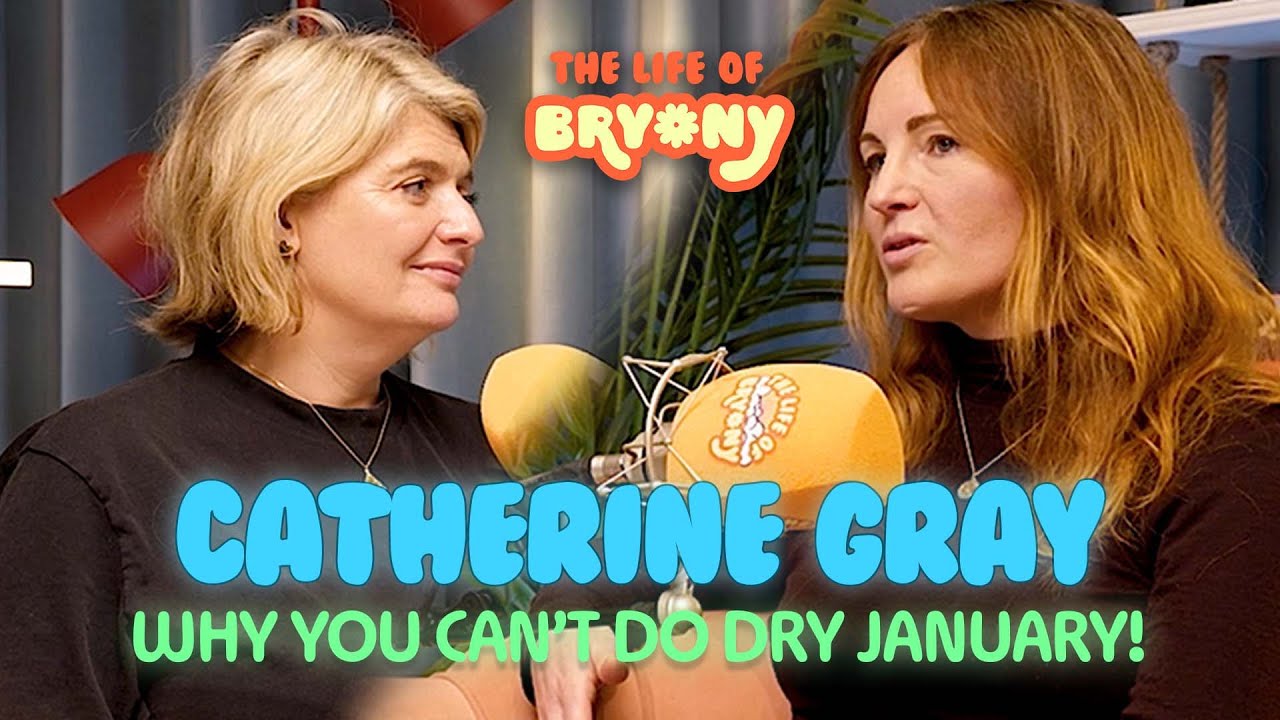
Author Catherine Gray, author ofThe Unexpected Joy of Being Sober and Little Addictions, spoke to Bryony Gordon about what she’s learnt about alcohol and other unhealthy habits since she went sober 12 years ago. In an interview on The Life of Bryony, she revealed helpful ways to make it to the end of the month, and beyond if that’s your goal.
1. Replace the alcohol
We’re all constantly looking for dopamine hits to help keep us happy, say Bryony and Catherine. It's a search that can lead to relying on addictive substances like alcohol, caffeine, and nicotine, as well as smaller addictions like constantly scrolling on our phones or eating ultra-processed foods.
Catherine says a key way to get off the quick-fix “dopamine rollercoaster” is to replace it with “slow dopamine”, which includes activities like low-impact exercise (a yoga workout, for example), reading a book, or eating a satisfying protein-rich breakfast. Habits that make us feel healthy and happy.
“It doesn’t mean you have to get rid of all of the fast dopamine activity. If you just plot in enough slow dopamine activities” it can help you limit your need for dopamine hits, she explains.
It also helps to put a blocker between yourself and the alcohol, something that makes having a drink a little inconvenient. For Catherine, it was washing her hair and leaving it wet that put a barrier between herself and a trip to the shop to buy a drink.
2. Remove temptation
Many people try Dry January “in a house which still contains booze”, Catherine says. It's something that “doesn’t make any sense, because we wouldn’t try to quit cigarettes or any other kind of thing like heroin” and keep it in the house.
Bryony says “having it there, present and around us” is setting us up for failure, as the temptation to have an alcoholic drink is always present. If you think you won’t be able to resist opening a bottle of wine on a Friday night, then it’s worth moving all of the alcohol out of a space where you might see it every day, such as the kitchen, and putting it in a cupboard or somewhere else. Or, even better, out of the house.
Out of sight, out of mind really can be useful when trying to give something up or limit your intake of it. Instead, try an alcohol-free beer or wine, non-alcoholic drinks in a can or a non-alcoholic cocktail.
Catherine says she had an “alcohol-free home” in her first few months of sobriety. “It’s about knowing what your triggers are and removing them,” she says.
3. Socialise differently
If you’re used to meeting friends at the pub and you’re worried about not being able to resist buying an alcoholic drink in January, then suggest going somewhere else.
Catherine says we “wouldn’t quit smoking and then go to a smoking party” so questions why so many people make life harder for themselves. “If you need to avoid the pub for a month then do that, that’s fine,” she says. You could organise a walk with a friend, a coffee shop date, or a trip to the cinema instead.
4. Be kind to yourself
Bryony says many of us are “extraordinarily unkind to ourselves when we break our resolutions”, but it’s important to remember that alcohol is an addictive substance, so giving it up cold turkey is no easy feat.
Bryony says “if we engage in self-flagellation", it can actually make us crave alcohol more. Catherine says this has been labelled as the “guilt paradox” by experts because you feel guilty when you first do something, like have a drink or eat biscuits, but then the more you drink or eat, the better you feel. It becomes a cycle. “When you feel guilty about doing something, you’re more likely to do more of it,” she explains.
Catherine and Bryony say this is why it’s important to have tools to help you stick to your pledge to cut down on or quit a bad habit - and if you slip up, to remember it’s not the end of the world.
5. Seek support
Telling your friends and family that you’re doing Dry January, and that you’re finding it tricky, means they can support and encourage you along the way. If you’ve got friends who are also doing a month of sobriety, then you can encourage each other to help you stay on track.
If you’re looking for even more support, there are apps and organisations which can help you, such as Alcohol Change UK’s Try To Dry app. They’ll also send you motivational emails during the month to help you keep going.
If you think you’re dependent on alcohol, consult your GP before you stop drinking because it can be dangerous to stop immediately without the correct support.

You must confirm your public display name before commenting
Please logout and then login again, you will then be prompted to enter your display name.