I’m a strength coach - this exercise ‘looks easy’ but do it right, and you’ll have stronger obliques and better core stability
Heel touches are probably the easiest-looking core exercise you can do. Simply lying down and touching your heels? But this PT says there are plenty of benefits


Heel touches are one of those exercises you look at and either think, 'is that it?' or 'that looks nice and easy!', depending on how much you enjoy core exercises. For those who'd rather avoid planks and crunches, this movement makes for a good alternative - and it can be done lying down.
This exercise targets the obliques, muscles that sit on the sides of our core and help stabilise the spine and support hip strength. Often underworked and underrated, these muscles are essential for everyday movements like bending down and twisting, which in turn may help prevent lower back pain.
Abby McLachlan, personal trainer and founder of East of Eden, recommends heel touches to clients to target the obliques in her workouts. It's "not the most challenging" core exercise, she tells woman&home, but "if you keep your head, neck, and shoulders off the floor in spinal flexion, you'll definitely feel it in your abs and obliques".
How to do heel touches
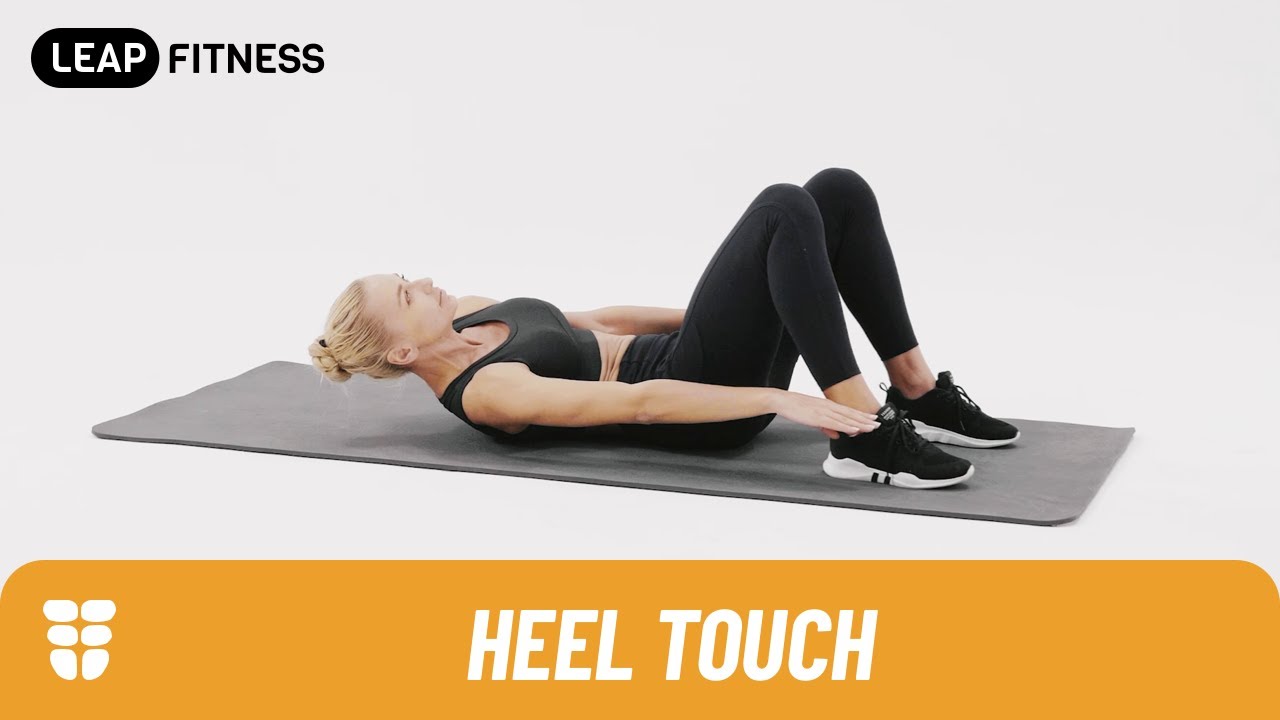
- Lie on your back with your knees bent and feet flat on the floor.
- Raise your shoulders slightly off the mat and keep your neck neutral.
- Keep your lower back flat on the floor.
- Alternately reach forwards to touch your heels with your hand stretched out flat.
- Exhale when touching your heels and inhale when coming back.
- A top tip is to do these slowly and try not to swing from side-to-side.
If you’re new to heel touches, Abby says they can be “easily modified, or progressed to make it more challenging”. You might not be able to touch your heels at first, but as your spine becomes more mobile, you will see improvements.
“Your pelvis will naturally tuck slightly as you bring the head, neck and shoulders up, but just try to move with control, keeping the pelvis stable,” she says.
How to make heel touches harder
If you've been doing a bodyweight Pilates workout for even a few weeks, you'll already have good strength in your obliques and abdominal muscles. You may need to make the heel touches harder to see the benefits.
To do this, Abby says: “You could take your feet off the floor into tabletop, which will make pelvic stability more challenging, or lengthen the legs on the diagonal to create more of a challenge, or even add hand weights to increase the load.”
You could also move your heels further away from your bottom to increase the stretch, or hold each touch for two seconds.
While above we’ve suggested alternating sides for the touches, you could do all of your reps on one side before switching to the other. This will intensify the pressure on your obliques. Abby suggests aiming for 15-25 reps over three or four sets to “make it count”.
Adding in additional core exercises that complement heel touches can fire up these muscles even more. Dead bugs and the side plank are good options for targeting the obliques.
Benefits of heel touches
- No equipment required: You might want a thick yoga mat to lie down on if you don't have one already, but you don't need any equipment to do heel touches.
- May help prevent lower back pain: As this exercise strengthens the stabilising muscles in the trunk, including around the spine and pelvis, you might find you have a lower risk of back pain.
- Boosts spinal mobility: Whether you do strength work in the gym or you're a keen hiker, if you spend a lot of the day sitting down, you may benefit from better spinal mobility. This helps with bending down and other functional movements.
- Improves core strength: Having a stronger core has been shown to improve balance and coordination as we age, lowering our risk of falls and other injuries.
- Aids posture: Back muscles are essentially scaffolding for the spine, so having strong ones created by back exercises like heel touches helps maintain a neutral spinal position when walking and sitting down, and pulls the shoulders back, improving posture.
