I'm a personal trainer – this 5-move dumbbell workout is perfect for beginners over 50 to build strength and mobility
Consistency is the key to getting stronger and this simple workout is easy to stick to


To build strength, it's important to make an exercise continuously harder, whether that's doing more repetitions, moving on to a heavier weight, or simply doing the exercise for longer. Many people think you always have to lift heavy weights to see progress in strength training.
Jill Brown is a Level 2 Master Health Coach, fitness instructor, and nutrition expert with over 30 years of experience as a personal trainer. She says: "If you listen to many of the new midlife influencers, you think you have to lift heavy, or you're wasting your time. But there's plenty of research to show that moderate weight builds just as much muscle, and maybe more, if you do enough sets and reps to fatigue."
The key is choosing dumbbells where 8 to 12 repetitions leave you fatigued by the final few reps, she says. This is where the muscles grow.
Wondering where to start as a total beginner? Jill reveals her five go-to exercises to do at home or in the gym.
1. Stiff leg deadlift

The stiff-leg deadlift is Jill's favourite lower-body exercise. "It teaches you how to hinge back at the hips properly rather than bend at the spine, which protects the lower back and strengthens the glutes," she says.
Here's how to do it:
- Stand shoulder-width apart with a dumbbell in each hand. Rest the dumbbells on the front of your legs.
- Keeping your legs straight, push your hips to the back of the room.
- Stop when you feel a deep stretch in your hamstrings (back of your thighs).
- Push through your feet to return to standing.

A pair of hexagonal dumbbells is a failsafe for home workouts. They are easy to store and use as they don't roll away when you set them down. This set from HOMCOM are a favourite as they are well priced for a set of two, with options from 4kg to 10kg.

Adjustable dumbbells are a price- and storage-friendly way to work out from home. While you'll have to invest in the dumbbell, you can click in and out of various resistances to scale the weight up or down, making them suitable for full-body workouts.

Resistance bands are a budget-friendly alternative to dumbbells. These pack away in a small fabric bag, yet offer up to 56kg of resistance with a door jam and handles included.
2. Dumbbell step ups
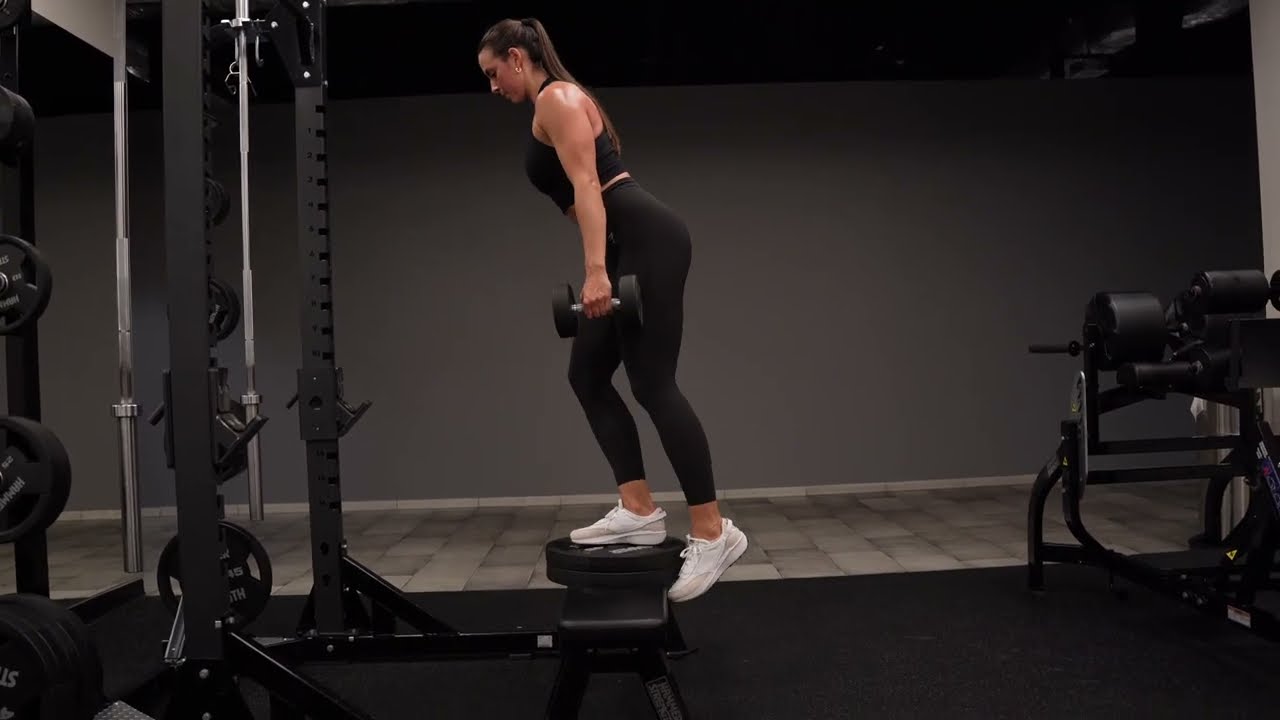
Step-ups are a functional exercise, meaning they replicate the movements we do every day. "It’s just a simple, overall functional exercise that enhances quality of life. It will make walking up stairs with bags of groceries a lot easier," says Jill.
Here's how to do it:
- Set up a secure chair up against a wall for support or a sturdy workout bench.
- Place one foot onto the bench and push through this foot to step up.
- Pause for a moment at the top, then lower back down.
- Make sure you don't push off your bottom foot when stepping up and ensure your knee stays in line with your foot.
3. Arm bent over rows
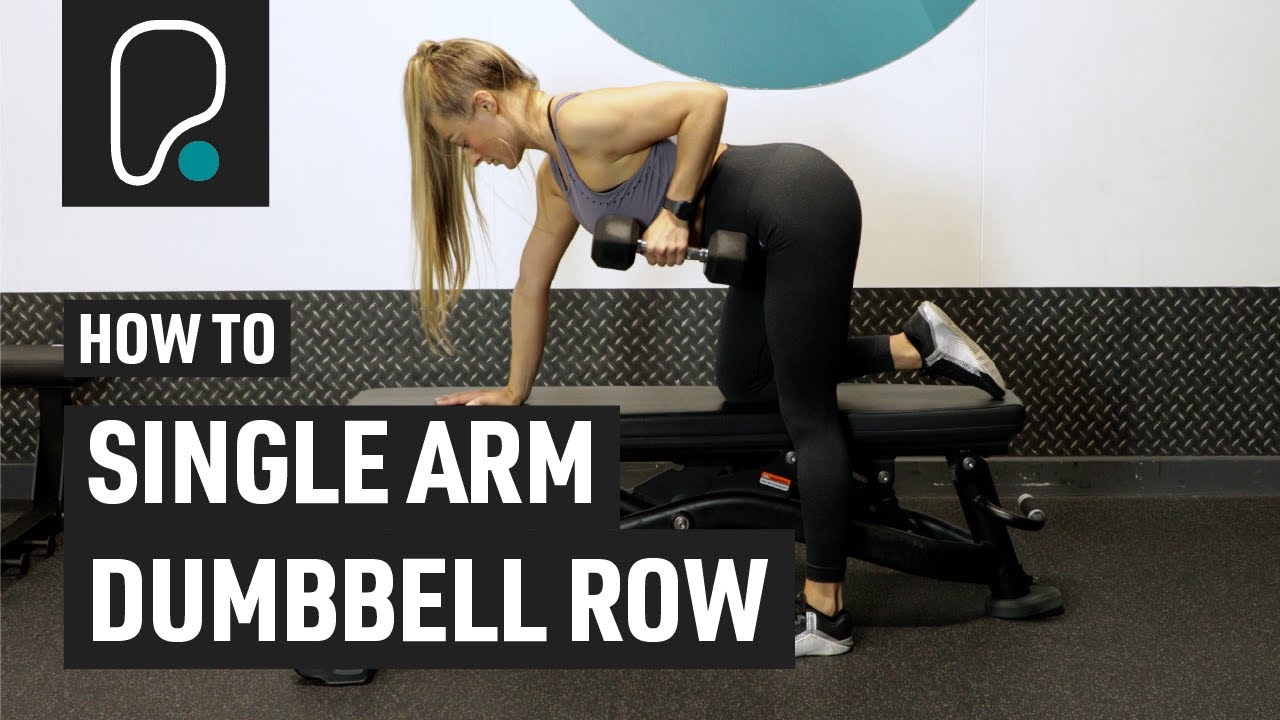
Bent-over rows are part of many upper-body workouts, and there's a way to do them that "engages the core more while strengthening the lats, which are the big muscles on the upper back".
Here's how to do it:
- Place one knee on a workout bench and place the hand on the same side of the body on the bench in front. Bring your other foot out to the side and grab the dumbbell with your non-working hand.
- Bring your shoulder blades back and down, straightening out your weighted arm so it hangs securely next to the bench.
- Press into the bench with your non-working hand. With the other, row the weight up towards your weight.
- Complete the exercise eight to 10 times, then switch sides.
4. Lunge
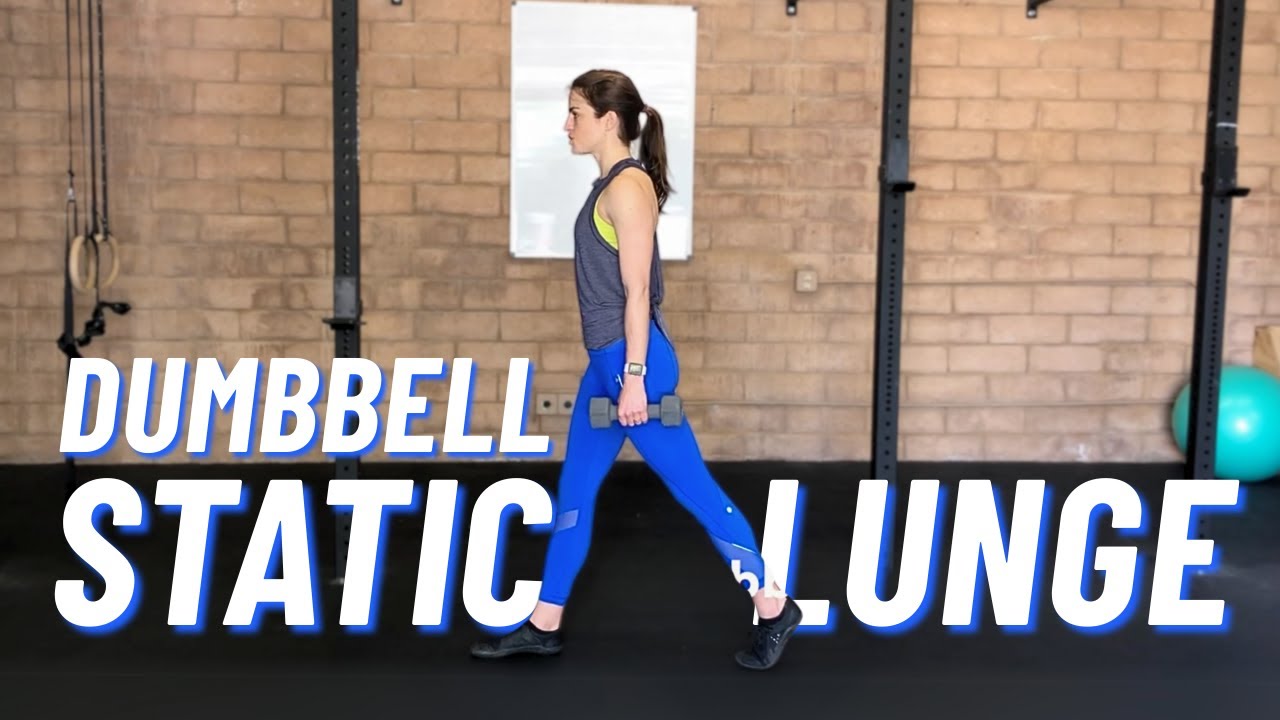
Jill teaches clients "all kinds of lunges" in her workouts, as they teach you to transfer your body weight from one leg to the other while strengthening each leg independently.
How to do it:
- Stand shoulder-width apart with a dumbbell in each hand.
- Step one foot forward, bracing your core for balance.
- Bend both knees, bringing your legs parallel to the floor and your back knee a few inches off the ground.
- Push up through your front foot to return to standing.
5. Overhead press
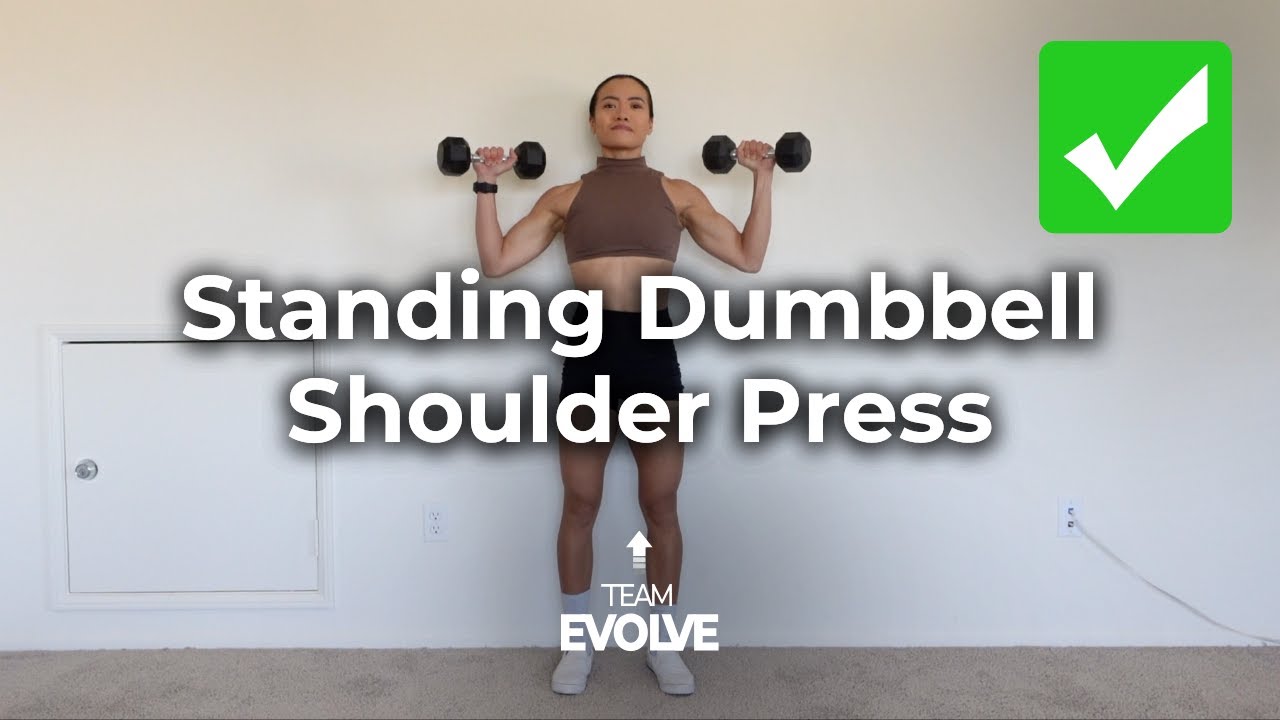
This is another great functional exercise, says Jill. "We need to be able to put things in cabinets above our heads or in overhead bins from time to time."
Here's how to do it:
- Stand with your legs shoulder-width apart, holding a dumbbell in each hand. You can also sit on a workout bench with the back propped up to support yourself.
- Bring each dumbbell to shoulder height, bracing your core.
- Turn your elbows out 45 degrees, so they are diagonally across you, rather than straight out to the sides or in front.
- Push up until your arms are almost straight, but don't lock out your elbows.
- Slowly bring them down until the weights sit level with your shoulders again.
