How to care for a snake plant: expert tips to nurture this hardy houseplant
Follow this simple guide to keep your snake plant happy and healthy


This low-maintenance plant might not demand much from you but its growth rate depends on a clear set of particular care conditions.
As one of the easiest houseplants to keep alive with its stiff sword-like leaves, the snake plant is a perfect choice for anyone starting their plant collection or with limited time to spend caring for plants. Its care guide is similar to caring for a spider plant, not challenging but very rewarding.
Whilst it won't exactly stress you out, the snake plant still has specific needs and we spoke to plant experts to get all the info on these.
How to care for a snake plant: 5 key factors
So whilst you may have mastered how to care for your peace lily, snake plants are an entirely different situation. With watering needs, temperature requirements and sunlight exposure to take into consideration, it's always best to be in the know of your plant's specific wants to avoid making common houseplant mistakes.
1. Sunlight exposure

All different plants need varying amounts of sunlight; the way you care for a bonsai tree is completely different from how you'd care for an orchid, after all.
"Make sure they get enough light. This is really important for Snake plants, and they require bright but indirect light to grow effectively. They can tolerate low light, but prefer bright indirect light," says gardening expert at Gardenstone, John Clifford.
It's important to keep your snake plant out of the direct sun, as this can scorch their leaves, turning them brown and eventually leading to the plant's death.
2. Watering
How often you should water your houseplants depends completely on the species you're tending to, and also the size. One of the easiest mistakes is overwatering, so knowing what watering routine will keep your plant happy is important.
"Water sparingly," warns John. "You should allow the soil to dry out completely in between watering sessions, as otherwise, it can result in waterlogging. In winter, you'll need to water a Snake plant much less frequently as the colder temperatures mean the soil doesn't dry out as quickly."

3. Fertilisation

Fertilising plants is usually a step that gets left to the wayside, but if you're relying on the best plants to help with condensation, you'll want to ensure they're getting all the nutrients they need.
"Use a balanced, diluted houseplant fertiliser during spring and summer. You should do this every 2 months in order to encourage the best growth," instructs John.
Some plants can go a long while without fertilisation. When taking care of a venus flytrap, it can go months and months without any external nutritional help.

4. Cleaning
Knowing how to clean plant leaves is more beneficial than you may have realised; it can be the difference between a happy plant and a dying one.
Whilst there is a recommended method for doing this, keeping on top of your plant's leaves weekly with a simple dusting will ensure there's no overwhelming dust build-up. However, giving them a proper clean at least once a month is a step you shouldn't leave out of your care routine; monstera's and peace lilies will also benefit from this.
5. Potting soil

The very soil that your plant is sitting in has a huge effect on its ability to grow and survive. Many things can go wrong where soil is concerned; you may even have been confused as to why there's mould growing on the topsoil of your plant before.
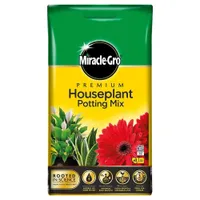
"Always opt for well-draining soil. As waterlogging can be a problem and they don't require a lot of water, use a well-draining potting mix. Snake plants can benefit from succulent-specific soil," explains John.
Choosing the right soil will also mean that your plant is given the right amount of nutrients, just don't forget to fertilise once those preliminary nutrients have been absorbed by the plant.
FAQs
How do you repot a snake plant?
Knowing not only how to repot a houseplant but when you should repot a plant, is a crucial step in long-term plant care. Sometimes, without even realising it, you may have left a plant in a small pot for years, and the chances are it'll be stunting its growth.
"In general, you should need to re-pot your Snake plant every 3 years, depending on its overall size and the size of the pot it's in," starts John.
"Choose a suitable pot size with drainage holes to prevent waterlogging. Make sure that the pot you choose is at least 5cm wider in diameter than the current pot that it's in, and fill it with well-draining soil. Feel free to pot it into a bigger pot than this, too," he continues.
Once that's done, John says to set the plant in the new pot and make sure it's sitting at the right height before covering the roots with compost. When it's in the right place and covered, water the plant well and let any excess water drain out of the bottom.
You won't need to prune a snake plant; however, John does suggest removing any dead, damaged or diseased leaves if you see them. This will give the plant space to grow new healthy leaves and stop any potential disease from spreading to other parts.
