How to care for a money plant – an expert guide to keep this prosperous plant happy
This effective guide will ensure your money plant is thriving and growing to it's full potential


As one of the most popular houseplants out there, you may think there's no need to know how to care for a money plant but as this expert guide shows there are simple tips that will benefit your care routine.
Despite the money plant being one of the easiest plants to keep alive, there are still specific conditions needed to get the most out of this plant. Also known as the jade plant, this species is thought to be one of the best indoor plants for your health and well-being.
Here's a helpful expert guide on how to look after your money plant and keep it growing strong for years to come.
How to care for a money plant: An expert guide
From knowing how often you should water your houseplants to keeping pests away, there's a lot of work that goes into caring for an indoor plant. With that in mind here are the five steps for ensuring your money plant thrives.
1. Consider placement

Knowing the right placement for your plant in your home can be a matter of life or death, not to be dramatic, but it's very true. Too much sun exposure or heat is one of the most common houseplant mistakes to avoid, and this isn't an exception for the money plant.
"The money tree is a plant that communicates a lot of information with its leaves. It wants bright and indirect light. Supplemental lighting can help as well. Look for the colouration of its leaves. If they start to yellow, that’s a sign they want more light," starts Petar Ivanov, the gardening expert at Fantastic Gardeners.
"If you find sun scalds on the leaves, move the plant away from its current spot to one with less direct light. It can be a little tricky to find the right place for a money tree plant inside your house. It thrives best in temperatures from 10 to 32 degrees C," he adds.
2. Sufficient watering
Whilst watering may seem like an easy enough task when it comes to maintaining plant life, some species require very different amounts. Too much watering and you may be left asking why there is mould growing on the topsoil of your plant.
"When it comes to watering a money plant, always look at its native growing conditions," explains Petar. "Mimicking those as best as possible indoors will be the best you can do for your plant to thrive."
Petar explains that the money plant's native environment consists of intense watering periods along with periods of intense drought. He says, "To mimic that, give our plant two to four extremely deep and heavy waterings throughout the month and, after that, let the soil dry out completely. Make sure that eventually, the soil is well watered."
It's also important to note that the money plants love humidity, so if there is excess water in their tray, that isn't the end of the world.

Peter has been a gardening and plant expert at Fantastic Gardeners for over 8 years, he is now one of the company's top-performing experts and manages over 6 teams of gardeners. He works on creating stunning landscapes and prioritises sustainability in his gardening methods.
3. Maintaining soil health

Soil is an extremely important part of caring for your indoor and outdoor plants. Especially if you're learning how to care for an orchid or taking on the challenge of looking after a bonsai tree.
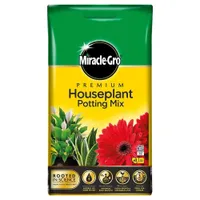
"A money tree wants a peat-loam mix soil. Loam is the perfect mix of sand, silt and clay. In the natural world, it’s this really nice, loose, friable and fertile soil. A good indoor potting mix with good drainage will be perfect for a money tree," begins Petar.
"You can add a little peat or coconut core to help it retain a little more water, as long as you don’t get to that point where once you water it, it’s wet forever. That can lead to root rot. Besides that, most indoor potting mixes will work fine for a money tree," continues.
4. Necessary pruning
Whilst you may know what plants you should be pruning this month in your garden, pruning houseplants calls for a slightly different method and regularity.
"When it comes to pruning and training, a money tree plant mostly comes trained. If you shuffle its leaves, you’ll probably already see some pruned-off stems. If you want to keep the stems’ braiding going, you’ll have to do it when the new stems are still pliable; otherwise, it won’t work out," explains Petar.
"Usually, they can do that on their own, but sometimes you have to help them a little. Use a little band to keep the new stems together while you’re training them. Cut out all the offshoots (the leafy nodes that are coming off). Pruning a money tree plant is only necessary to shape it. You don’t have to prune it for any specific reason. Pretty much everywhere you cut it back, it’ll be able to grow out again," he continues.
5. Pests and disease control

As is true with how to get rid of leatherjackets in a lawn, being aware and ready for plant pests is the best way of stopping them completely. There are a few pests and diseases that you may encounter when caring for a money plant.
"Most of the problems connected to pests and diseases will be apparent in a money tree’s leaves. With it, there is the potential for fungus, gnats and aphids," points out Petar.
"Overall, the plant is relatively low maintenance and grows on its own, provided that you water it according to its needs. If you over-water it, you’ll run not only the risk of root rot but also fungus gnats that like the moist uppermost layer of soil," he adds.
FAQs
How do you repot a money plant?
Knowing when to repot your plant and how to repot your plant is a very important step in keeping up its long-term maintenance.
"When you're repotting your money tree, first carefully remove it from the pot, gently untangle its roots if they're tangled and cut away any mushy ones with a sharp and clean knife," explains Petar.
"Put potting mix into the pot until the root ball is covered well with around 2,5 centimetres of soil. Finally, fill in any remaining holes around the plant. Finish by watering the tree until the water drains from the bottom of the pot," continues.
You will only need to repot your money plant around every two years, but just make sure to keep checking on its root growth. If they're growing out of the pot, then it may be time for a repotting.
Now you've mastered how to look after your money plant why not start collecting the best fragrant plants to make your home smell good? There are so many species that can rid your house of unwanted smells, there are even certain species of plants that can make your kitchen smell good.
