Struggling to focus? Try these 7 daily brain-boosting habits a psychiatrist swears by
Our brains have been trained to chase 'easy dopamine' - but we can restore focus, motivation and energy with a detox


If you’ve ever found yourself struggling to focus on bigger tasks, you’re not alone. Many people’s attention spans and motivation might feel shorter or more stretched – and this is because we’ve been 'trained to chase easy dopamine'.
On an episode of her popular podcast, Mel Robbins - who has previously shared such incredible tips as her backwards bedtime habit for better sleep - speaks with Dr Anna Lembke, the medical director of Stanford Addiction Medicine and bestselling author of Dopamine Nation.
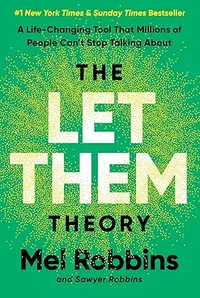
Delving into it in detail in the episode, the general principle they offer up is that, the more we allow ourselves these quick, easy wins, the less rewarding they feel. Which, in turn, means we rely on it more and more to activate the pleasure principle in our brains.
Because a lot of it stems from the immediate gratification available from digital devices, Mel and Anna explore simple, daily habits everybody can do to start a gradual dopamine detox.
These tips are as simple as focusing on our diet - swapping out ultra-processed snacks for more whole foods and more high-fibre foods - or changing the settings on our devices.
1. Deleting apps
A self-explanatory one, but limiting the apps on your devices to only the essentials will help you control how long you scroll.
This is especially helpful when it comes to things like getting up in the morning. Mel and Dr Anna talk about ignoring the desire to "just check this" or send a quick text in bed in the morning. Instead, get up right away and try to start your day, get out in nature, or move around.
2. Turning off notifications
Another simple one here. Do you need everything on your phone to notify you right away, or can you keep it to the important stuff?
Turn on 'greyscale' on your devices
Dr Anna mentions "going greyscale" on your devices, which refers to a setting that swaps out vibrant colours into a dull grey. It’s a proven method to reduce screentime and is said to break the behaviours that have us obsessively checking our apps and screens.
To activate greyscale, on an iPhone/iOS, go to Settings - Accessibility - Display & Text Size - Colour Filters. Click the toggle to turn on Colour Filters and then select Greyscale.
On an Android, it’s found via Settings - Accessibility - Colour and Motion (or Vision Enhancements) - Colour Correction - turn on greyscale.
Keep digital mediums to a fixed spot
A uniquely modern-day problem, the rise in flexibility across all our devices means we’re always plugged in to something.
Dr Anna told Mel a simple habit to adopt is keeping as many of your digital apps or platforms to a fixed location. Instead of being able to walk around checking your phone for example, have them fixed to your laptop or desk area.
5. Avoid ultra-processed foods
Trying to keep our diet based around whole foods can help us avoid the dopamine rush of an ultra-processed snack.
Dr Anna explained how it’s important we focus more on "getting the calories we need [without] getting this incredible spike of dopamine that we get from ultra-processed food, which is what has us continuing to consume it even after we’re full".
6. Limit the stress related to work
Arguably a trickier one for many, but Dr Anna explained this is more about the ways in which the satisfaction of getting a job done is becoming harder to achieve.
She said, "Not all work gives us that sense of natural reward or satisfaction at the end of the day, either because there's too much of it, we pressed too hard on the pain side of the balance, or it's the kind of work that's really been divorced from the meaning of work".
7. Be mindful about rewards after a hard day
Connected to point six, if we’re not feeling a sense of pride and joy at having completed a hard day’s work, many will turn to a quick fix.
From a glass of wine to some chocolates or an episode of our box-sets, it’s a natural response to stress. And while this isn’t necessarily a bad thing - Dr Anna isn’t saying you can’t ever give yourself a treat - it’s more about being mindful of how we do it, and how much.
She explained, "If we've had a really rough day… we will not have the ability in that context to moderate our consumption."
You must confirm your public display name before commenting
Please logout and then login again, you will then be prompted to enter your display name.