I'm a coach in my 40s - here's what we get wrong (and right) about running in perimenopause
Sabrina Pace Humphreys, 47, has run multiple ultra distances on trails around the world in the last few years


Among women, running is more popular than ever. The London Marathon broke records for admission this year and almost reached an equal male/female applicant split. Over the last few years, the number of female runners over 50 in the race has risen by 65%.
But as much as this is excellent news, a small sign that the disparity between men and women in running could be coming to an end, millions of women are put off by warnings that it's 'bad' for your knees, spikes cortisol levels, or can make perimenopause symptoms worse.
Is running good in perimenopause?
Running, like any activity, from yoga workouts to indoor cycling, is a useful way to improve physical and mental health. In perimenopause, women become more at risk of conditions like osteoporosis and sarcopenia (muscle loss) with declining hormone levels, but also cardiovascular disease, stroke, and diabetes. With regular exercise that reaches moderate intensity, the risk goes down.
While running will naturally elevate levels of cortisol - just like going for a brisk walk or any other higher-intensity exercise would - it can also positively affect your hormones, says Sabrina. "It won’t replace declining oestrogen, but gentle aerobic running can reduce hot flushes, improve mood through increased endorphins, regulate cortisol, and even support better sleep - something every woman in menopause deserves more of," she says.
Research in Cureus shows that it can noticeably improve most perimenopause symptoms, but particularly expected feelings of 'pins and needles', irritability, headaches, muscle pain or tenderness, fatigue, hot flushes, and insomnia.
Studies are hesitant to conclude when it comes to mental health conditions like depression. But anecdotally, Sabrina says that many women find the "mindful approach calms anxiety and brain fog, helping them reconnect with their bodies rather than feeling at war with it".
What changes?
If you've been running for years already, you might find that nothing changes when you start running in perimenopause. For those new to running, Sabrina says menopause "isn't a closed door to you embracing this amazing form of movement", but your pace and recovery may look different to others.
For example, steady-state aerobic runs can provide all the benefits of running without taxing the body too much, causing dizziness, sudden fatigue, or 'tired-but-wired' feeling that are signs of high cortisol levels.
Steady-state aerobic runs are moderate-intensity exercise. For an easy run, that's 60% of your maximum heart rate. If you want to push yourself a little more, it's up to 80%. To find your maximum heart rate, calculate 220 minus your age. To keep an eye on your heart rate while you're on the move, you could use a running watch or go by how you feel.
"Menopause isn’t the end of your running story. It might just be the start of your most powerful chapter yet," says Sabrina. "I truly believe that this phase of your life can be one of the most powerful times to begin. You can build strength, stamina, and confidence.

This is Sabrina's guide to take you from sitting on your sofa to running your first 5km in 10 weeks. It blends coaching, advice, and women's running stories for anyone looking to take up the distance.
Tips for running in perimenopause
- Start slow: If your goal is a marathon but you've never run before, try Couch to 5km - or Sabrina's new book: Start Where You Are: The Beginner’s 5k Running Guide for Women. This will take you through what it means to "run on feel" and get going.
- Add strength training to your routine: New research says that mixing up your exercise routine is key to longevity. It's also key to staying injury-free when running. "Support your tendons and joints with gentle warm-ups, mobility, and strength training because lower oestrogen affects elasticity and increases niggles such as Achilles issues," Sabrina says. This is also true regardless of your life stage, and there are dedicated strength training for runners workouts you can follow.
- Prioritise recovery: "First, recovery matters more than ever. Hormonal changes mean your body may need extra rest days and a slower build," she says.
- Find your community: As much as it's great to run with friends, it can have a Marmite effect with some people, where they love it or hate it. Explore running clubs in your local area to find new friends if needed.
- Think about your comfort: "You want breathable layers, a supportive bra, and trainers with room for natural foot swelling to make running far more enjoyable," says the coach. Unsure where to start? Head to your local running store and book a gait test. This will reveal how you run and help you find the best running shoes for you.
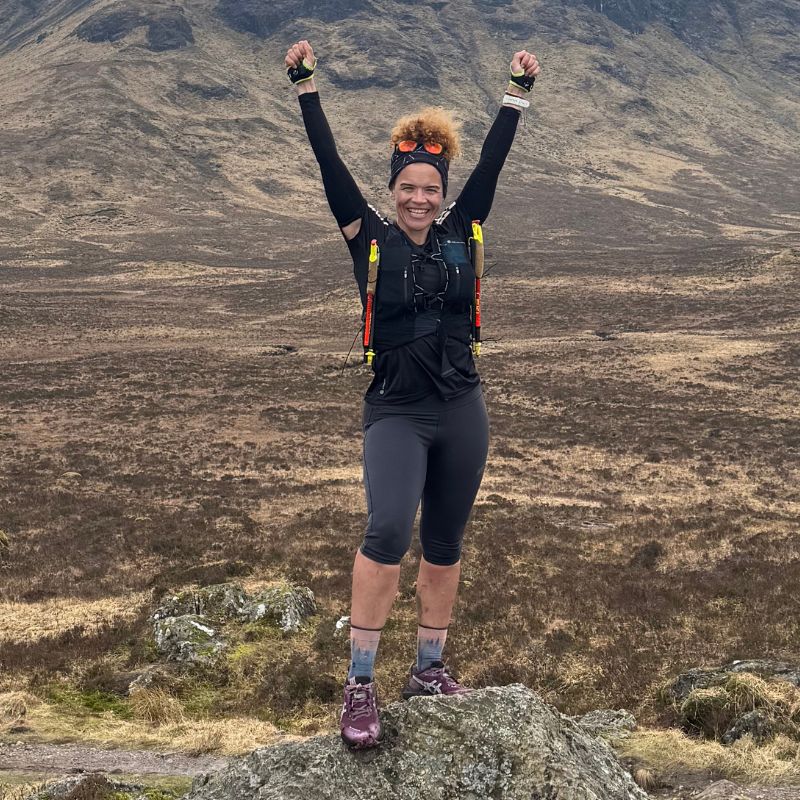
A 47-year-old mother of four and grandmother of three, Sabrina took up running in 2009 as a tool to manage her post-natal depression and nine years later, completed the 'toughest footrace on earth', a 250km multi-stage ultra-marathon across the Sahara Desert, known as the Marathon des Sables, as the eleventh British woman.
She is now a UK Athletics qualified Leader and Coach in Running Fitness, a qualified personal trainer, a community leader and a motivational speaker with a passion for helping other women, wherever they are in their running journeys.

You must confirm your public display name before commenting
Please logout and then login again, you will then be prompted to enter your display name.