Forget jumping - these 3 bodyweight exercises improve bone density and stability without putting you off balance
Jumping is seen as the go-to exercise to protect bone health, but exercising to reduce your risk of osteoporosis doesn't have to be so intense


Bones need load to get stronger. Recently, some experts have suggested that jumping workouts - like doing 50 jumps every day - are a good way to load up the skeleton to improve bone density.
It's not wrong. Women lose up to 20% of their bone density in the years after menopause, and jumping is a high-impact exercise that helps create bone-forming cells in the body. When you land, the strain on the legs, hips, and spine triggers the creation of cells called osteoblasts. These cells help improve bone density over time.
However, not everyone can jump around easily. Phil Evans is a chartered physiotherapist who has spent more than 20 years working with women over 50. He says that simple bodyweight workouts are a good starting point if you're new to strength training or struggling with your balance.
1. Sit-to-stand
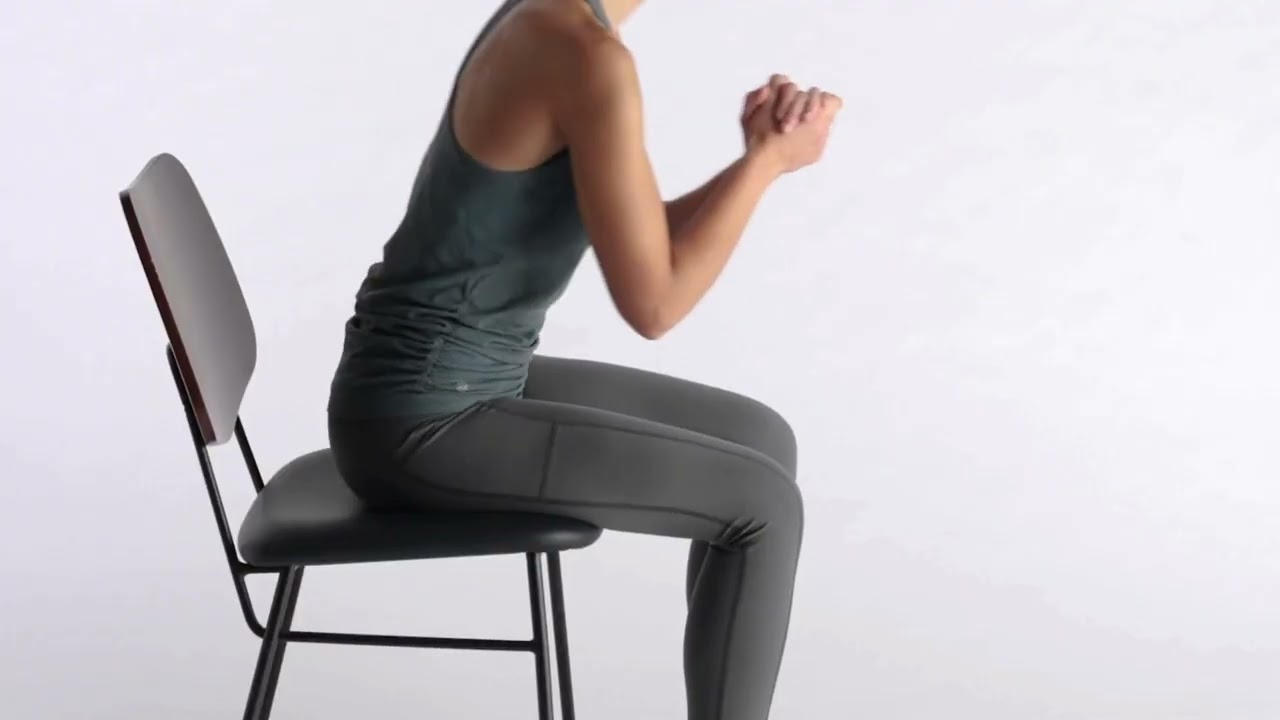
The sit-to-stand exercise is very similar to a squat, but it doesn't require the same stability. It strengthens the thighs and glutes, muscles you rely on every time you get out of a chair or climb the stairs. "Strong legs also make you steadier on your feet, which helps to prevent falls," says Phil.
How to do it:
- Sit towards the front of a chair with your feet underneath your knees.
- Lean forward slightly and stand up using your legs rather than pushing through your hands.
- Slowly lower yourself back into the chair.
Expert tip: Pay as much attention to sitting down as standing up, says Phil, who is also the founder of Urban Body and author of Built to Last After 50.
"A lot of people get halfway down and then drop into the chair. Try to lower yourself slowly over three to five seconds and stay in control," he says.
2. Step-ups

Step-ups combine weight-bearing exercise with strength, balance, and control on one leg, says Phil. "I like them because they're a movement you actually use in everyday life. Every time you climb stairs, step onto a kerb or walk uphill, you're asking one leg to support and lift your body."
How to do it:
- Use the bottom step of your staircase and hold the bannister if you need support.
- Place one foot fully onto the step, move your weight over that leg and push through your heel to step up.
- Step back down slowly and repeat before changing sides.
Expert tip: Keep your foot, knee, and hip roughly in line, rather than allowing the knee to collapse inwards, he says. "Focus on pushing through the leg that's on the step rather than pulling yourself up with the other leg."
3. Wall press-ups
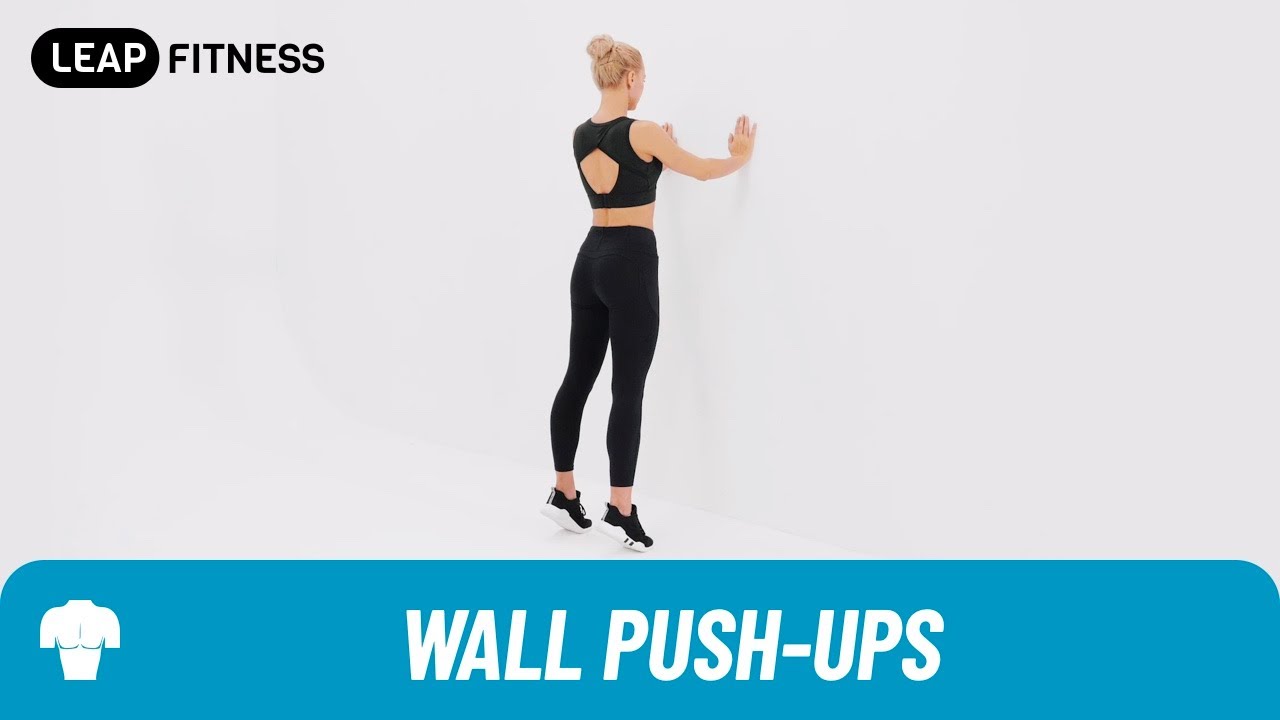
Bone health isn't just about your hips and legs. "A wall press-up gives your upper body some load to work against while strengthening your chest, shoulders and arms. It's also easy to adapt for someone who isn't comfortable getting onto the floor for a traditional press-up," says Phil.
Here's how to do it:
- Stand facing a wall with your hands around shoulder height and slightly wider than your shoulders.
- Step your feet backwards, keep your body straight and slowly bend your elbows to bring your chest towards the wall before pushing yourself back out.
Tips for better bone density
- Make the exercises harder: Phil says these movements shouldn't stay easy forever. "Your body adapts to what you ask of it, so once an exercise becomes comfortable, give it a little more to do."
- Add weights: "These exercises are a good place to start, but improving bone strength requires your body to be challenged progressively over time," he says. Do the same movements with dumbbells to make them harder, increasing the weight over time.
- Develop your balance: "Stronger legs and better balance also make you steadier on your feet, which helps reduce the risk of the fall that causes the fracture in the first place."
- Start where you are: Whether you've never done regular exercise or you do it all the time, everyone starts somewhere with resistance training. "Just keep building," says Phil.
