How to keep mice out of your house – 5 top tips from pest control experts
Mice are a common house pest and whilst they seem harmless you may want to give some of these prevention tips a try to keep your wires safe


Whether you've seen these furry little pests in your home or not, it's always a good idea to know how to keep mice out of your house to prevent any possible sightings.
If you have any learnings of how to keep rats out of your garden, you'll already be well versed in the ways of rodent repellent. However, it's important to note that mice can be a little more tricky – both to spot and to deter.
Whilst these tiny little creatures may appear harmless, and rather cute, they cause quite a lot of damage to your home especially if they establish a nest.
With this in mind, we asked pest control experts for their best tips and tricks to keep the long-tailed visitors away.
How to deter mice from your home: 5 expert tips
When it comes to mice infestations, prevention is much more efficient than finding a solution to get rid of the mice. Luckily there are many ways to deter mice from your home, here are five expert-recommended tips...
1. Remove food sources

Having any amount of food in the open in your home can attract pests of all kinds. It can leave you trying to get rid of tiny black flies in your house and like trying to deter rats from your home it will certainly be an enticing attraction for mice too.
"Remove any sources of food, store open food items in sealed air-tight containers and clear away any crumbs," advises Daniel Steward, Shield Pest Control's managing director. "Don’t keep pet food out overnight either. Rodents are nocturnal which means they will be most active during the night."
That means making sure your tasty leftovers are put in the fridge as soon as possible or you might wake up to see something else has enjoyed your food for its midnight feast.
2. Seal entry points
Similar to keeping spiders out of your house, it's important to remove any easy access for pests to enter your home. Where you'd patch up a fence in your garden, you'll need to cover grates and seal spaces near piping for your home.
"Seal entry points into the property including any open-air bricks and gaps around internal flooring. Open-air bricks can be sealed with specialist air brick covers or wire mesh with holes smaller than 5mm," explains Daniel.
"Door base gaps can be sealed with nylon or rubber brush strips. Never use expanding foam as rodents can gnaw their way through. Mice have also been known to hollow out the centre and use it for nesting as it offers an insulated home," he continues.
A neat trick you can use if you're unsure if a possible gap could squeeze a mouse through, Daniel suggests using a pencil to test it. If you can fit a pencil through the hole it's big enough to grant a mouse easy access.
3. Keep your house clean

It can be a good idea to stick with any daily habits to keep your home clean and tidy. Especially if you suspect a mice infestation, as having clutter around will attract even more of them.
"Regularly cleaning your home removes potential nesting sites for pests. Dust, debris, and build-up in hidden corners can provide rodents and insects with the perfect shelter. By routinely vacuuming, sweeping, and wiping down surfaces, you can eliminate these hiding spots," begins Dan Hancock, Managing Director at Mesh Direct.
"In addition to cleaning, reducing clutter can minimise the number of places where pests can hide. Pay attention to neglected areas like basements, attics, and storage rooms where they might seek refuge, keeping a clean and organised space," he adds.
4. Look out for possible signs of mice
Whilst it won't directly affect any nosey mice, having regular inspections of your house to see if there's been any pest disturbance is an extremely important step. This isn't something you should leave to spring cleaning; it is best to do this at least monthly.
"Schedule regular inspections to identify and address any infestations," suggests Dan. "By making these assessments part of your cleaning routine, you can spot early signs of pest activity before it escalates."
He recommends focusing on trouble spots such as entry points, cluttered areas and unused rooms. Dan explains, " Look for telltale signs like droppings, gnaw marks, and nests. If you notice any indications of pest presence, take swift action to mitigate the issue by sealing entry points or implementing pest control measures."
These regular checks are a cost-effective way of preventing possible large-scale infestation and help maintain a pest-free environment.
5. Use natural repellents

Using particular natural scents to keep pests away is one of the best natural, harmless repellents; it can even help with deterring neighbourhood cats from your garden.
Mice have super-sensitive noses, so using scents they don't like, such as peppermint, is a safe and humane way to get them out of your home. You can also plant certain herbs or plants like rosemary, sage and onions can have a more subtle effect on the pests.
FAQs
What attracts mice to your house?
When it comes to the reasons that pests are drawn to your home, whether in your garden or inside your house, there are three common points. Food, shelter and water are the cornerstones of what will most definitely be enticing the pests to your spaces.
"Mice are attracted to a person's home because they are looking for food and harbourage. In the winter months, when it is cold, and there is a shortage of natural food, they are forced to look elsewhere, i.e. in your house," explains John Stewart, Pest expert from Pelsis.
Along with food, water and shelter, mice can also be drawn to other mice droppings. Robert says that there are pheromones in the animal's urine and droppings which tell other mice that your home is safe and hospitable, making it a perfect place to live and breed.
What damage can mice do to your house?

While they may be very small creatures, mice can be surprisingly destructive. Small pests can usually do just as much damage, but what makes them worse is that due to their size, they're often impossible to detect until it's too late. An example of this is the problems leatherjackets cause to your lawn.
"Mice, like all rodents, have continuously growing incisors and need to gnaw to keep them at a manageable length. They do this by gnawing on building materials such as cables, plastic and copper pipes, creating a risk of flooding, fire or electrical damage. I have seen plasterboard ceiling collapse after being soaked with water from gnawed plumbing pipes," begins John.
"Mice will gnaw through food packaging to gain access to a nutritious snack; they only require 3 grams of food per day, thus keeping a clean kitchen is paramount," he adds.
"Mice deposit droplets of urine all over the property to scent mark and communicate with other individual mice. This, coupled with 80 droppings per day, can lead to infections such as Salmonella, lymphocytic choriomeningitis and Listeria. If trying to clean areas where mice have been, use gloves, biocides and a P3 filter mask to prevent disease," continues John.
Should you be taking pest control into your own hands, then there are legislations and animal welfare conditions you need to stick by.
Causing unnecessary stress or harm to any animals is not the way forward, so should you have a particularly bad infestation, it's recommended you leave it up to the professionals who can choose the best course of action.

RRP: £11.45 | Use this large bin for your compost or other kinds of larger garden waste. With a secure locking lid and waterproof finish, no mice or other pests will be able to get in - and they shouldn't be able to smell anything either.

RRP: £11.20 | A handy gap sealant like this can help to keep pests away, both in and outside the house. Non-toxic and ideal for cracks, joints, holes and seams, you'll want one of these on hand.

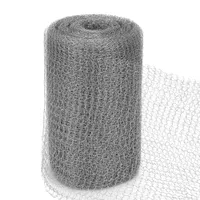
RRP: £4.99 | This steel wool is ideal for sealing even the smallest of gaps. It acts as a physical barrier to stop mice from trying to squeeze into your house and is completely harmless too. The flexibility of the material makes it perfect for any space.
