My garden's full of slugs, what do I do? Here's what gardening experts recommend
Dealing with a slug invasion? Don't panic, the gardening experts are here with their humane tips and tricks


They're one of the most unwelcome visitors in the garden, and yet they quickly become the most common. When slugs invaded my garden, I'll admit I panicked, but luckily, there are a few effective yet humane ways to deter them.
Whether you're starting vegetable gardening for beginners or are planting some prized flower beds, the last thing you want in your space is a growing population of slugs. Aside from attracting more birds to my garden to help with the slimy critters, I needed more efficient steps to help not only get rid of the slugs but also prevent any more from showing up.
Article continues belowIs your garden full of slugs? Here's what to do
As the weather starts to warm up and we begin sorting our gardens out, you may start to notice that unwanted slimy guests have taken over your plants – which is exactly what happened to me this week.
If you've suffered the same fate, don't worry, all hope is not lost, and you will have a slug-free garden again. Try these effective, expert-recommended solutions to send the slugs on their way and prevent them from returning.
1. Try natural deterrents

If you're not already reusing household waste in your garden, now is the year to start. Not only can you use eggshells in your garden as a fertiliser, but they're a fantastic natural slug deterrent.
"Slugs don’t like to move over sharp edges, so surround your garden beds with crushed eggshells to discourage them. As a bonus, the eggshells will break down and improve the soil," explains Chris Bonnett, gardening expert and Founder of GardeningExpress.co.uk.
You can use coffee grounds in your garden for the same thing, too. "Sprinkling coffee grounds around your plant is an effective way to deter slugs and snails, as they don’t like the strong aroma, and the texture is also unpleasant for them to crawl over. Like eggshells, coffee grounds can also enrich the soil as they decompose," he adds.

Chris is the founder of the online garden centre GardeningExpress and has been in the horticulture industry for over 20 years. Whilst he was young he combined his passion for the outdoors with the internet to deliver quality plants across the UK and Europe.
2. Apply beneficial Nematodes
Similarly to when you're trying to get rid of rats in your garden, you'll want your slug solution to be effective the first time around. Pests are a challenge, even more so when you're taking the humane route.
“One of the most effective and wildlife-friendly solutions is using beneficial nematodes. These are naturally occurring microscopic worms that live in the soil and act as a form of biological pest control," says Tessa Cobley, plant pest expert and owner of Ladybird Plantcare.
“When applied to the garden, they actively seek out slugs in the soil and release a natural bacterium that stops them from feeding. The clever part is that they’re extremely specific – they only target the pest they’re designed for and won’t harm birds, pets, hedgehogs or other garden wildlife," she adds.

Tessa highlights just how easy they are to apply to. She recommends storing them in the fridge until you're ready to use them, then just mix the powder with water as per the instructions. All you need to do then is add the solution to a watering can and water away.
“Once in the soil, the nematodes get to work, searching out slugs beneath the surface where they’re often hardest to control," explains Tessa. “A handy tip: remove the fine rose from your watering can or use one with larger holes. This prevents the nematodes from getting stuck and helps them reach the soil where they can do their job.”

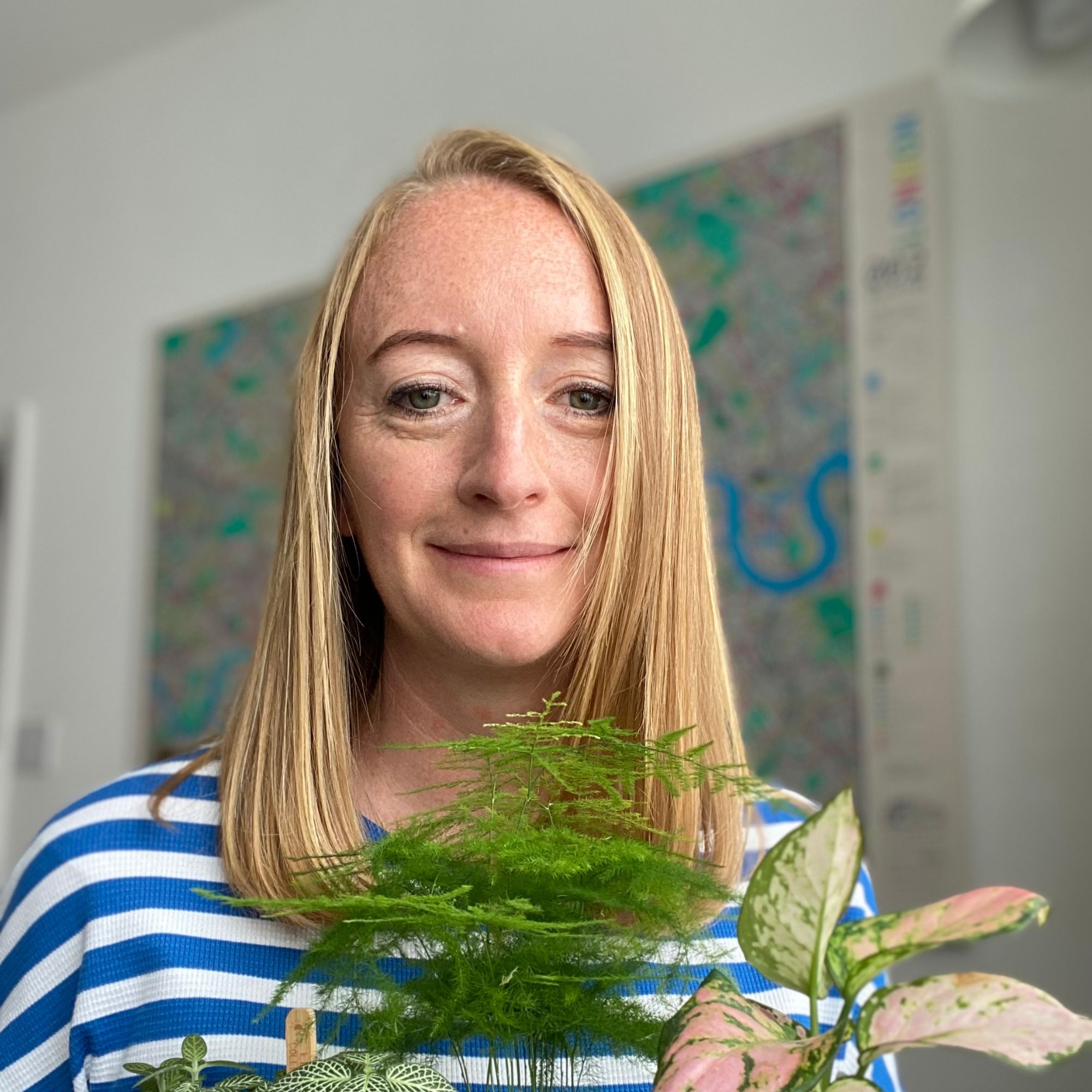
Tessa specialises in diagnosing and managing pest problems across a wide range of environments. Her work focuses on biological pest control, using nature’s own systems to keep plants healthy. That means introducing or encouraging “good bugs” such as predatory mites, nematodes, ladybirds and other natural enemies to control pests without relying on chemical pesticides.
3. Apply copper tape
Should you be participating in the rewilding trend, then you may be looking for ways to reduce slugs without affecting any other wildlife. Copper tape is a fantastic way to do that; it's completely harm-free and won't become an eyesore in your garden either.
"Copper tape acts as an effective barrier to keep slugs and snails away. That’s because when they come into contact with copper, it creates a small, harmless electric charge that repels them," explains Chris.
You might have to change it once a year, but for the cost, it really isn't too much of an inconvenience.

Copper tape is a fantastic natural repellent that doesn't need to be reapplied regularly. It will stick to practically any surface and last through all weathers.
4. Set up a beer trap
From garlic pest repellent sprays to plant pot hacks, there are so many unusual tricks out there for steering off unwanted garden guests. This one is certainly one of the strangest ones I've heard.
“Like lots of people, when slugs catch a whiff of beer, they can’t stay away! The yeast in the alcohol will draw them away from your plants, and they’ll end up in a pint instead,” says Huw Richards, GARDENA ambassador and Sunday Times best-selling author.
"Dig a shallow hole in a corner of your garden that’s as far away from your plants as possible. Place your small container in the shallow hole so that the rim is just below soil level - this will make sure the slugs can crawl right in," he instructs.
All that's left to do then is to pour in your beer until the container is about halfway full. Then simply leave overnight and wake up to see results in the morning. Empty and refill as you need.
5. Catch and release

Okay, so this won't be the most popular method, especially if you find slugs particularly gross. However, if you want a mass removal, this can be a pretty smart, low-effort way to achieve it.
"To relocate slugs, place a piece of damp wood near areas where they are commonly found. Since slugs are drawn to dark, moist environments, they will likely gather underneath it overnight. In the morning, simply collect them and release them far from your home," Chris suggests.
Taking the wood to a nearby forest or environmental area will remove the slugs from your home and also help a local ecosystem. The birds will be particularly grateful for it.

Keep your hands protected and add these popular and lightweight gardening gloves to your kit, which feature knitted wrists and a pretty print.
How to get rid of slugs in garden beds?
Should you be tired of slugs eating your favourite late summer flowers, then your garden beds might need a little more protection and care.
“Prevention is always the best strategy," starts Tessa. “Introducing beneficial nematodes early in the season can help control slug populations before they have a chance to explode. Regular applications keep the numbers manageable and reduce the risk of large outbreaks later in the year."
She also recommends staying vigilant and regularly checking your pots and planters. If you do spot slugs, remove them by hand; this will make a notable difference.
“The most powerful long-term solution is creating a wildlife-friendly garden. Plant a mix of flowers that attract insects and birds, provide water for wildlife, and create sheltered spaces for creatures like hedgehogs. A biodiverse garden naturally keeps pest populations in balance – and makes your outdoor space livelier and more enjoyable too," Tessa continues.
Why is my garden overrun with slugs?
Are you having the same issue as me and wondering why on earth there are SO many slugs in your garden? The reasons the creatures come into your garden can help you understand why a little more.
“Slugs are simple creatures – give them moisture, shelter and something tasty to eat, and they’ll happily move in," explains Tessa.
“Damp soil and shady corners are slug heaven. They love gardens that stay moist, as it makes it easier for them to travel across the soil. After long periods of rain, the soil becomes soft and easy to move through, which makes it even easier for them to explore your borders," she adds.
If you've been adding new plants in line with the garden trends, then these young plants and fresh seedlings are another attraction for slugs. Tessa explains that small tender plants, especially in wet weather, are like an all-you-can-eat buffet for slugs.
Should you be looking for more natural ways to reduce pests in your garden, we recommend trying planting marigolds in your garden. The bright orange flower is an all-natural garden hero and can protect your other plants from pests just with its natural scent.

You must confirm your public display name before commenting
Please logout and then login again, you will then be prompted to enter your display name.