Want a low-maintenance flourishing garden? These self-seeding flowers do all the hard work for you
Whether you're short on time or begrudge being in the garden, these flowers are perfect for your plot


Not everyone wants to spend all day working away in the garden, sowing seeds, tending to flower beds and weeding. Luckily, there are more than enough plants that lend a helping hand by distributing their own seeds and growing independently.
If you're not worried about keeping up to date with the latest garden trends but do want an impressive-looking plot that boasts some of the best cutting garden flowers, there are easy ways to accomplish that. You needn't be in the garden 24/7, digging away and sowing seeds, to have a flourishing, thriving garden.
5 Self-seeding flowers for a low-maintenance plot
As well as reducing gardening costs, choosing self-seeding flowers can help keep your gardening to-do list to a minimum.
"The most reliable self-seeders tend to be biennials and airy gap-fillers that produce lots of viable seed and are happy to germinate on the soil surface," explains Dr Russell Sharp, Founder of Eutrema.
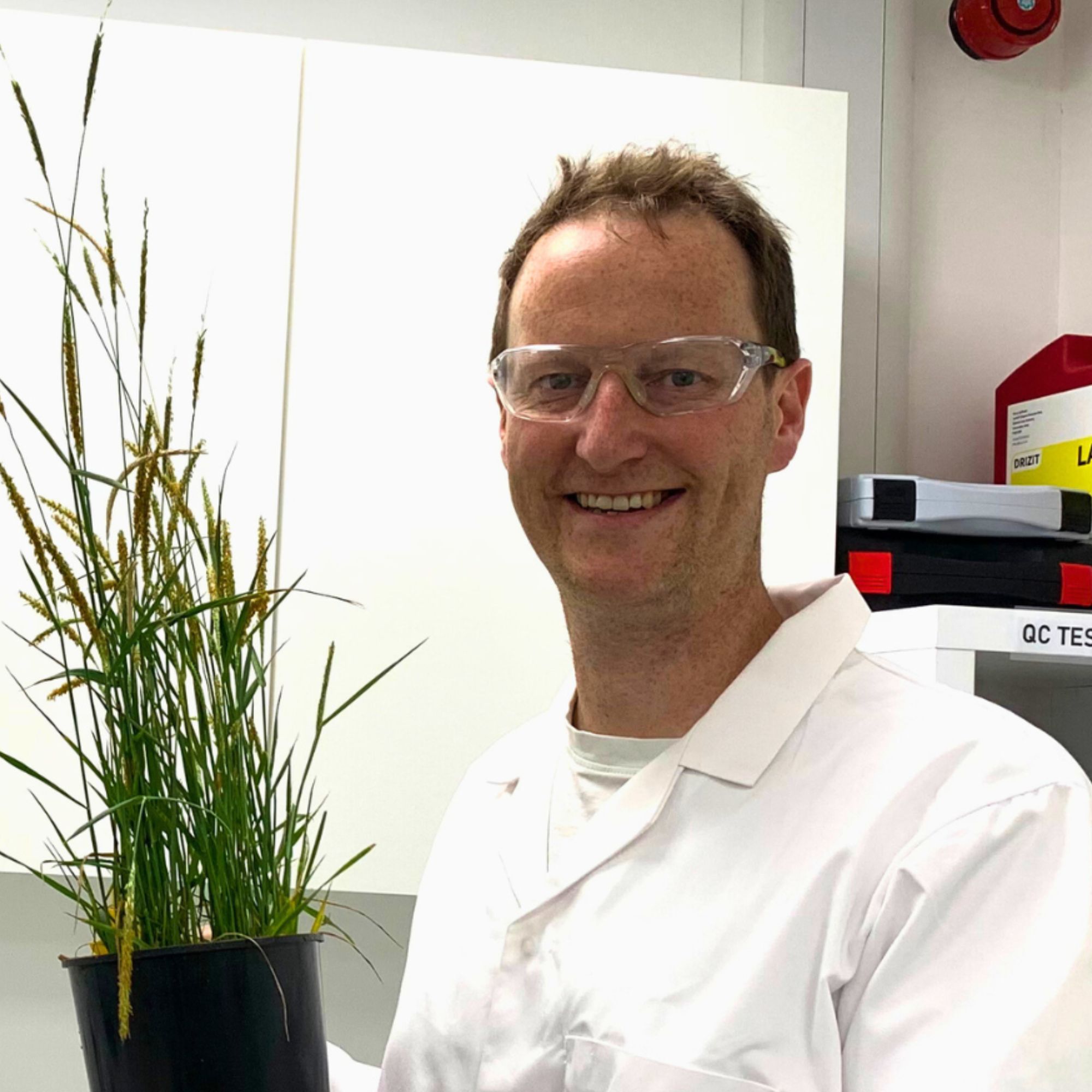
Dr Russell Sharp is a plant scientist and innovator, best known for developing the range of plant care products offered by his company, Eutrema. He previously served as Senior Lecturer in Horticulture at Moulton College and Northampton University, where he shared his expertise with the next generation of plant enthusiasts.
1. Sea Holly

Not only is Sea Holly one of the best rockery plants, but it's a sturdy self-seeder and will go down a treat with the pollinators in your garden.
"Sea Holly is a prestigious self-seeder and will grow better when self-seeded rather than being transplanted into your garden, as they are very prone to transplant shock due to their sensitive, deep taproot, which is easily damaged when moved," says Lucie Bradley, gardening expert at Easy Garden Irrigation.
"If you want it to self-seed, then leave the blooms to dry out and turn brown in late summer, early autumn. Once they reach this state, they are still a highly attractive feature in your garden and not only does this allow them to self-seed, but you will also see wild birds, such as sparrows and goldfinches, happily feeding on the seeds within the dry seed heads," she adds.


With over 28 years working in the garden industry, Lucie has been fortunate enough to spend every day speaking to both amateur and professional gardeners. Encouraged to garden since she was old enough to walk, she believes that you can never know everything about gardening, as it is constantly evolving.
2. Honesty

Honesty is usually a plant that would sow itself as a gardening job in May; however, if you already have them in the garden, they will happily self-seed.
"When you want them to self-seed, simply leave their seed heads in place, and when they have dried completely by autumn, they will naturally split open, scattering the three to four dark, flat seeds within the head to scatter to the ground. The seeds should start to germinate immediately, developing a strong root system and foliage in a few months and flowering in the following year," explains Lucie.
If you do want to control where the flowers are growing, then you can harvest the dry seed pods before they split and remove them yourself.
"Removing the seeds is simple by rubbing the flat seed heads between your fingers so that the seeds fall out. You can then lightly loosen and weed the area where you want to sow the seeds in early autumn, choosing a spot in your garden where there is partial shade or full sun and well-draining soil," she continues.

3. Lady's Mantle

Should you be participating in the other low-maintenance garden practice of meadowscaping, then Lady's Mantle is a great choice for a flower. It's got impressively large leaves and is extremely versatile.
"Whilst extremely easy to care for, Lady’s Mantle is also a vigorous self-seeder, easily dropping hundreds of seeds if not deadheaded after it has finished flowering in mid to late summer. The flower heads dry out and turn brown before dropping their seeds, or if you want to control their spread, simply collect the dry, brown flower heads and place them into a paper bag where you can shake out the hundreds of small seeds," points out Lucie.

4. Poppies

Whilst considered a wildflower, which are some of the best plants for pollinators, Poppies can be sown manually. They are, however, even better at self-seeding and will grow back each year.
"The seed pods which form on poppies dry out to become perfect ‘shakers’ of seeds when there is wind, scattering their seeds around your garden. Falling to the ground in late summer, early autumn, these seeds need light to germinate and a period of cold stratification, which the winter months provide, so that in spring, when the weather warms, the seeds will germinate and grow," says Lucie.

5. Foxgloves

Foxgloves are one of the plants you should never deadhead in your garden because of their self-seeding capabilities.
"Foxgloves may vary in how strongly they self-sow, but all can reappear year after year if seed is allowed to ripen and land where seedlings can get light and moisture without being smothered," explains Dr Russell.

Seed sowing essentials

Streamline your seed sowing with these peat-free jiffy pellet trays. Each tray has 45 large pellets that fit the 50mm diameter holes. All you need to do is soak the pellets and wait for them to expand in front of your eyes.

This hand trowel does it all, from cutting through root balls to using the fishtail tip to lift rooted weeds. There's even a twine-cutting notch that doubles up as a bottle opener.

These Gold Leaf RHS collections Chelsea Ladies Comfortable Leather Gardening Gloves are perfect for any job you need to tackle in your garden.
FAQs
What seeds can you just scatter?
If you're sorting your garden out and want your florals to be as easy as scattering seeds, some flowers will grow happily with this method.
"Seeds that are small and naturally drop from dry seed heads usually suit scatter-sowing best. Foxglove, forget-me-not, Mexican fleabane, sweet rocket and purple toadflax can all be scattered where they are meant to grow, as long as the soil surface is not covered with thick mulch," says Dr Russell.
"The simplest approach is to clear weeds, lightly rake a few bare patches, scatter thinly, then press the seed into the surface so it has contact with the soil. Most of these tiny seeds should not be buried. A heavy covering reduces germination because many of them use light as a cue that they are close enough to the surface to emerge successfully," he continues.
How do you ensure self-seeding plants self-seed?
Along with having the essential tools every gardener has, there are a few ways you can ensure your flowers successfully self-seed.
"Start with the seed itself. The seed must be fully mature, so leave selected stems until the heads are completely dry and starting to brown. This after-ripening phase matters because seed cut too green often looks fine but has poor germination," starts Dr Russell Sharp
"Self-seeders rarely germinate well through thick mulch, if the soil is heavy, prioritise drainage by improving the top layer with organic matter and a little grit so the surface does not cap and stay waterlogged," he adds.
Want an even easier garden to maintain? We recommend adding some of the easiest flowering plants for summer to your plot for even more low-effort blooms.

You must confirm your public display name before commenting
Please logout and then login again, you will then be prompted to enter your display name.