Not walking or strength training - study reveals the workout to prioritise after 55 to maintain fitness and balance
From fitness and strength to balance and brain power, there are many reasons to try this simple workout as part of your routine


It's important to stay fit and mobile with age. For anyone new to exercise or looking to do as little as possible while reaping the benefits, it can be challenging to know where to start.
Strength training, walking, and Pilates workouts are all popular options. Yet, a study by the University of Evora in Portugal may have the best answer after researchers reviewed exercises known to improve functional independence and reduce injury risk in those over 55.
Published in Frontiers in Psychology, the results showed that sensorimotor training was the optimal way to improve strength, balance, and mobility in this age bracket. This training requires coordination between the sensory and motor systems (i.e. the nervous system and our muscles).
It’s often used to treat musculoskeletal issues such as back pain, which is one of the most common causes of disability among adults in the UK.
Sensorimotor training exercises improve balance, coordination and posture, while also engaging your core muscles and sense of touch.
The researchers divided 153 participants aged 55 to 80 into four groups: a control group, sensorimotor group, aqua aerobic group and Pilates group. Over 24 weeks, they assessed each group’s physical capabilities in strength, flexibility and how fast they could complete the Timed Up and Go Test.
They found that sensorimotor training and aqua aerobics were the most effective exercises for physical function. The study says: “The sensorimotor group showed significant improvements in balance, coordination, and strength, while the aquatic aerobics group enhanced lower body strength, mobility, and flexibility. In contrast, the control and Pilates groups showed no significant gains, reinforcing the advantages of sensorimotor and aquatic training.”
Aqua aerobics is a great swimming workout for those with joint pain, arthritis or balance problems. The water resistance improves muscle strength, and exercising in the water can improve coordination, flexibility, and fitness levels, as shown in the study’s results. It also has mental health benefits. It’s a fun, social activity that can help ease stress or loneliness.
The sample size was quite small. 22 people were assessed in the Pilates group, and the participants were predominantly female, adding some limitations to the research. Also, the participants' baseline fitness levels, diet and medication were not considered.
However, with falls affecting approximately one-third of adults aged 60 and older every year, these could be two of the best exercises for over-60s, and the research can be hugely beneficial for lowering fall risk in later life.
What is the Timed Up and Go Test?
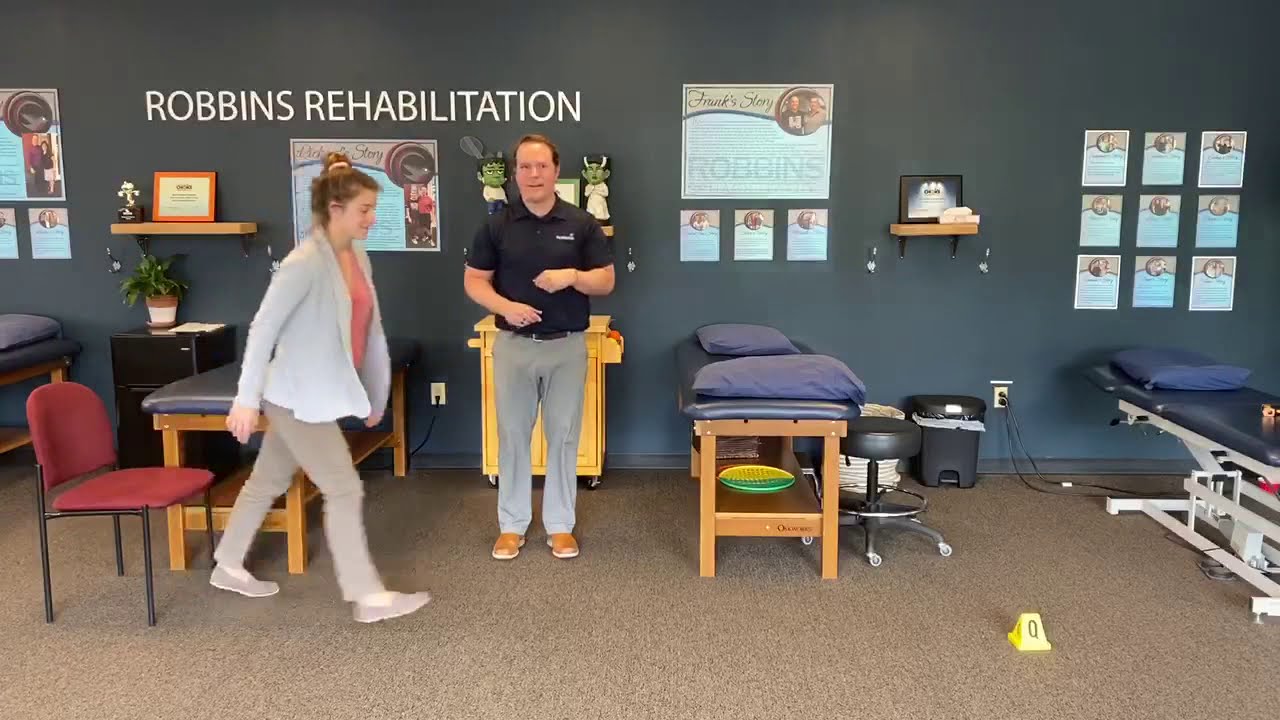
The Timed Up and Go Test can be used to monitor mobility and assess falling risk, according to Dr Punan Krishan, who previously spoke to woman&home about the exercise. She says the test is usually recommended to patients in later life, but it’s never too early to give it a try.
Here's how to do it:
- Sit down on a chair: Preferably a dining chair rather than your comfy living room armchair, says Dr Krishan.
- Get up and walk: Use a timer to see how long it takes you to go from sitting to walking three metres before turning and going back to your seated position, she says.
- Look at your time: Look at your stopwatch or phone. If you've managed to take the test in less than 12 seconds, you're probably at a lower risk of falls.
Examples of sensorimotor exercises
Sensorimotor exercises are simple and require minimal equipment, making them accessible for everyone. If you have any concerns about starting exercise, you should speak with a personal trainer or physiotherapist first.
- Heel-to-toe walk: Stand with your heels pressed into the wall, place your left foot in front of your right. Touching heel to toe, continue to walk, putting one foot in front of the other. Try it for 20 steps or more, if you can.
- Flamingo stand: From standing up, put your weight on one leg and lift the opposite knee. Hold this position for 10 to 15 seconds (or less if needed), and shake out your legs. Swap to the other leg. Do this three times on each leg.
- One leg stand with eyes closed: This is more challenging than the flamingo stand, but it can help improve stability and coordination. Try to stay upright for 10 seconds. You can use a wall or sturdy piece of furniture for support if needed.
- Rolling a ball with one foot: This exercise helps with balance, coordination and foot and leg strength. Stand on one leg and roll a Pilates ball under the other foot. Start with 10 seconds and work up from there. This exercise can be done sitting or standing.
