Latest

-
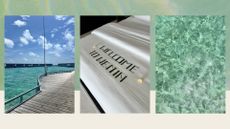 I ditched my shoes, became a morning person and even conquered a fear of sharks on this serene, reef-rich island
This Maldivian escape is all about thoughtful luxury, unique experiences and creating your own journey that’s both restorative and memorable
-
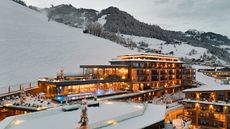 Review of Das Edelweiss Mountain Resort near Salzburg
Das Edelweiss Mountain Resort, near Salzburg, should be top of your must-visit list for a luxury ski holiday for all generations.
-
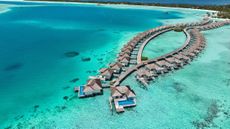 Kandima Maldives review: A spectacular slice of island luxury that sums up Maldivian magic
Kandima offers a slice of unforgettable luxury on a breathtaking Maldivian island - here's our guide to the 5* resort that takes holidaying to a new level
-
 The best things to do in Dubai if you're visiting for a winter break
Looking for some winter sun without spending your break just lying by the pool? Dubai has something for everyone in the cooler months
-
 Golden Experience review at Lapland UK Manchester
The Golden Experience at Lapland UK Manchester costs as much as a weekend in Finland – is it worth it?
-
 How a winter escape and a golf lesson in Spain helped me reconnect with my family – and with myself
 -
 I swear by this luxury luggage year-round - it's chic, stylish, and spacious
The Antler Icon Bag collection covers your weekend breaks away as well as quick overnight trips too. Chic, stylish, and spacious, they're the perfect present.
-
 Breathtaking scenery, local flavours and Welsh charm – discover the ultimate short break in Wales
Sponsored by Visit Wales
Welsh hospitality, stunning landscapes, vibrant cities and delicious local food and drink combine to create an unforgettable getaway in Wales
-
 Travelling with your grown-up kids is trending - a trip to Lego House in Denmark with my 20-year-old showed me why
Travelling with your parents is officially cool for young adults - welcome to the era of 'mums and moddlers'


