Physiotherapist recommends this simple Pilates exercise above all others to boost balance and coordination
Just adding this one exercise into your day can help you age healthily and reduce falling risk later in life


Pilates strengthens the muscles we need to improve balance as we age. It's one of the many benefits. While we may not want to think about getting older, it's never too late to start building muscle and bone mass to protect your future self.
While a full Pilates workout at home or in the studio would be ideal, if you just added one exercise to your daily routine, Helen O'Leary, physiotherapist and instructor at Complete Pilates, says it should be the scooter exercise with rotation.
Everyone wants to "live better for longer", she says. "Being able to do things like get off the floor, play with your grandkids and help look after them" becomes more important as we get older. This exercise can help.
How to do the scooter exercise with rotation
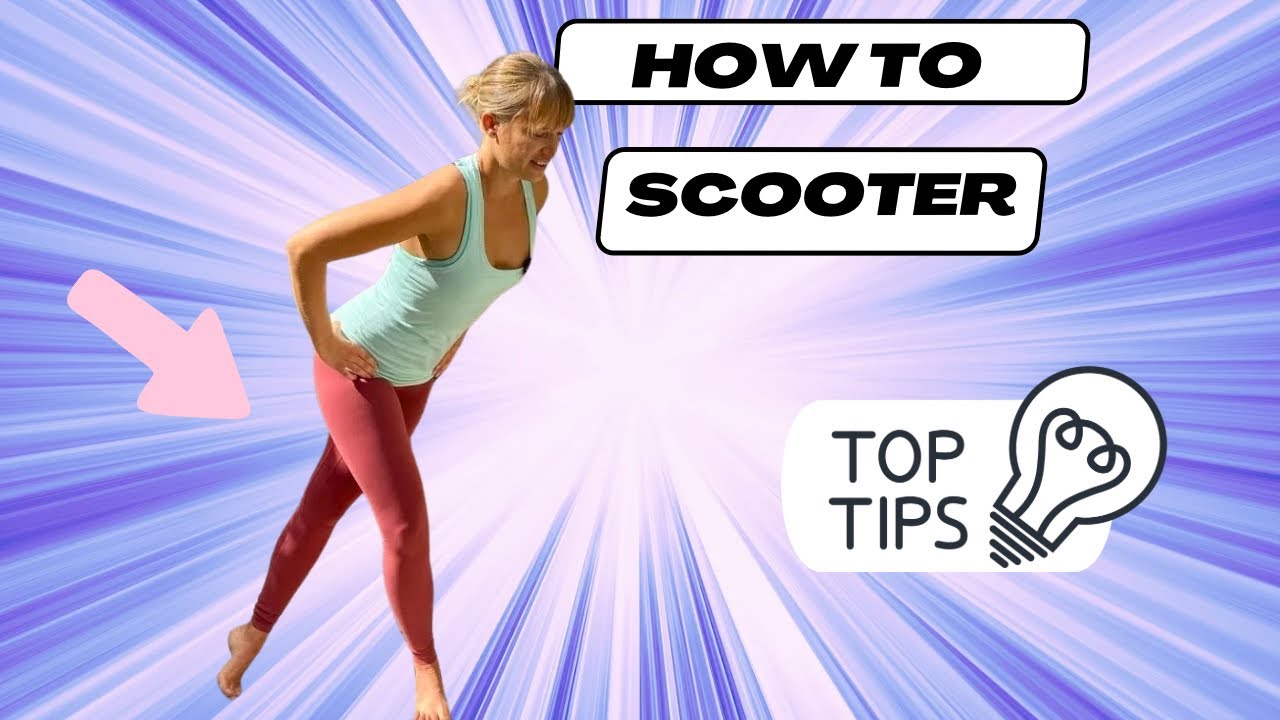
- Stand with feet hip width apart, bend your knees, and lean forwards from the hips - keeping your back straight.
- Slide one foot out behind you and at the same time twist your upper body towards the supporting leg.
- Keep your hips facing forwards as you twist.
- Hold the position for 2-3 seconds before bringing your shoulders back to face forwards again.
- Repeat 3 sets of 10-20 repetitions on each side.
Helen says you should focus on creating a “tripod” with your supporting foot by keeping your big toe, little toe and heel glued to the floor. By really pressing through your heel, you’ll “feel your glute firing up”, she adds. With the rotation, take your time and only move your upper body once you’re balanced and stable.
You could make this exercise harder by holding a light dumbbell in each hand or by using discs or core sliders to increase the pace and lengthen your legs. You could also slide your leg out to the side, incorporating your hip flexors and glutes in all directions.

With its basic 4mm thickness, this isn't a thick yoga mat, but it is grippy underfoot and offers good joint support in most Pilates workouts. Available in this calming forest green and with hand alignment markings.

A basic set of core sliders can help you turn your mat session into a reformer Pilates workout at home. Cheap and cheerful, you move on these discs from your hands and feet.
What are the benefits of the scooter exercise?
The scooter exercise is a functional move that challenges your single-leg balance while also working your glutes, hip flexors and core. Scooter is a traditional Reformer move, but you can do it on a mat or on the floor with sliders or discs. If your balance allows, you may also be able to keep your back foot off the ground while you do the scooter.
This is a fantastic move for runners or anyone who wants to build lower body strength. But as Helen says above, it’s also perfect for working your antigravity muscles to prevent falls.
Helen has added a rotation to boost intensity and add core work. Side-to-side and twisting moves are just as important as forward-and-back. They further improve functional strength, spine mobility, posture and coordination.
A stiff back can lead to various health problems, including neck and back pain, digestion issues, headaches and reduced ability to do daily activities such as walking, driving or bending. Rotation can help reduce back stiffness and improve flexibility.
Balance and coordination exercises are also incredibly important for cognitive function. This 2026 study in the Aging Clinical and Experimental Research journal examined how balance exercise affected brain functions such as memory formation, stress response, decision-making, focus, attention and mental health.
They found results suggesting that balance can help improve brain health generally, and specifically offset the loss of brain volume, surface area, and thickness that typically comes with age.
