A new study reveals the surprisingly small amount of exercise needed to lift your mood
A new study reveals that most people spend 82% of their day not moving, so it's the simple changes that make all the difference


We know that physical exercise is closely linked to how good we feel about ourselves mentally. If we’re feeling sad, stressed or overwhelmed, moving our body with strength training or a walking workout can make a huge difference to our mood and ability to cope with challenging times.
However, for many of us, life is becoming more sedentary. It means we’re not doing the recommended amount of exercise. Research by ASICS found that almost one in five UK adults (17%) do less than 30 minutes of exercise a week, a fifth of what the NHS suggests. Everyday habits, such as working and shopping from home, and communicating online instead of in person, could affect our long-term physical and mental health.
ASICS has created the Movement Conservation Status, which classifies people’s movement as Active (150+ minutes), At Risk (30 to 149 minutes) or Endangered (fewer than 30 minutes), similar to how we classify wildlife species. It predicts that by 2035 the proportion of UK adults with movement levels classified as At Risk or Endangered will reach 46%. This is equivalent to 27 million people in the UK.
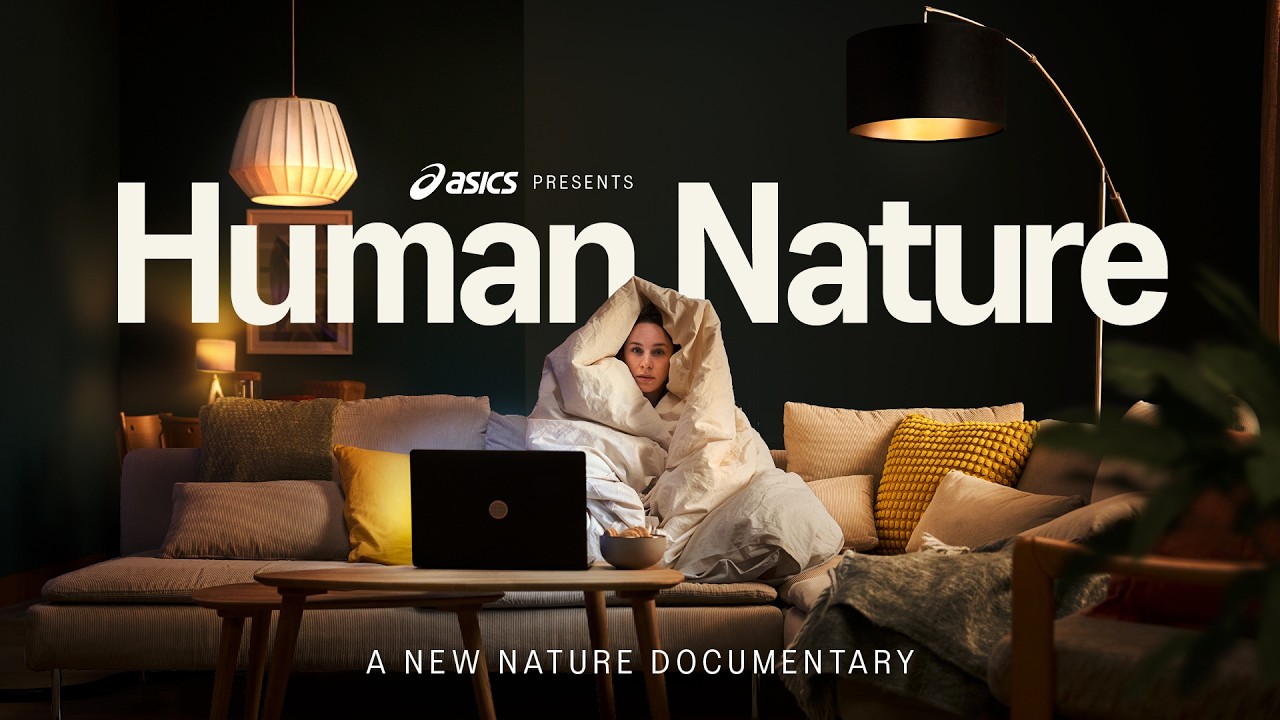
The research also found that people whose movement was classified as Endangered were more likely to feel less composed, less focused and more stressed than those who were more active.
While ‘active ageing’ is discussed more these days, there are still big disparities in how much people exercise in their 40s and beyond. The 2022 Health Survey for England found that 20% of women aged 45 to 54 were physically inactive, rising to 43% for women aged 75 and older. As physical activity falls, feelings of isolation, low mood and loss of independence rise.
David Raichlen, Professor of Biology and Anthropology at the University of Southern California, says: “We’ve built a world that makes movement optional. We can work, shop, socialise and be entertained without ever really moving and, while that’s convenient, our bodies and minds still depend on regular movement to stay healthy.” He says movement shouldn’t be seen as “an added extra” because it’s “fundamental to how we feel, think and function”.
The good news? 15 minutes of daily exercise makes a huge difference. A study produced by the brand last year found that participants who took a simple daily 15-minute movement break reported a 21% greater uplift in overall mental state - more so than a scheduled wellness holiday.
71% said daily exercise was more effective at reducing stress than their break, while 65% found it improved their mood more at home.
It could be a 15-minute Pilates workout, walk, run, bike ride, or 15-minute resistance band session. The most important thing is to move, not how you move.
You'll also see health benefits. Independent studies in The Lancet show that exercising for just 15 minutes every day can reduce all-cause early mortality by up to 18% and add three years to life expectancy. Switching your stroll for a run could also improve blood flow and increase neuroprotective compounds in the brain, potentially offering a 63% lower risk of dementia, according to another study released this year.
Tips for doing more exercise every day
- Try walking at home: It sounds silly, but if you don't have time to pull on your walking shoes and go outside, you can get your steps in at home. Try a 10-minute walking workout or pick up a walking pad.
- Pick up some weights: Wearing a weighted vest on a walk and during a quick bodyweight workout will add extra resistance, raising your heart rate.
- Take the long way home: If you normally take a bus or train to work, consider whether you can walk some of the way. Can you go up the stairs in your office instead of taking the lift? Simple adjustments make more difference than you might think.
- Use what you have: No time for strength workouts or walking? Try doing countertop press-ups while you wait for the kettle to boil or squats while you brush your teeth, dance in the kitchen, or enjoy some gardening.
