Want to stay strong as you get older? Try these PT-approved 3 plank variations to boost full-body strength and mobility
Adding plank variations into your workout can help build full-body stability, endurance, lower-body strength, and mobility


When creating a strength training programme, many personal trainers and fitness instructors have the plank in their sessions as a go-to core exercise. I'd do the same. It's a great full-body move that strengthens the core, improves posture, and builds stability.
However, it's a foundation exercise. Mark Harris, a level 4 PT and strength and conditioning coach, says: "It primarily focuses on the muscles through the centre of the body, particularly the rectus abdominis and the transverse abdominis. There are plenty of progression options available, including adding external weight while maintaining the same position."
Keep the classic plank exercise in your workouts, but try a few plank variations, as recommended by this expert personal trainer.
Copenhagen plank
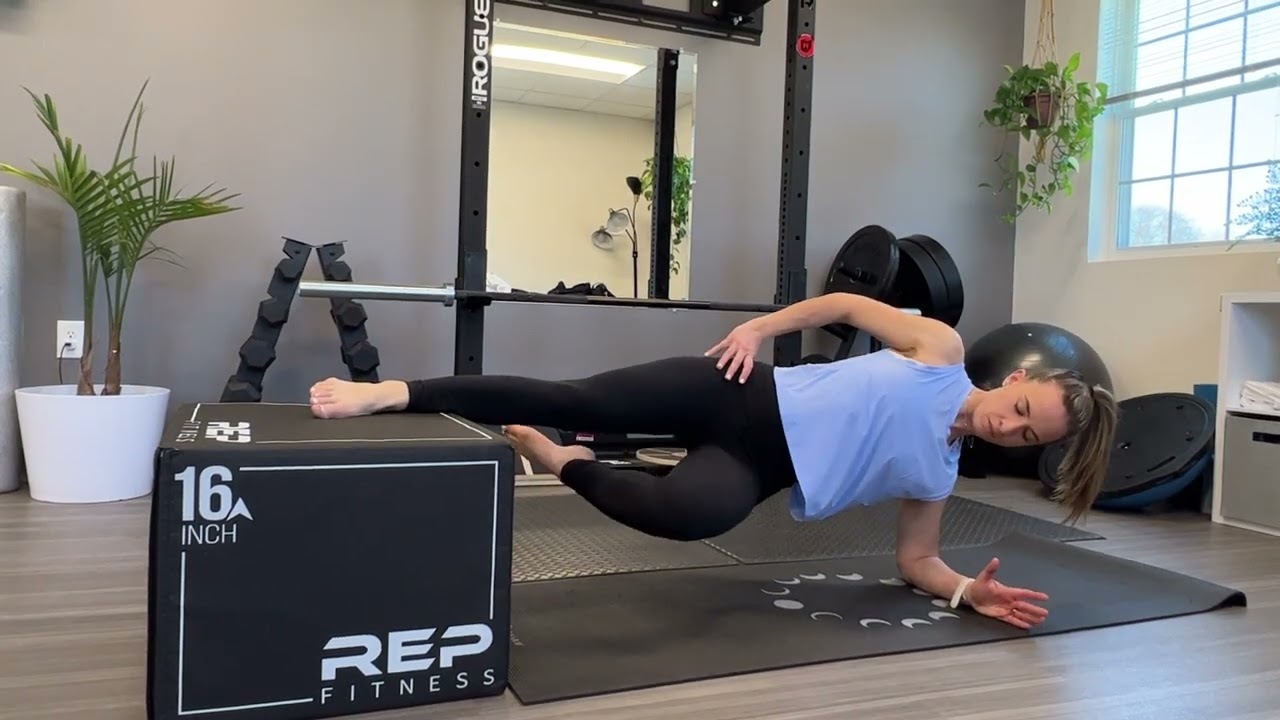
The Copenhagen plank moves the focus from the front of the body to the sides, similar to the side plank. "It's performed one side at a time, making it a unilateral exercise. This can help identify and reduce side-to-side imbalances," says Mark.
I switched to the Copenhagen plank about a year ago. I'm a runner, and as the months ticked by, I saw my balance and full-body stability grow. It translated as much into my treadmill workouts as my strength ones. I also felt the exercise more in my shoulders and arms than in a traditional plank, as you hold one side at a time.
Here's how to do it:
- Bring a weight bench or stool (if doing the exercise at home) near your feet.
- Come down into a plank, resting on your forearm, making sure your elbow is under your shoulder.
- Place the inside of your top foot onto the bench or stool.
- Engage your abs and squeeze your glutes.
- Drive your hips up to the ceiling.
- Your body should form a straight line from head to foot.
- Hold the position then switch sides.
Reverse plank
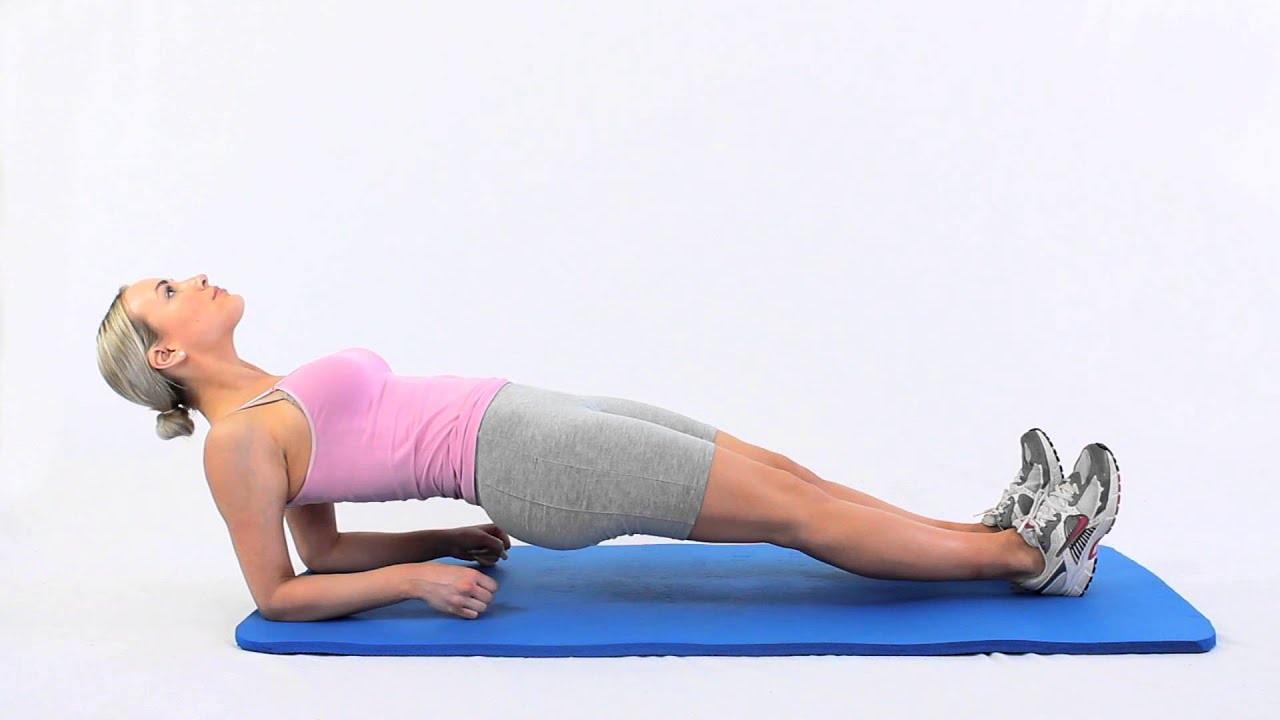
The reverse plank is one of the only plank variations that focuses on lower-body strength. PT Monty Simmons previously told woman&home that constant sitting weakens and tightens the muscles down the back of the body. Doing reverse planks can help prevent this.
"It trains the glutes (buttocks), hamstrings (back of thighs), lower back, and even the muscles around the shoulders. These are essential for everyday movement."
Here's how to do it:
- Lie down on the floor, propping yourself up on your elbows with your legs out in front of you.
- Engage your core, press into your palms and heels.
- Lift your hips up to create a straight line from your shoulders to your heels.
- Be sure to draw your shoulder blades together and keep your chest open.
- Hold this position.
Plank rows
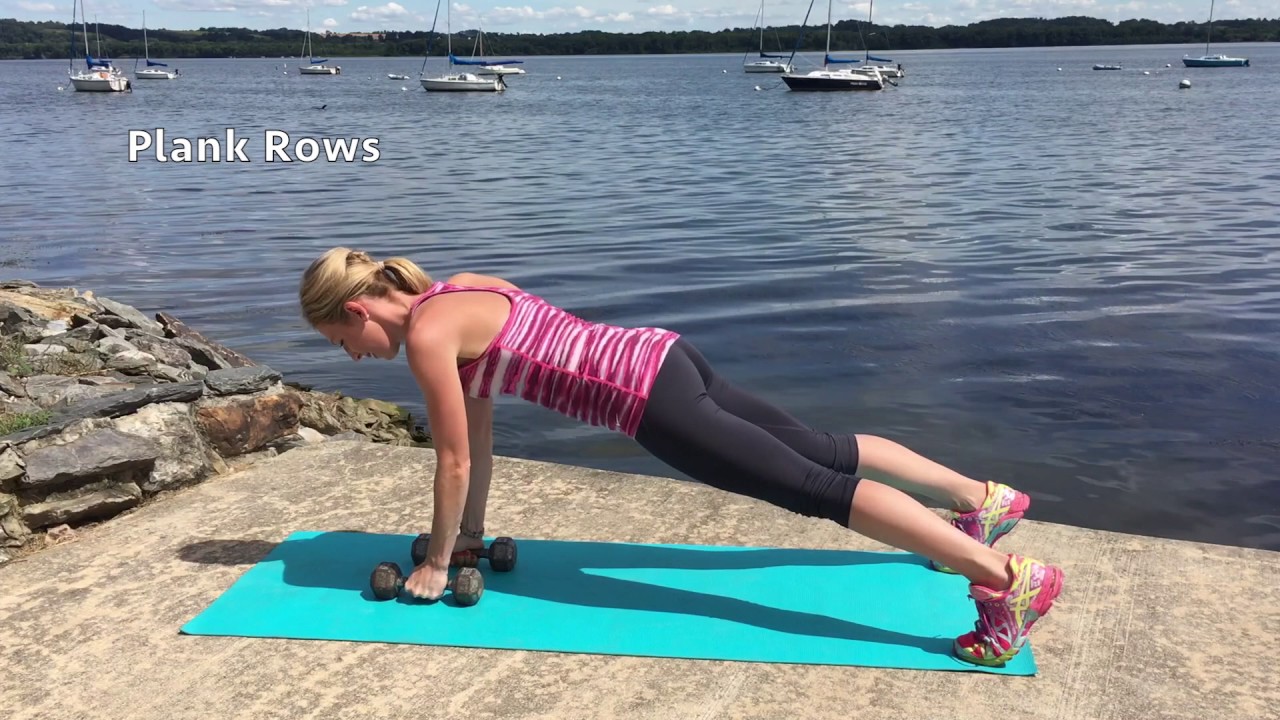
From the back of the body to the front - plank rows basically do the opposite. "This exercise combines upper-body strength with core stability," says Mark. "Alternating arm rows mean one arm performs the rowing movement while the other stabilises your body in an isometric hold. This challenges strength and stability at the same time."
It's also a great plank variation for those looking to target these muscles who are new to strength work.
Here's how to do it:
- Put two dumbbells (preferably hexagonal ones) on the floor.
- Come down into the high plank position, resting on your hands.
- Hold onto the dumbbells, making sure they are shoulder-width apart and directly under your shoulders.
- Move your weight onto your right arm and pick up a dumbbell with your left.
- Once stable, drive the left elbow up and back towards your hip, as if you're trying to put the dumbbell in your back pocket.
- Repeat the movement.

This set of HOMCOM dumbbells is hexagonal in shape, so they don't roll away. Each comes as a set as well, making them more affordable than many other weights.
