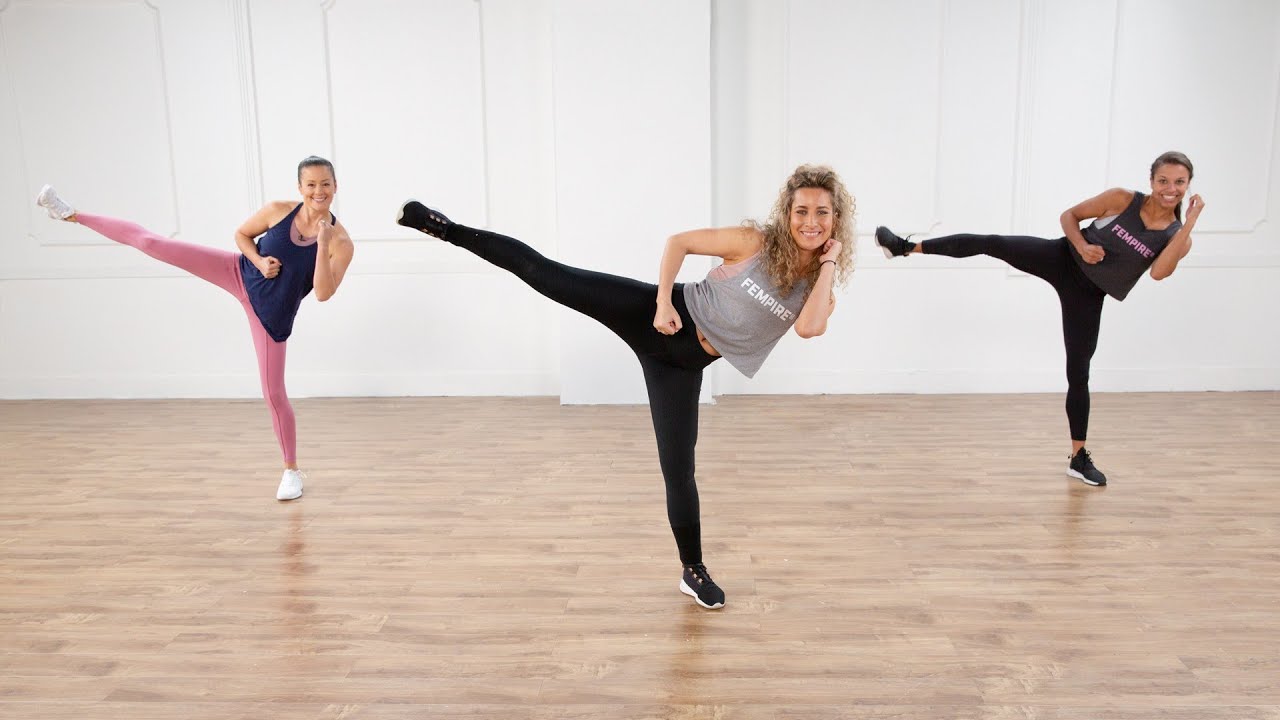
I tried this kickboxing workout at home - at age 55, it's the best full-body workout I've found
Combining strength work with cardio, kickboxing is a stress-relieving way to exercise at home


I'm known for being fairly placid, and not much rattles me. At least, this was true until menopause hit a few years ago. So, the idea of punching and kicking as exercise never appealed to me more than my yoga, Pilates and rowing workouts. My partner, however, loves boxing. He has a punching bag and (multiple!) pairs of gloves at home. Recently, he suggested I join him for a kickboxing class.
Reluctant as I was, I decided it couldn't hurt to try it out. I started running at 50 as a total beginner - how hard could this be? Well, it turned out the class wasn't for me, but I did enjoy the workout, and since all the equipment was sitting in my house anyway, I decided to try it again at home.
To get on the right track, I spoke to Kerry Fox, an instructor at Paul Roberts Modern Martial Arts in the High Peak, not far from where I live. She told me the sport is an "incredibly effective full-body workout, combining cardiovascular conditioning with repeated resistance training", so it's a great one to try.
My kickboxing workout
I start with a five-minute warm-up. This includes marching in place, lifting the knees as high as possible, star jumps, and heel digs.
My main workout follows the format from my class and lasts for 20 minutes. It consists of a jab with your lead hand, a straight punch, and a hook, repeated for two minutes, then switching sides. It’s important to move your feet while you’re doing this and not just stand in one place. Then punch the bag with alternating hands, as quickly as you can.
The next part is the kicks. Start with front kicks, which are all about getting the knee up high and kicking out with your toes pointed. I struggled with this because I have mild arthritis in the top of my feet, meaning any impact on that area is painful. But as long as I make sure my foot isn’t hitting the bag, I’m fine.
The last part of the workout is push kicks, my favourite part. This is basically driving the heel of your foot into the bag to push it away from you. You can really put some force into this - a benefit for the mind, as well as the body.
The workout ends with a five-minute cool down. This starts with stepping from side to side slowly, with a focus on deep breathing. Then hamstring and calf stretches. Finally, to finish, there are a few rounds of deep breathing, standing up tall and raising my arms above my head.

Some kickboxing workouts don't require any specialist equipment or clothing (see below), but I enjoy pulling on my gloves and working out with the bag at home.

Some boxing bags hang from the ceiling, like mine and this Amazon recommendation, while others are freestanding (like this one) so you don't need to fix them to a ceiling or wall mount.
Benefits of kickboxing as a workout
1. Helps build muscle and strength
It's fair to say that I felt every muscle in my body after my first kickboxing workout. Jabs, hooks, and crosses engage the shoulders, upper back, arms, and chest, while kicks work the glutes (buttocks), quadriceps (thighs), hamstrings (back of thighs), and calves.
I found I was moving more than I thought in my kickboxing workout as well. My core was working hard. As you bring your knees up high and twist, the abdominal muscles engage. Over 20 minutes, this is a serious core workout.
2. Relieves stress
Although I'm usually a pretty calm person, there's something very therapeutic about getting all your frustrations out on the punching bag. For me, it’s less about imagining someone you want to punch, and more about relieving pent-up stress through these power movements.
"Intense exercise releases endorphins and other mood-regulating chemicals,” says Kerry. “Training regularly can also help regulate cortisol (stress), and the concentration required to learn combinations disrupts rumination, so the benefits of kickboxing really go beyond the physical and into the psychological."
Though the class didn't work out for me, there are plenty around the country, and the added mental health benefits of being part of a community shouldn't be ignored. Try out your local one.
I also found a great sense of achievement in mastering this new skill and the various techniques needed to successfully take part in a kickboxing workout.
3. Boosts balance
I thought I was pretty good at standing on one leg, as I do this regularly in yoga, but shifting your weight to one leg while kicking forcefully with the other is a whole other matter.
Part of kickboxing training is getting faster while executing these single-leg movements. I found this really engaged my core, and after a few weeks, better balance became second nature.
"In kickboxing, the brain and body must work together continuously, so it develops balance, spatial awareness, coordination and reaction speed," says Kerry.
It also helps improve proprioception, says Samantha Charlwood, a sports therapist and British champion powerlifter. "This is the brain's ability to know where parts of the body are without looking at them. It's a key part of staying independent as we age, and since many kickboxing exercises focus on unilateral, one-sided movements, it helps with this."
4. May help with weight loss
I didn't take up kickboxing to lose weight, but it makes sense that a joint cardio and strength workout like this one burns a lot of calories. As you build muscle, your metabolic rate speeds up, which also helps burn more calories at rest.
If you were looking to lose weight, kickboxing could be a good workout to help you get there, alongside dietary changes.
"The strength training associated with kickboxing will bring out the look of holding more muscle, so it can be a great way to change the composition of the body," says Samantha. This is otherwise known as 'toning'.
5. It's a form of self defence
Hopefully, neither you nor I will need to defend ourselves, but this skill is an insurance policy. I saw teenage girls at the class I went to who were there for this very purpose.
But it’s not only about knowing the moves. “There are two parts to this,” says Samantha. “First, through the training you may develop skills that will help if you need to defend yourself. Second, and perhaps more importantly, knowing you can defend yourself gives you more confidence to go about in the world. That confidence may deter someone from targeting you in the first place, and it enables you to live a life without fear.”
For Kerry Fox, this confidence comes through training. “Learning to strike effectively, move with purpose and intention and respond under pressure builds confidence based on tangible evidence. Your progression physically and mentally can be felt but also measured as you improve.”
Kickboxing workouts to try at home
Learn the techniques
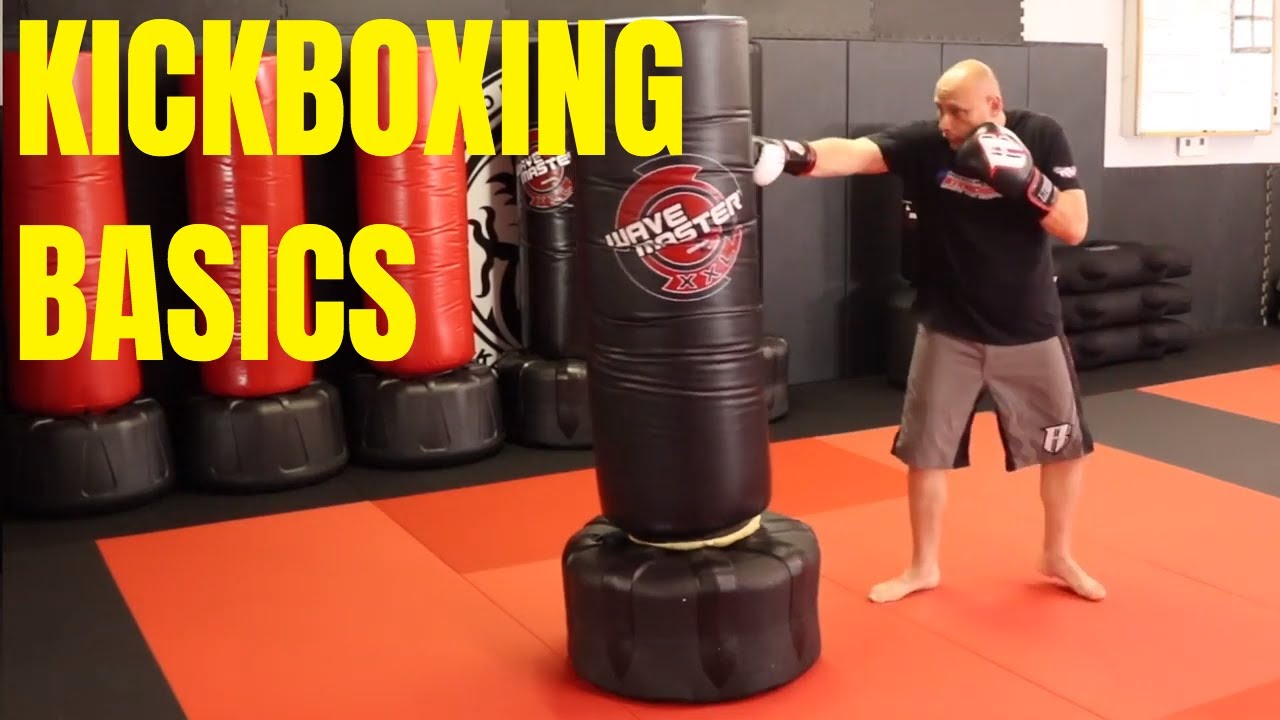
10-minute kickboxing
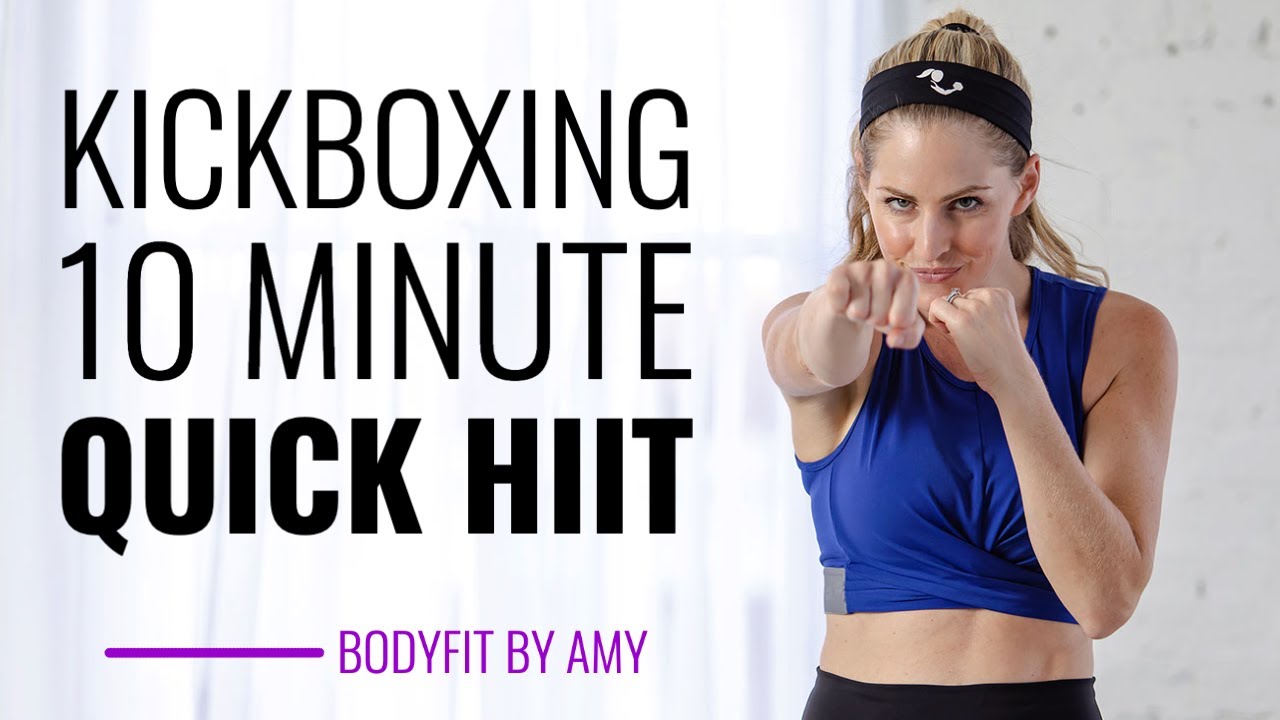
Cardio kickboxing for 30 minutes