Dr Amir Khan says strengthening this muscle is the 'best investment' for healthy ageing - and it's not the core
From lowering the risk of falls to improving metabolic health, the doctor wants us to focus on strengthening this large muscle group


Strong legs aren't just key for sporting activities - as we age, leg strength becomes even more important for staying mobile and independent. If our legs are weak, we’re going to struggle to climb the stairs, get in or out of a chair or a car, and become more susceptible to falls.
Our thighs are powered by our quads (front of thighs) and hamstrings (back of thighs) and strengthened with basic resistance training and specific quadriceps exercises. These are the muscles that NHS GP and woman&home's resident doctor Dr Amir Khan wants us to pay extra attention to.
“Forget the thigh gap, ladies. My new motto is ‘thicker thighs save lives’”, he says. “Strong, muscular thighs are one of the best investments you can make for your long-term health”.
As well as helping us out in a walking workout and to age healthily, these large muscles play an unexpected role in improving overall health, the doctor explains. “They act as a metabolic powerhouse, helping remove glucose from the bloodstream, improving insulin sensitivity and reducing the risk of Type 2 diabetes. They’re also linked with better cardiovascular health because people with more muscle mass tend to have lower rates of heart disease and live longer.”
Dr Khan says research, like this study in the British Medical Journal, has found that “people with a larger thigh circumference - provided it’s due to muscle rather than excess fat alone - have a lower risk of heart disease and premature death”.
The study’s authors write: “A small thigh circumference was associated with an increased risk of cardiovascular and coronary heart diseases and total mortality in both men and women. A threshold effect for thigh circumference was evident, with greatly increased risk of premature death below around 60cm.” They found that thighs bigger than 60 cm gave little extra benefit, but the thinner the thighs, the higher the risks.
Dr Khan says having strong thighs may also protect against cognitive decline and dementia. “Muscle also releases beneficial chemicals during exercise called myokines, which reduce inflammation and support the brain.”
Strong thighs can indicate an active and healthy lifestyle, which we also know can prevent memory decline and improve mental wellbeing.
“Strong thighs are your insurance policy against falls and fractures, helping you stay active," he says.
Exercises for strong thighs
“Aim for thighs that can carry you up hills, lift shopping and climb stairs,” says Dr Khan. “Squats, lunges, cycling, brisk walking and resistance training are all fantastic ways to build this precious muscle. Your future heart, brain and bones will thank you.”
Here are a couple of exercises you can do from home to work on your upper leg strength:
1. Goblet squat
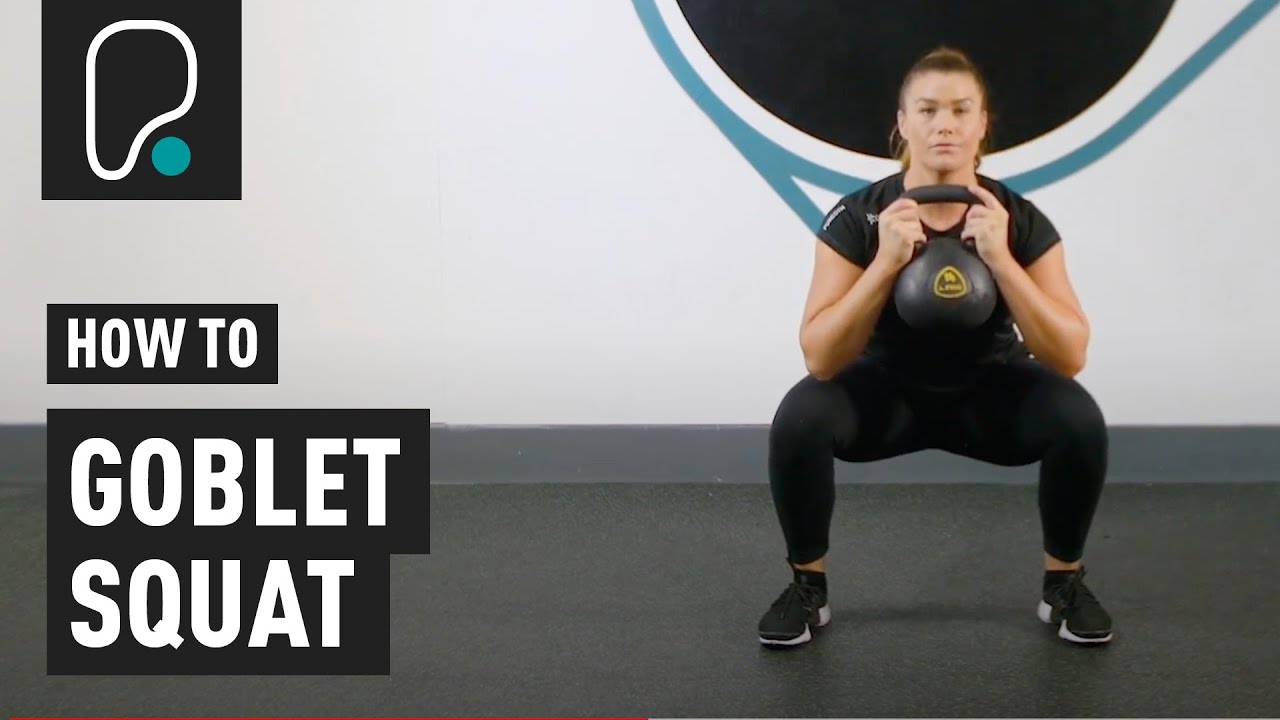
The goblet squat is “one of the best exercises for targeting your thighs," PT and strength training specialist Anya Russell says. “It also improves the strength in the hamstrings, glutes and core, making it a compound movement that's great for overall lower-body strength,” she says.
Here's how to do it:
- Stand with your feet shoulder-width apart, turning your toes slightly out to the side. Grab a dumbbell and hold it to your chest if you want to add weight.
- Keep your elbows tucked in tightly, pinning the weight to your chest.
- Brace your core, keep your spine straight, and eyes facing forward. With control, lower down into a squat. Let the weight come down between your knees.
- Push up through your feet to return to standing.
- Repeat the movement for 5 - 8 repetitions.

Looking for a set of the best dumbbells? These are our favourite pair. The material is durable, the weight is comfortable to hold, and the shape means they don't roll away when you put them on the floor.

Lifting weights at home doesn't have to be expensive. This cast iron weight is one of the best kettlebells and costs under £30 for 10kg, which is more than enough resistance for a beginner.
2. Walking lunges

Lunges, and all of their variations, are an excellent way of improving thigh strength. Walking lunges also test your balance and stability as you step on one leg at a time.
You can add dumbbells or kettlebells to make this exercise harder and give your upper body a workout too.
Here's how to do it:
- Stand with your feet shoulder-width apart, dumbbells or kettlebells in each hand if you want to add weight.
- Step forward, lower your back knee until it's a couple of inches from the ground, bending your front knee so your thigh is parallel to the ground.
- Push off your front foot and take another step forward.
- Make sure your shoulder blades are pulled back and down to keep the weights from swinging.
- Repeat the movement, switching between legs at least 5 times on each side.
3. Lateral squats

As important as it is to perfect the back-and-forth movements, it's also essential to move confidently from side to side. "Whether you're trail running or simply sidestepping a pedestrian, think of the last time you rolled your ankle and strengthen your lower body in multiple planes of motion," PT Lotti Sorrell, a lead coach at House of Fitness, previously told us.
Here's how to do it:
- Stand shoulder-width apart with your weight clasped securely to your chest.
- Take a step out to the side and as you do so, drop your hips back into a squat.
- Push off your outside leg to return to standing.
- Repeat on both legs at least 5 times.
If a full lateral squat is beyond your strength and mobility level, try a banded crab walk first. These only require you to do a basic squat and step to the side with a resistance band around your legs, rather than putting your full body weight on one leg.
Most people should start doing these exercises as part of a bodyweight workout. However, if you've been building strength for a while in this way, it's worth adding a set of dumbbells or a kettlebell to your strength training routine.
To build strength, your weight should feel challenging, but still usable. You'll know you've chosen the right one if you can complete three repetitions out of the five before it gets really hard.
This article originally appeared in woman&home's October print edition. Subscribe here.
