Latest

-
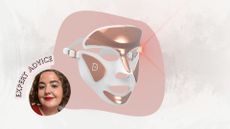 Trust me: these are the 6 things you should know about LED masks, as a beauty editor who uses one every day
Thinking about buying an LED mask? Read this first
-
 Don't overthink your summer pedicure - Jennifer Aniston proves this chic, pared-back colour is like the LBD in your wardrobe
From your favourite sandals to a pair of black kitten heels, this simple but elevated pedicure colour will complement them all.
-
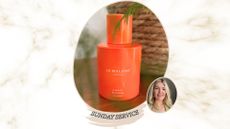 If you try one beauty product this week, make it this surprising carrot perfume that's straight out of the allotment
You think it's all been done before in fragrance, then along comes Jo Malone London Veggies....
-
 We never agree on perfume - but this niche scent is coming on holiday with every member of the beauty team this year
'It smells like summer skin, beaches and suntan lotion', according to our Beauty Director
-
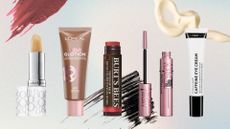 We've played detective - these are 10 drugstore beauty buys celebrities actually use, and aren't paid for
Fill your basket with celeb-approved buys that genuinely live in their beauty bags and bathrooms.
-
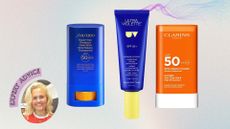 Struggling to pick a sunscreen? Caroline Hirons just shared her 3 favourite SPFs, for holidays and at home
'I'm a creature of habit,' says the skincare guru on her long-time go-to formulas
-
 Do you have midlife skincare overwhelm? So did I - here's how I cut through the noise to build a simpler, smarter routine
After three decades in the industry, even our contributing beauty editor was confused - but these are the fundamental need-to-knows
-
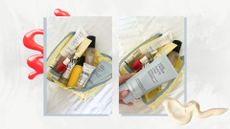 Everyone's talking about the M&S Summer Beauty Bag, so I got it for myself – and now I get what all the fuss is about
If you make one pay day purchase, let it be this limited-edition beauty bag
-
 Sparse eyebrows? Here's what to do - and not do - to make them appear fuller and more youthful, according to an expert
'It’s about adding softness, gentle structure and lift,'


