Latest

-
 Stanley Tucci's 5 ingredient 'no effort brunch' is light, delicious and so quick to make
Bored of underwhelming lunches? Stanley’s got just the recipe for something easy to make and full of flavour
-
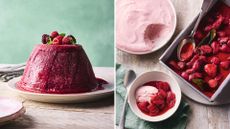 Low-fat berry desserts that feel indulgent - but are gut-friendly and refined sugar-free
These berry-based desserts are low fat and free from refined sugar
-
 Forget fancy bowls – Clodagh McKenna has a delightful way to serve dessert
Clodagh’s inspired tip is a clever, kitsch way to elevate any hosting occasion - and all you need is some lemons
-
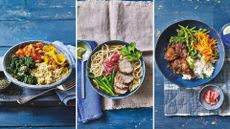 Recipes to help you look and feel good: 5 glow-up dinners full of veg, vitamins, and antioxidants
These easy dinner recipes are packed with ingredients made to help you both look and feel great
-
 Ruth Langsford’s ‘fabulous little gadget’ makes avocado prep a mess-free cinch – and it’s under £10
Ruth hailed it as ‘one of those handy little kitchen bits I reach for quite a lot’
-
 It's not too late! 3 delicious Easter treats to make this weekend - from a hot cross bun cake to a simnel trifle
Make Easter eggs-tra special with these easy recipes that have a serious wow factor
-
 Jane McDonald reveals secret recipe for the 'best Yorkshire puds' she's ever tasted
Level up your next Sunday roast with this simple recipe for 'huge' Yorkshire puddings
-
 Show-stopping Easter treats our food team swear by - from chocolate roulade to a rum-and-raisin tiramisu
These beautiful bakes and delicious desserts prove there’s more to Easter treats than just chocolate eggs
-
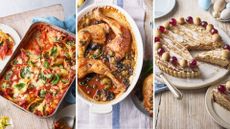 I'm getting ready for Easter with make-ahead crowd pleasers - including chicken Marbella and a Simnel Bakewell tart
From chicken Marbella to nduja baked pasta shells and a showstopping simnel bakewell tart, these simple prep-ahead recipes make cooking for the family a breeze


